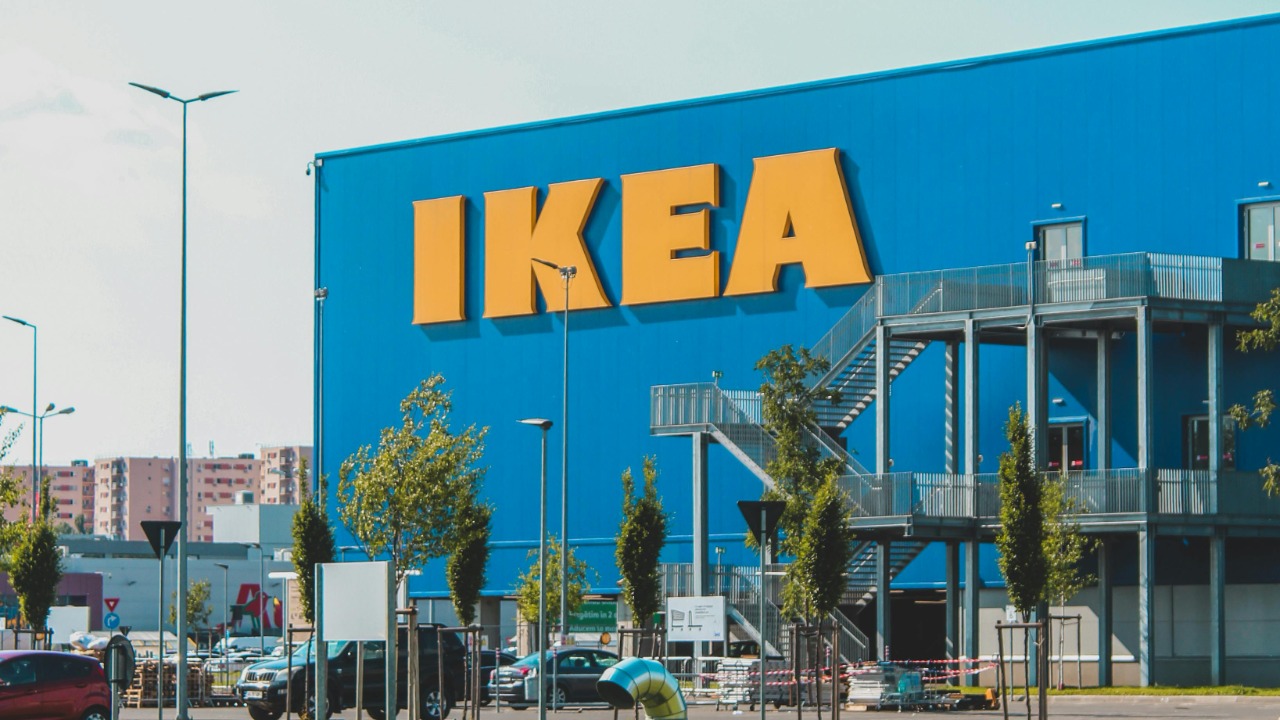
Ikea is carrying out one of its biggest U.S. overhauls in years, shutting some stores while pouring fresh money into new formats and regions. The shakeup signals a decisive move away from relying solely on sprawling suburban warehouses and toward a mix of smaller locations, e-commerce, and services aimed at shoppers who expect speed and flexibility.
The centerpiece of the change is the decision to close the Memphis store, along with other underperforming sites, even as the company follows through on a $2.2 billion expansion plan in the United States. It is a picture of a retailer trying to reconcile its flat-pack heritage with a market where customers want the same low prices and meatballs, but on very different terms.
The Memphis closure and what it signals
The most visible symbol of Ikea’s reset is the decision to shut its Memphis location, the company’s only store in Tennessee. Local coverage describes how IKEA came to with “big hopes and dreams” roughly a decade ago, only to announce that the Cordova site will close in May as part of a broader U.S. rethink. That store, positioned off a major interstate and surrounded by parking, was built for a car-centric era, and its fate captures how the old formula no longer guarantees success.
Residents and officials in the area are already reacting to the news that Cordova will lose such a high-profile anchor, raising concerns about what the shutdown means for jobs, nearby retailers, and the broader Mid-South economy. For Ikea, the Memphis exit is being framed not as a retreat from the United States but as a course correction, channeling resources away from a single large box into formats that better match how people now browse, buy, and receive furniture.
A strategic shift backed by $2.2 billion
Behind the closures sits a clear financial playbook. Ikea has tied its U.S. strategy to a $2.2 billion investment program that stretches over several years, aimed at expanding brand presence and making it easier for customers to access its range. That figure is not just a headline number; it reflects a commitment to remodel existing stores, open new types of locations, and upgrade logistics so that online orders and home delivery become as central to the business as weekend showroom visits.
Company statements around the Memphis decision stress that, as the retail environment changes, As the company sees it, customer expectations now revolve around convenience, speed, and digital tools as much as low prices. Earlier commentary on the U.S. expansion described the same $2.2 billion as Ikea’s largest-ever investment in the country, with plans for more services like design consultations and improved ordering options, which helps explain why the company is comfortable closing some doors while opening others.
From big-box temples to a mixed U.S. footprint
The shakeup is not just about shutting a few sites; it is about rebalancing Ikea’s entire U.S. footprint. The company has already outlined plans to open 17 new American locations as part of its expansion, a mix that includes traditional stores and smaller formats, according to reporting on New IKEA projects. These new spaces are designed to bring the brand closer to dense urban neighborhoods and to function as both showrooms and fulfillment hubs, rather than just day-trip destinations on the outskirts of town.
Further details on where Ikea is heading next show that the retailer is adding locations across several states in 2025 and 2026, pairing full-scale stores with planning studios and pickup points so customers can match “Furniture and meatballs” to their preferred way of shopping. The strategy reflects how the Swedish giant, referred to explicitly as Swedish furniture retailer IKEA in that coverage, is trying to stay visible in more communities while relying less on a handful of huge blue boxes.
Digital bets and changing customer behavior
Store closures and openings are only part of the story; the rest is happening on screens. Ikea has been investing heavily in digital tools that let shoppers plan rooms, visualize products at home, and order without setting foot in a warehouse. One analysis of upcoming changes notes that IKEA is also in a big way, layering online design help and app-based services on top of its physical network so customers can move from inspiration to checkout in a single digital flow.
The company’s own messaging around the Memphis exit emphasizes that, as customers needs change, IKEA continues to to reflect how and where people want to meet the brand. In practice, that means reallocating floor space to services like order pickup and delivery, using stores as last-mile nodes for online purchases, and treating digital platforms as a primary storefront rather than an add-on. The more Ikea leans into these habits, the easier it becomes to justify closing a large-format store that no longer pulls its weight.
Economic pressures from tariffs to incentives
Behind the strategic talk sits a harder financial reality, shaped by trade policy, incentives, and operating costs. When U.S. tariffs on furniture from some countries increased, Ikea responded by raising prices, with Tolga Öncü, retail manager at Ingka, explaining that the group, which operates most Ikea stores worldwide, had to pass part of the cost increase to customers. That kind of margin pressure makes underperforming locations even harder to justify, especially if they require significant upkeep or remodeling to meet new standards.
Local incentive deals also shape which stores survive. Reporting on the Memphis project describes how Four years later after opening, Ikea handed back a portion of the cash support it had received because it did not hit every jobs-related benchmark that had been set. That history helps explain why local leaders are scrutinizing the closure and why Ikea is being careful to frame its moves as part of a long-term U.S. commitment rather than a short-term pullback.
How the new U.S. Ikea will feel for shoppers
For customers, the shakeup will be felt in both inconveniences and new perks. Shoppers in Tennessee who once drove to Cordova for a full-day outing will soon have to travel farther, rely on delivery, or wait to see if a smaller format appears closer to home. At the same time, people in other regions are gaining access to new stores, planning studios, and pickup points, including locations highlighted in store listings that show how the network is shifting.
The experience inside those stores is also changing. Some of the newest sites, such as those referenced in location profiles and new openings, lean more heavily on curated room sets, integrated click-and-collect areas, and staff who focus on design advice rather than just stocking shelves. As Ikea continues to roll out its U.S. overhaul, the typical visit is likely to feel less like wandering a maze for hours and more like a targeted trip supported by apps, online planning tools, and a wider choice of how and where orders are fulfilled.
More From The Daily Overview
*This article was researched with the help of AI, with human editors creating the final content.

Grant Mercer covers market dynamics, business trends, and the economic forces driving growth across industries. His analysis connects macro movements with real-world implications for investors, entrepreneurs, and professionals. Through his work at The Daily Overview, Grant helps readers understand how markets function and where opportunities may emerge.