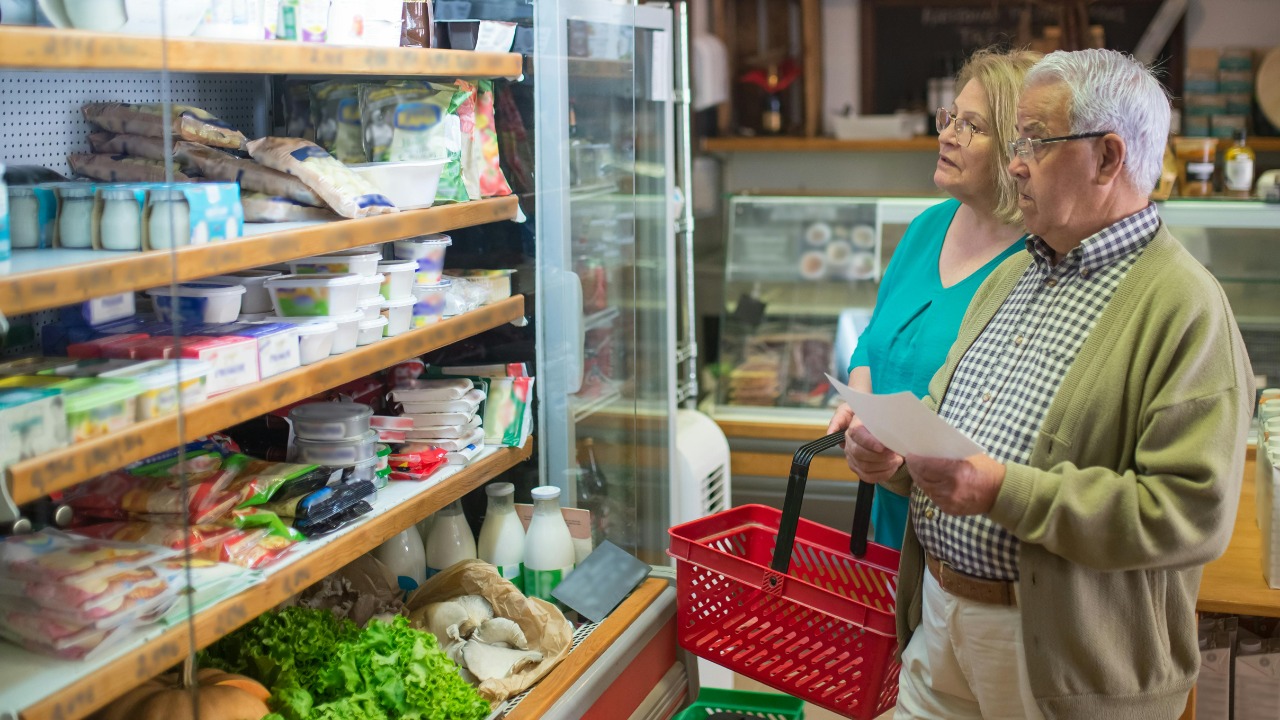
The January 2026 Consumer Price Index showed grocery prices still climbing, with categories like cereals and bakery products, meat, poultry, fish and eggs, dairy, and fruits and vegetables all posting increases. But buried in the same federal data is a quieter story. A handful of pantry staples have barely moved in price, and some have actually gotten cheaper. For shoppers willing to build meals around grains, legumes, and root vegetables, the math still works in their favor.
What the January CPI Tells Us About Food Costs
The Bureau of Labor Statistics published its January 2026 update on consumer prices on February 13, 2026, and the numbers paint a split picture. In that release, the agency reported 12‑month percent changes for overall food along with month‑to‑month shifts for food at home, breaking grocery inflation into subcategories such as cereals and bakery, rice and pasta, and meats. While many of those categories rose, the increases were uneven. Cereals and bakery products, for instance, had a price point of $2.05 in January 2025, and the year‑over‑year gain in that aisle has been modest relative to proteins and eggs, which continue to drive much of the sticker shock in supermarket meat cases.
The distinction matters because not all grocery aisles are inflating at the same rate, and the official consumer price index for food underscores that divergence month after month. Meat and egg prices have been the primary culprits behind higher food bills, while shelf‑stable grains and certain produce items have held closer to their 2024 levels. The U.S. Department of Agriculture’s food price outlook, which uses CPI data to project grocery inflation for 2026, anticipates that overall supermarket prices will cool this year, though some staples will remain stubbornly high. That cooling trend is real but selective, which is why knowing which items resist price pressure can trim a weekly grocery bill by meaningful amounts even when the headline inflation rate still feels elevated at the checkout lane.
Potatoes, Cabbage, and the Root Vegetable Advantage
Potatoes top the list of inflation‑resistant staples for a simple reason: they are cheap to grow, easy to store, and available year-round from domestic farms. According to recent USDA data highlighted in consumer reporting, potatoes remain under a dollar a pound, making them one of the most cost‑effective sources of calories and potassium on any shelf. Their versatility, from baked to mashed to roasted, also means they can anchor meals across breakfast, lunch, and dinner without recipe fatigue. Because potatoes are a hardy crop that can be stored for months, producers and retailers are less exposed to the rapid cost swings that hit more perishable foods.
Cabbage shares many of the same economic traits that keep potatoes affordable. It grows quickly, ships well, and can sit in a refrigerator for weeks without significant quality loss, stretching each head across multiple meals. Budget‑focused food advocates have noted that cabbage is enjoying renewed popularity among shoppers trying to keep food costs down, in part because it can stand in for more expensive greens in salads, stir‑fries, and soups. Unlike delicate lettuces that wilt within days, cabbage’s long shelf life reduces food waste and effectively lowers the per‑serving cost even further. Both potatoes and cabbage benefit from relatively stable domestic supply chains, which insulate them from the import disruptions and feed‑cost pressures that have pushed meat and dairy prices higher over the past two years.
Grains That Resist Price Pressure
Rice, oats, and pasta form the backbone of any inflation‑proof pantry. In the CPI, rice, pasta, and cornmeal are tracked as a distinct subcategory, and these items have consistently posted some of the smallest year‑over‑year increases in the food‑at‑home index compared with animal proteins. The reason is partly structural: grains are harvested in enormous volumes, store almost indefinitely when kept dry, and can be shipped efficiently. This spreads transportation costs over many servings. USDA farm‑sector income forecasts that discuss wheat and rice receipts alongside corn show relatively stable commodity conditions, and when prices are calmer at the farm gate, they tend to be calmer at the supermarket shelf as well.
For shoppers, the practical takeaway is straightforward. A five‑pound bag of long‑grain rice typically costs less than a single pound of chicken breast yet delivers dozens of servings that can be turned into stir‑fries, soups, and casseroles. Rolled oats, another staple detailed in USDA nutrition composition datasets, offer a similar cost‑per‑meal ratio; a canister of store‑brand oats can supply two weeks of breakfasts for a family of four with minimal prep. Bread, which the BLS tracks separately within its cereals and bakery grouping, has also remained relatively affordable compared with the sharper jumps in protein and dairy categories. Building a weekly meal plan around these grains and supplementing with cheaper vegetables creates a buffer against the aisles where inflation hits hardest, without sacrificing satiety or nutrition.
Beans, Legumes, and Budget Protein
Dry beans and lentils are the most overlooked protein source in the American grocery aisle. Pound for pound, they deliver comparable protein to ground beef at a fraction of the price, and they store for years without refrigeration when kept in airtight containers. Bulk purchasing amplifies the savings: large bags of dried beans at warehouse clubs often cost well under a dollar per pound, and that translates to pennies per serving once cooked. That kind of unit economics is difficult to match with any animal protein in early 2026, especially as the CPI category for meat, poultry, fish, and eggs continues to post some of the strongest price gains in the entire food index.
The nutritional density of legumes also reduces the need for expensive supplements or side dishes. A cup of cooked black beans provides fiber, iron, folate, and complex carbohydrates alongside its protein content, making it a complete base for stews, tacos, and grain bowls. For households trying to maintain balanced diets without increasing spending, swapping two or three meat‑based dinners per week for bean‑based meals can cut a grocery bill noticeably while still delivering filling portions. Canned versions offer convenience for time‑pressed cooks, with shelf‑stable options like 15‑ounce cans of beans or mixed vegetables widely available for well under two dollars. Because beans can be seasoned in countless ways (from chili to curries), they also help avoid the menu fatigue that can come with repetitive budget cooking.
Milk Prices Hold Steady Under Federal Pricing Rules
Whole milk has been one of the more stable items in the dairy case, and the reason goes beyond simple supply and demand. Federal milk marketing orders set minimum prices that processors must pay dairy farmers based on how milk is used, creating a pricing floor that also acts as a ceiling on volatility. The USDA’s Agricultural Marketing Service compiles retail surveys that show what shoppers actually pay for a gallon of milk in different cities, and those figures tend to move more gradually than the prices for cheese and butter, which are more exposed to swings in processing and export demand. In practice, that means a staple many families buy weekly has been less affected by the recent run‑up in grocery costs than items like yogurt snacks or specialty cheeses.
The BLS also maintains an average price series for common items, including whole milk, which is accessible through an economic data portal that publishes monthly gallon prices. That series, combined with BLS explanatory fact sheets on how average prices are constructed, highlights an important distinction between price levels and price changes that shoppers should understand. A gallon of whole milk that costs the same as it did a year ago is genuinely inflation‑proof in a way that a product rising at 3 percent annually is not, even if both seem “cheap” in absolute terms. For families with children, milk remains one of the few nutrient‑dense beverages that has not seen the sharp increases affecting nonalcoholic drinks more broadly, making it a relatively safe bet when trying to predict next month’s grocery budget.
Frozen Vegetables as a Shelf-Stable Hedge
Fresh produce spoils, but frozen vegetables lock in both nutrition and price stability. Mixed vegetable blends, typically containing carrots, peas, corn, green beans, and sometimes potatoes or lima beans, are flash‑frozen at harvest and can sit in a freezer for months without degrading in quality. Consumer price reporting has emphasized that these frozen bags are a quiet workhorse crop that resists inflation, in part because long shelf life allows producers and retailers to smooth out temporary spikes in transportation or energy costs. For shoppers, that means fewer rushed trips to the store and less money lost to wilted or moldy produce at the back of the crisper drawer.
From a budgeting standpoint, frozen vegetables also make portion control easier. Instead of committing to an entire head of broccoli or a large bundle of fresh green beans, households can pour out exactly what they need from a frozen bag and return the rest to the freezer. That flexibility is especially valuable for smaller households and those with unpredictable schedules, who might otherwise struggle to use up fresh produce before it spoils. Because frozen vegetables are often priced competitively with, or even below, their fresh counterparts on a per‑cup basis, they function as a hedge against both inflation and food waste, helping shoppers stretch each dollar of their food budget further.
How Shoppers Can Use Inflation Data to Their Advantage
Understanding which foods resist inflation starts with knowing how official statistics are compiled. The BLS publishes a monthly consumer price index release that breaks down changes in the cost of living by category, including detailed tables for food at home. Within those tables, line items for cereals, bakery products, meats, dairy, and produce show where prices are accelerating and where they are flat or even declining. When paired with USDA projections that certain categories (especially some animal proteins) will remain elevated even as overall food inflation cools, the data give consumers a roadmap for where to shift their spending. In simple terms, the numbers back up what many shoppers already suspect from experience: the center aisles of the supermarket, stocked with grains and legumes, are a safer bet than the meat counter when paychecks are tight.
Turning that information into action does not require advanced economics. A practical approach is to build a weekly meal plan around the categories that have shown the slowest price growth (potatoes and cabbage for bulk, rice and oats for starch, beans and lentils for protein, milk for dairy, and frozen vegetables for vitamins and fiber), while treating higher‑inflation items like fresh beef or specialty cheeses as occasional accents rather than nightly staples. Checking grocery circulars against the latest federal data can help confirm whether a sale is truly a bargain or just a modest discount on an already inflated product. Over time, these small adjustments compound, allowing households to maintain variety and nutrition in their diets even as the broader CPI headlines continue to warn about elevated food costs.
More From The Daily Overview
*This article was researched with the help of AI, with human editors creating the final content.

Cole Whitaker focuses on the fundamentals of money management, helping readers make smarter decisions around income, spending, saving, and long-term financial stability. His writing emphasizes clarity, discipline, and practical systems that work in real life. At The Daily Overview, Cole breaks down personal finance topics into straightforward guidance readers can apply immediately.