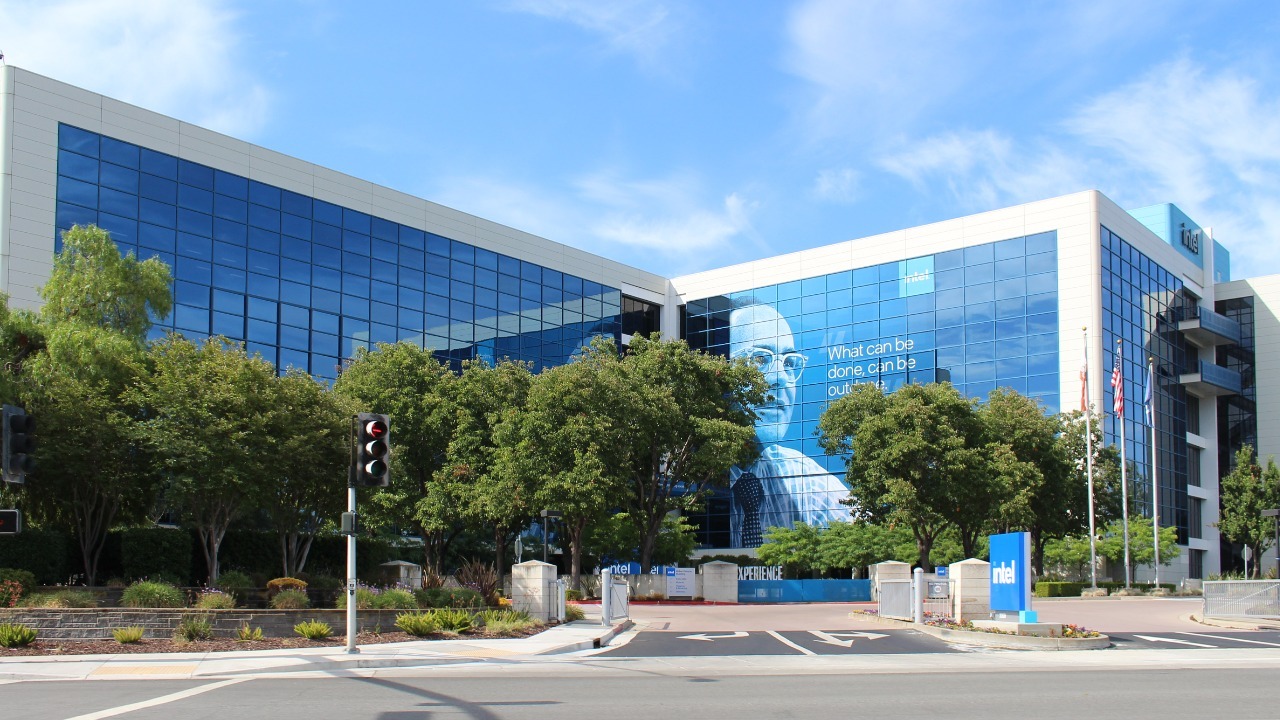
Intel’s stock has experienced a remarkable surge in recent trading sessions, leading Bank of America (BofA) analysts to caution that the shares have risen “too far, too fast.” This rapid ascent raises concerns about a potential pullback, especially given the persistent challenges within the semiconductor sector. BofA’s warning highlights the risks of overvaluation amid Intel’s ongoing struggles with manufacturing delays and competitive pressures.
BofA’s Warning on Intel’s Valuation

Bank of America has expressed concerns that Intel’s recent stock performance has outpaced its fundamental value. The analysts point to specific issues such as manufacturing delays and competitive pressures that could hinder Intel’s growth. These concerns have led BofA to downgrade Intel’s stock rating, suggesting that the current valuation may not be sustainable. The analysts have set a lower price target, reflecting their view that the stock is overvalued given the company’s current challenges.
In contrast to BofA’s cautious stance, the broader analyst consensus on Intel’s fair value presents a more varied picture. While some analysts align with BofA’s concerns about overvaluation, others see potential in Intel’s strategic initiatives and technological advancements. This discrepancy highlights the uncertainty surrounding Intel’s future earnings projections and the differing opinions on how the company will navigate its competitive landscape.
Intel’s Recent Stock Surge Drivers
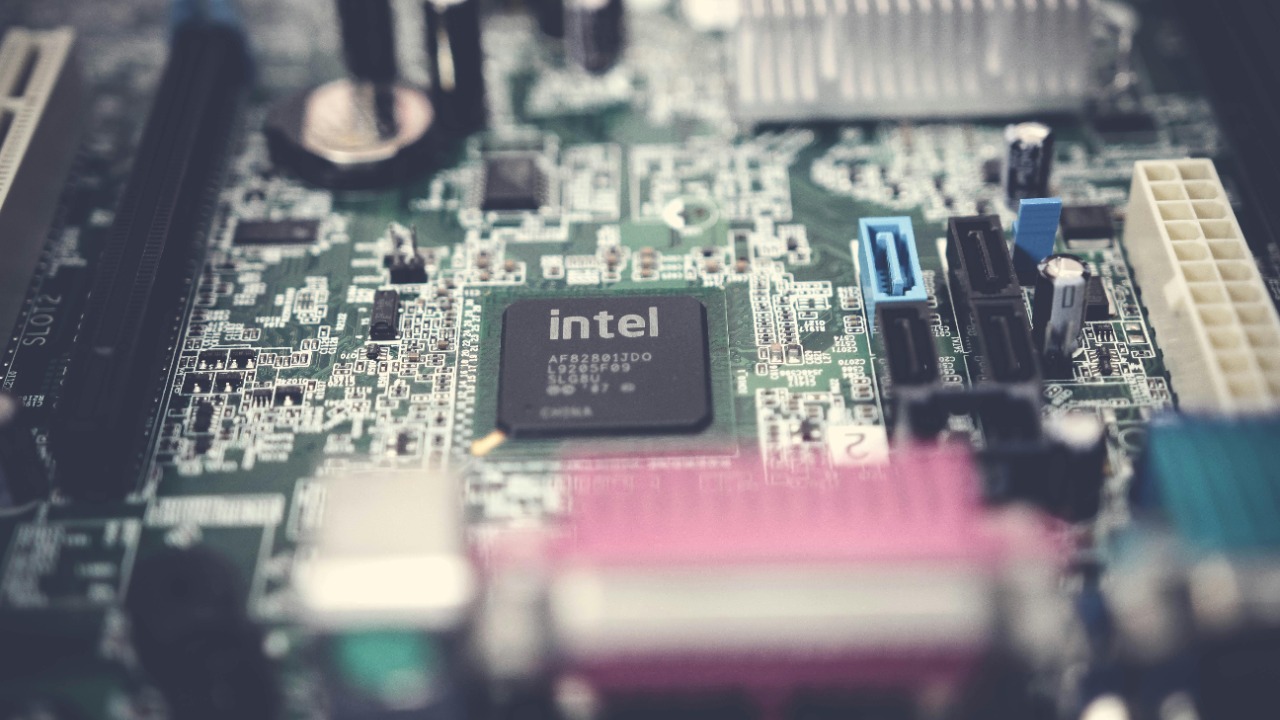
The recent surge in Intel’s stock price can be attributed to several key factors. Positive updates on Intel’s AI chip developments have generated optimism among investors, as these advancements position the company to capture a significant share of the growing AI market. Additionally, government subsidies for U.S. manufacturing have bolstered investor confidence in Intel’s ability to expand its domestic production capabilities.
Over the past quarter, Intel’s share price has seen a substantial percentage gain, outperforming the PHLX Semiconductor Index. This performance has been driven by a shift in investor sentiment, with trading volumes spiking following Intel’s latest earnings report. The report highlighted the company’s progress in key areas, further fueling investor enthusiasm and contributing to the stock’s upward momentum.
Underlying Challenges at Intel

Despite the recent stock surge, Intel continues to face significant challenges. The company’s efforts to expand its foundry capabilities have been hampered by delays in the rollout of its Ohio facility, with cost overruns estimated in the billions. These setbacks underscore the difficulties Intel faces in scaling its manufacturing operations to meet growing demand.
Intel also faces competitive threats from industry giants like TSMC and Nvidia. These rivals have been gaining market share in critical areas such as data center CPUs, posing a challenge to Intel’s dominance. The competitive landscape is further complicated by Intel’s recent financial metrics, which reveal quarterly revenue shortfalls and margin compression due to increased R&D investments.
Broader Market Implications
BofA’s warning about Intel reflects broader volatility within the semiconductor industry. Similar cautionary notes have been issued for other tech companies, such as Palantir, which recently experienced a significant stock dip. These developments highlight the sector’s sensitivity to valuation concerns and the potential for market corrections similar to Palantir’s recent challenges.
Macroeconomic factors also play a crucial role in shaping Intel’s market dynamics. Interest rate fluctuations impact tech valuations, while U.S.-China trade tensions continue to affect supply chains. These external pressures add complexity to Intel’s strategic planning and investor decision-making, as stakeholders weigh the risks and opportunities in a rapidly evolving market environment.
In response to these challenges, investors may consider hedging their positions to mitigate potential losses from sector-wide corrections. Analyst notes and market signals suggest a cautious approach, emphasizing the importance of balancing risk and reward in the current semiconductor landscape. As Intel navigates these turbulent waters, its ability to adapt and innovate will be critical to sustaining its market position and delivering value to shareholders.

Grant Mercer covers market dynamics, business trends, and the economic forces driving growth across industries. His analysis connects macro movements with real-world implications for investors, entrepreneurs, and professionals. Through his work at The Daily Overview, Grant helps readers understand how markets function and where opportunities may emerge.

