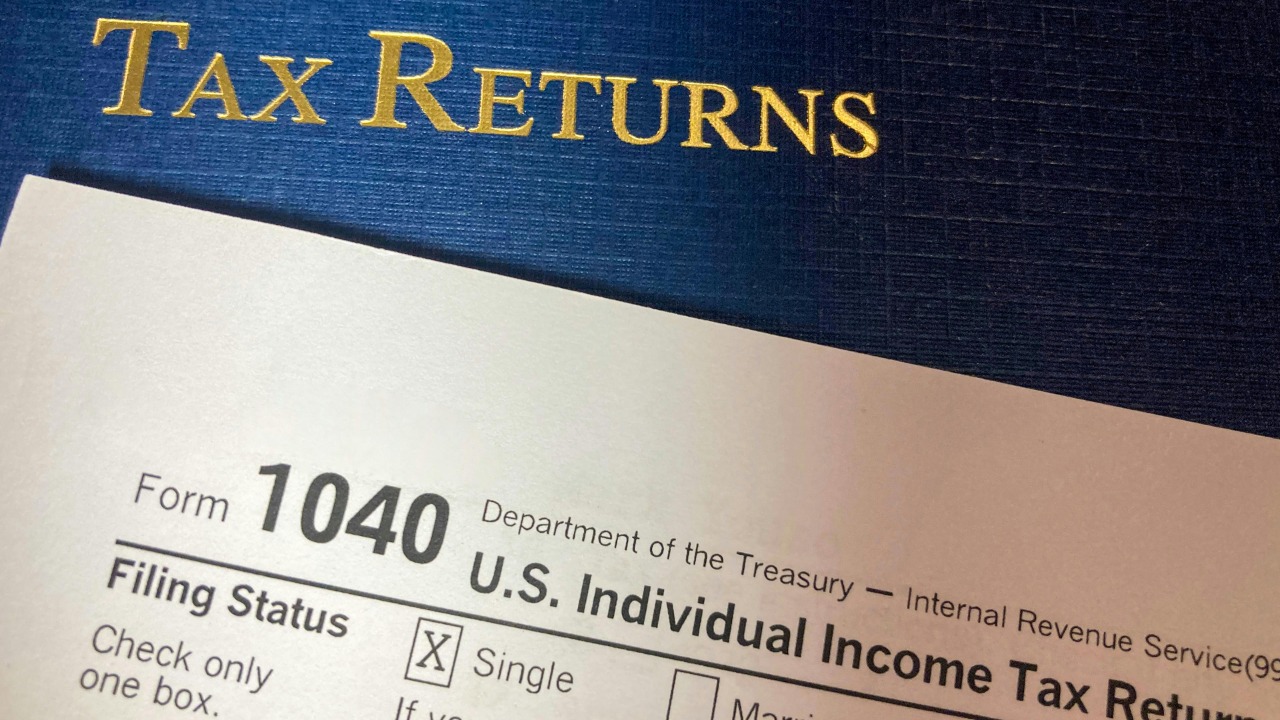
The IRS is currently dealing with a significant backlog of tax returns and related processes, a situation that has arisen in the wake of the longest government shutdown in U.S. history. This backlog is expected to take ‘2 to 3 months’ to resolve, causing delays for millions of taxpayers who depend on timely refunds and services. The shutdown’s impact on federal operations has been profound, with the IRS being one of the most affected agencies.
Details of the Government Shutdown
The recent government shutdown, which has been recorded as the longest in U.S. history, had a profound impact on federal agencies, including the IRS. During this period, non-essential operations were halted, leading to a significant accumulation of unprocessed tax-related tasks. The shutdown concluded in early November 2025, but its effects are still being felt as the IRS struggles to manage the backlog that emerged during this time.
Federal agencies, including the IRS, were forced to operate with limited resources, which significantly slowed down their ability to process tax returns and other essential services. The shutdown’s duration exacerbated these challenges, as each day added to the pile of unprocessed work. This disruption has left the IRS with a daunting task of catching up on months of delayed work, affecting both individual taxpayers and businesses.
The shutdown’s impact was not limited to the IRS alone but was felt across various federal agencies. However, the IRS’s role in processing tax returns and issuing refunds made it particularly vulnerable to the operational disruptions caused by the shutdown. As a result, taxpayers are now facing extended wait times for services that are typically more prompt.
Scope of the IRS Backlog
The IRS is currently facing a ‘huge tax backlog’ that is affecting its ability to issue refunds and process tax returns efficiently. This backlog includes a significant volume of delayed cases, ranging from routine filings to correspondence that accumulated during the shutdown. The severity of the backlog is directly linked to the shutdown’s length, which left the IRS with an overwhelming amount of work to catch up on.
According to reports, the backlog includes not only individual tax returns but also business filings and other essential tax-related documents. This accumulation of unprocessed tasks has led to warnings being issued to taxpayers about potential delays in receiving their refunds and other IRS services. The backlog’s impact is widespread, affecting millions of taxpayers who rely on timely processing of their tax returns.
The IRS has been working diligently to address the backlog, but the sheer volume of delayed cases has made it a challenging task. The agency is prioritizing critical tasks to ensure that the most urgent cases are handled first, but the overall process is expected to take several months to complete. This has left many taxpayers in a state of uncertainty as they await updates on their tax returns and refunds.
Projected Recovery Timeline
The IRS has provided an official estimate that it will take ‘2 to 3 months’ to catch up on the backlog caused by the shutdown. This timeline is influenced by several factors, including staffing shortages and the need to prioritize critical tasks. The agency is working to address these challenges, but the recovery process is expected to be gradual.
Experts have confirmed the ‘2-3 month’ backlog projection, noting that the IRS’s ability to recover from the shutdown’s impact will depend on its capacity to manage resources effectively. The agency is focusing on streamlining its processes and utilizing available resources to expedite the backlog clearance. However, the complexity of the tasks involved means that the recovery will not be immediate.
Taxpayers are advised to remain patient as the IRS works through the backlog. The agency is committed to providing updates on the status of tax returns and refunds, but the extended wait times are likely to persist for the foreseeable future. This situation underscores the importance of efficient government operations and the challenges that arise when disruptions occur.
Implications for Taxpayers
The backlog has significant implications for taxpayers, who are being warned about potential delays in receiving their refunds and other IRS interactions. This situation is particularly concerning for individuals and businesses that rely on timely tax relief to manage their finances. The delays could lead to cash flow issues and other financial challenges for those awaiting refunds.
To mitigate the impact of the backlog, taxpayers are encouraged to check the status of their tax returns and refunds regularly. The IRS provides online tools and resources that can help individuals and businesses stay informed about the progress of their filings. Additionally, taxpayers may consider exploring alternative filing options or seeking professional assistance to navigate the current challenges.
The broader economic effects of the backlog are also a concern, as delayed refunds can affect consumer spending and overall economic activity. The IRS’s efforts to address the backlog are crucial to minimizing these impacts and ensuring that taxpayers receive the services they depend on. As the agency works to resolve the backlog, taxpayers are urged to remain vigilant and proactive in managing their tax-related matters.
In conclusion, the IRS is facing a significant challenge in addressing the backlog caused by the recent government shutdown. The agency’s efforts to catch up on delayed tasks are ongoing, but the recovery process is expected to take several months. Taxpayers are advised to stay informed and prepared for potential delays as the IRS works to restore normal operations.
More From TheDailyOverview
- Dave Ramsey says these two simple questions show whether you’re rich or poor
- Retired But Want To Work? Try These 18 Jobs for Seniors That Pay Weekly
- IRS raises capital gains thresholds for 2026 and what’s new
- 12 ways to make $5,000 fast that actually work

Julian Harrow specializes in taxation, IRS rules, and compliance strategy. His work helps readers navigate complex tax codes, deadlines, and reporting requirements while identifying opportunities for efficiency and risk reduction. At The Daily Overview, Julian breaks down tax-related topics with precision and clarity, making a traditionally dense subject easier to understand.

