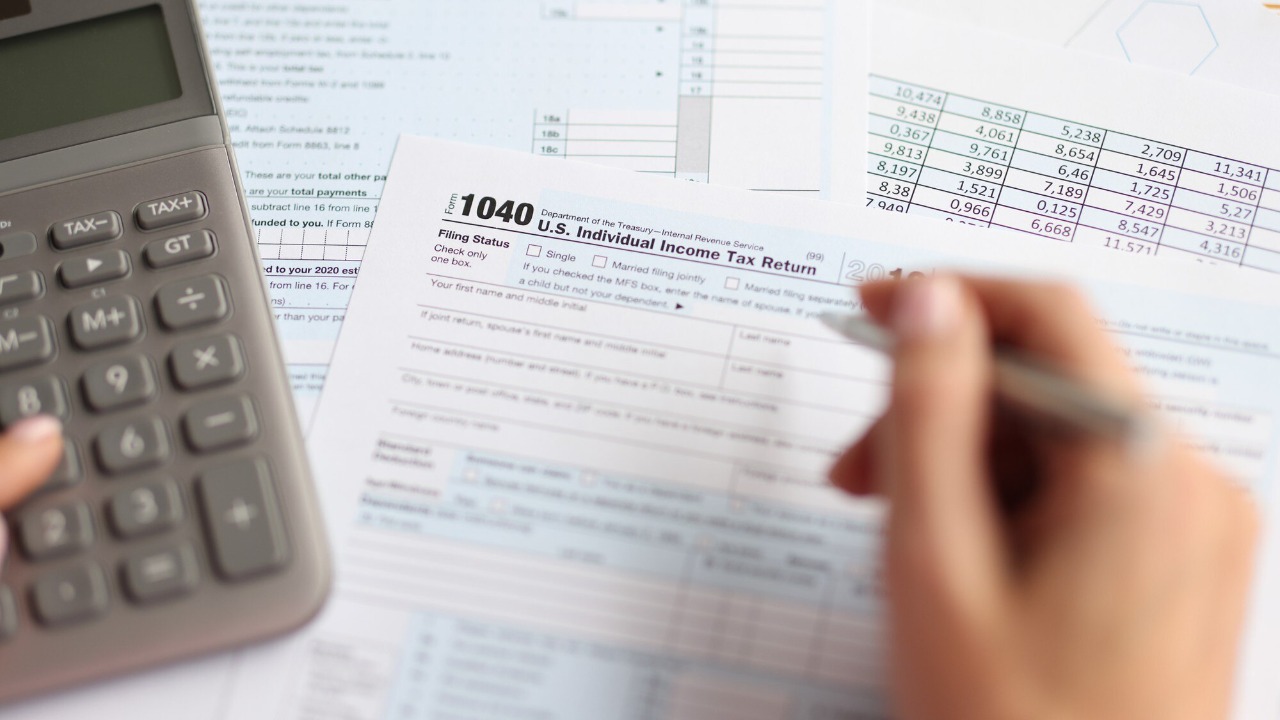
The Internal Revenue Service is warning that the way Americans pay and receive their taxes is shifting faster than many realize. New rules tied to the One Big Beautiful Bill and Executive Order 14247 are changing everything from how side hustles are reported to how refunds are delivered, and the agency is urging taxpayers to adjust now rather than be surprised by a rejected payment or a delayed refund. I see three big themes in the latest guidance: more electronic payments, higher reporting thresholds for some income, and new credits and deductions that will reward those who plan ahead.
The 2026 filing season has already opened for 2025 returns, and the clock is ticking for millions of Americans who still rely on paper checks or outdated assumptions about 1099 forms. The Internal Revenue Service is pairing its technical updates with unusually blunt advice, telling taxpayers to review their payment options, online accounts, and recordkeeping before they file. The stakes are simple but serious: get this right and you may see a larger refund, get it wrong and you could face penalties or find that your expected check never arrives.
New filing season, new rules on how you pay
The Internal Revenue Service has kicked off the 2026 filing season with a clear message that the mechanics of paying your bill are changing. In its latest newsroom updates, the IRS stresses that taxpayers should not wait until the April deadline to discover that their preferred payment method no longer qualifies. Earlier this month, IR-2026-01 from WASHINGTON urged filers to get ready for tax season with “key updates” that can either shrink tax bills or increase refunds, a pointed reminder that the rules now reward those who engage early. The same release, identified as IR-2026-01, emphasized that Jan guidance from the Internal Revenue Service is meant to be acted on, not skimmed and forgotten.
On the ground, that means the 2026 tax filing season, which opened on a Monday in late Jan, is operating under a different set of expectations than last year. Local coverage has already highlighted that When you file and how you choose to receive your refund now interact with new federal rules, including enrollment in emerging options like a Trump Account for some taxpayers. Nationally, the IRS has confirmed through its Jan news releases that the 2026 filing season is officially open, and that the agency is layering in new FAQs and technical guidance almost in real time as questions pour in.
Electronic payments and the end of paper refund checks
The most disruptive change for many households is the rapid move away from paper. The Internal Revenue Service, working with the U.S. Department of the Treasury, has already announced that paper tax refund checks for individual taxpayers will be phased out, with a cutoff tied to Dec. 31, 2025, for most cases. In a detailed release from WASHINGTON, The Internal Revenue Service framed the shift as part of a broader modernization effort, coordinated with the Department of the Treasury, to move taxpayers toward direct deposit and other electronic options. For anyone who still counts on a paper check arriving in the mailbox, that is not a minor tweak, it is a fundamental change in how federal money reaches your bank account.
Behind this push is Executive Order 14247, formally titled Executive Order, Modernizing Payments To and From America, Bank Accou, which directs agencies to streamline and digitize payments. The IRS has now issued FAQs on that order, explaining that while electronic payments will become the default, Limited exceptions will allow money orders and similar instruments in hardship situations. Tax policy specialists have noted that The Internal Revenue Service and the IRS are using this executive order, described in one analysis as Executive Order, Modern, to justify a broad redesign of payment flows, which is why the agency is now so insistent that taxpayers set up secure online accounts and current direct deposit details.
Vulnerable taxpayers and the risk of being left behind
For millions of Americans who are unbanked, underbanked, or simply uncomfortable online, the end of paper checks is not just an inconvenience, it is a potential barrier to receiving money they are owed. The National Taxpayer Advocate has already warned that as the IRS phases out paper checks, vulnerable taxpayers must not be left behind, citing Executive Order, Modernizing Payments To and From America, Bank Accou as both an opportunity and a risk. In a detailed blog post that begins with the word Recently, the advocate describes a surge of questions from people who lack bank accounts, have disabilities, or live in rural areas with limited internet access, all of whom could struggle to comply with a system that assumes everyone can receive funds electronically.
That concern has been echoed in a second analysis from the same office, which again uses the word Recently to underline how quickly the questions are piling up. The advocate argues that the IRS must build in robust alternatives and outreach, from in-person assistance to safe prepaid card options, so that the drive to modernize does not collide with state laws or practical realities that conflict with the policy. From my perspective, this is where the agency’s urgent guidance is most justified, because the people least likely to see an online FAQ are the ones most at risk of missing a critical deadline or losing access to a refund.
Side hustles, 1099s and the One Big Beautiful Bill
Alongside payment mechanics, the IRS is also reshaping how nontraditional income is reported, and that is where the One Big Beautiful Bill comes in. Taxes tied to gig work, freelance income and online sales have been a flashpoint since the American Rescue Plan Act of 2021 lowered the Form 1099-K threshold, but The OBBB has now retroactively reinstated the prior dollar limit, restoring a higher reporting bar for many casual sellers. The IRS has issued FAQs explaining that under The OBBB, the Form 1099-K threshold reverts to the pre American Rescue Plan Act of standard, and that detailed guidance is available on The OBBB section of IRS.gov. For taxpayers who sell a used car on Facebook Marketplace or unload concert tickets on a payment app, that change could mean fewer surprise forms in the mailbox next January.
The same law is also reshaping 1099 reporting for contractors and small businesses. A detailed breakdown of Key takeaways from one payroll-focused analysis notes that 1099-MISC and 1099-NEC reporting minimums have increased from $600 to $2,000 starting with 2026 payments, reducing the number of small-dollar forms that businesses must issue. A separate explainer on The New IRS 1099 Thresholds, flagged under Key Highlights, walks through What is Changing in 2026 and how The New IRS Thresholds will affect both payers and recipients. For gig workers who juggle multiple apps, the message is that fewer forms does not mean less tax liability, it simply shifts more responsibility onto the taxpayer to track income accurately.
New credits, bigger deductions and the 2025 Trump tax bill
Beyond reporting thresholds, the tax code itself is moving under taxpayers’ feet. The 2025 Trump tax bill, signed into law last year, is already reshaping returns for the 2025 tax year that are being filed now. A detailed guide framed as Tax Season 2026 Is Here, 8 New Tax Changes to Know Before You File, explains that the standard deduction is bigger and that several New Tax Changes will interact with existing credits in ways that could either boost or shrink refunds. In that analysis, the word Jan is used to situate the timing of the changes, while a companion piece that repeats the phrase Tax Season, Is Here, New Tax Changes, Know Before You File and Trump underscores that these are not hypothetical tweaks, they are live rules for the returns now in progress.
More From TheDailyOverview
*This article was researched with the help of AI, with human editors creating the final content.

Julian Harrow specializes in taxation, IRS rules, and compliance strategy. His work helps readers navigate complex tax codes, deadlines, and reporting requirements while identifying opportunities for efficiency and risk reduction. At The Daily Overview, Julian breaks down tax-related topics with precision and clarity, making a traditionally dense subject easier to understand.