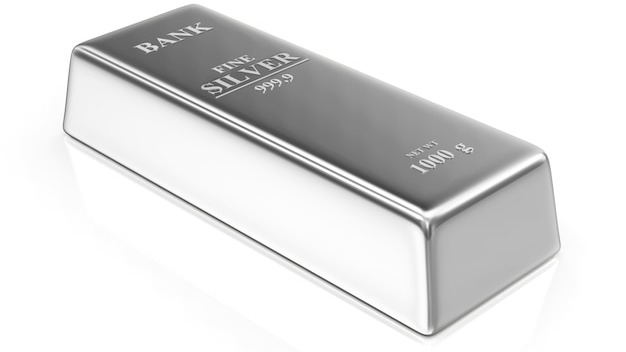
Federal regulators have taken the unusual step of joining forces to warn retirees that silver and gold purchases pitched as safe havens can be anything but. For older adults weighing whether to shift retirement savings into physical silver, the question is not simply whether the metal can gain value but whether the costs, tax traps, and fraud risks make it a poor fit for money they cannot afford to lose. The answer depends on how clearly buyers understand what they are actually buying and who is selling it to them.
Regulators Flag a Pattern of Retiree Targeting
The CFTC, FINRA, and NASAA issued a coordinated joint alert about precious metals fraud aimed specifically at retirees. The alert describes a recurring scheme, salespeople contact older adults, often through unsolicited calls or affinity networks, and pressure them to roll existing retirement accounts into self-directed IRAs loaded with overpriced gold and silver. The markups, commissions, and ongoing storage fees can quietly consume a significant share of the investment before the metal ever appreciates. Urgency and fear are standard tools, with pitches claiming that traditional investments are about to collapse or that metals offer protections no other asset can match. The regulators emphasize that these pitches often rely on high-pressure tactics, scripted talking points, and emotionally charged claims about economic collapse to push investors into quick decisions.
The SEC has pursued enforcement actions that put a concrete face on the problem. The agency filed fraud charges alleging a multimillion-dollar scheme that persuaded investors at or near retirement age to liquidate securities, move the proceeds into self-directed IRAs, and buy gold and silver coins. According to the complaint, investors were steered into metals sold at steep markups that were not disclosed, leaving them with assets worth far less than they believed. Separately, the FTC has highlighted cases in which older adults drained 401(k)s and IRAs based on metals sales pitches, only to discover that supposed “safe” coins were illiquid, difficult to value, or encumbered by excessive fees. The pattern is consistent: sellers exploit the trust older adults place in tangible assets and then layer on hidden costs that erode returns, while downplaying the fact that metals can fall sharply in value just when retirees need cash.
Tax Rules and Structural Costs That Erode Returns
Even when a silver purchase is legitimate, the IRS imposes rules that can surprise retirees. Under IRS Publication 590-A, IRA investments in collectibles, including most metals and coins, are treated as taxable distributions unless the metal meets a narrow statutory exception for certain U.S.-minted coins and specified bullion. A retiree who buys the wrong type of silver inside an IRA could owe income tax and penalties on the entire purchase amount, effectively handing the government a cut of savings that were supposed to grow tax-deferred. Scam operators exploit this complexity. The CFTC’s consumer flier on IRA misrepresentations catalogs claims about “secret loopholes,” misleading statements about IRS rules and storage, and false assurances about special protections of coins, all designed to make buyers skip the due diligence that would reveal the tax consequences. For retirees on fixed incomes, an unexpected tax bill can be as damaging as an investment loss.
Beyond taxes, silver carries structural costs that stocks and bonds do not. The CFTC notes that precious metals generate no dividends, earnings, or compounding, so a retiree holding silver must rely entirely on price appreciation to keep pace with inflation and cover storage and insurance fees. Filings from the Sprott Physical Silver Trust illustrate how management fees, custody charges, and other expenses steadily chip away at net asset value, even when the underlying metal price is flat. The trust’s own risk disclosures quantify how even a 1% move in the silver price can shift the fund’s equity and income, a reminder that the metal’s volatility can work against holders who need stable withdrawals. For retirees drawing regular income, that volatility can force sales at unfavorable prices, turning what was marketed as a “store of value” into a source of sequence-of-returns risk.
Fraud Red Flags and Safer Ways to Evaluate Silver
Regulators stress that not every silver purchase is a scam, but they warn that certain patterns should immediately raise suspicion. In a dedicated advisory on precious metals frauds, the CFTC describes schemes involving leveraged or financed purchases, where investors are told they can control large amounts of silver with a small upfront payment. In many cases, the promised metal is never actually bought or stored, and investors face margin-call-style demands for additional money when prices move. Other red flags include guaranteed or “risk-free” returns, refusal to provide written fee schedules, and pressure to keep the transaction secret from family members or independent advisers. When these elements appear alongside a push to move retirement funds into a self-directed IRA controlled by the seller, regulators say retirees should walk away.
For older adults who still want some exposure to silver, regulators and consumer advocates recommend slowing down and separating the decision from any sales pitch. That means verifying whether a proposed IRA investment meets IRS rules, comparing total costs (including markups, storage, and account fees) to low-cost alternatives, and checking the seller’s registration and disciplinary history with securities and commodities regulators. It also means asking a fee-only financial planner or tax professional, who does not earn commissions on metals, to review the proposal before signing anything. Silver can play a limited role as a diversification tool, but when it is sold as a cure-all for market volatility or inflation, or as a vehicle to “protect” retirement accounts through opaque self-directed structures, the combination of tax exposure, structural costs, and fraud risk can make it a poor choice for money that retirees depend on for essential living expenses.
More From The Daily Overview
*This article was researched with the help of AI, with human editors creating the final content.

Cole Whitaker focuses on the fundamentals of money management, helping readers make smarter decisions around income, spending, saving, and long-term financial stability. His writing emphasizes clarity, discipline, and practical systems that work in real life. At The Daily Overview, Cole breaks down personal finance topics into straightforward guidance readers can apply immediately.

