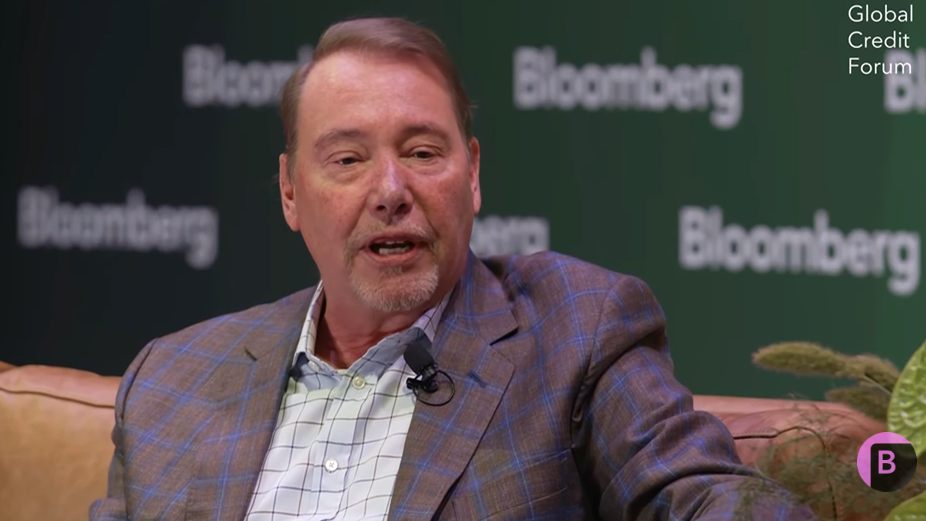
Jeffrey Gundlach is looking at today’s markets and seeing more risk than reward. The veteran bond investor is describing one of the least healthy environments of his career and is telling investors to keep roughly 20% of their portfolios in cash so they have dry powder if asset prices finally reset.
His warning is not just about stretched stock valuations. From richly priced bonds to aggressive private credit deals and lingering inflation pressures, Gundlach is sketching a picture of a financial system that has leaned too far out over its skis and could be vulnerable if growth or policy expectations shift.
Why Gundlach thinks “everything is overvalued”
When I look at Gundlach’s recent comments, the throughline is simple: he believes investors are paying too much for too little prospective return across almost every major asset class. He has argued that stocks and bonds are both expensive at the same time, a combination that leaves traditional 60/40 portfolios exposed if rates stay higher for longer or earnings growth disappoints. On Nov 16, 2025, Gundlach reiterated that stocks, bonds, pretty much everything is overvalued, extending a warning he has been sounding for the past two years about stretched pricing and the lack of a clear safety valve in public markets, a view reflected in his remarks that stocks, bonds, pretty much everything is overvalued.
That broad concern feeds directly into his call for a sizable cash buffer. In his view, holding about 20% in cash is not a bearish bet on permanent stagnation, it is a tactical choice to avoid overpaying in what he sees as one of the least healthy stock markets of his career. On Nov 16, 2025, Wall Street veteran Jeffrey Gundlach, who is chief executive officer of DoubleLine Capital, said many assets are extremely overpriced and urged investors to keep about one fifth of their portfolios liquid so they can take advantage of better entry points if valuations correct, a stance he outlined when he described one of the least healthy stock markets of his career.
The “garbage lending” problem in private credit
Gundlach’s harshest language is reserved for private credit, which he sees as the epicenter of the next potential crisis. He has argued that the search for yield has pushed lenders into increasingly risky structures, with looser covenants and optimistic assumptions about borrowers’ ability to service debt if financing costs stay elevated. In an episode of the Odd Lot podcast on Nov 16, 2025, one of Wall Street’s bond kings said he is spotting overpriced assets almost everywhere and singled out what he called “garbage lending” in the private credit market, warning that the growth of lightly scrutinized loans could magnify losses if defaults rise, a critique he leveled when he discussed garbage lending in private credit.
His skepticism is not limited to colorful language. Gundlach has framed private credit as a likely trigger for the next major financial shock, arguing that the combination of opaque structures, rapid growth and investor complacency echoes past cycles that ended badly. On Nov 16, 2025, Key Takeaways from his recent commentary highlighted that Jeffrey Gundlach, a bond market veteran, predicted private credit would be the cause of the next financial crisis, pointing to the way loans have been packaged and sold to yield-hungry investors at the start of 2025 and warning that the sector’s rapid expansion could mask underlying credit deterioration, a concern captured in the summary of Key Takeaways on private credit risk.
Inflation, the dollar, and why 20% cash is a defensive play
Gundlach’s call for a hefty cash allocation might sound odd in an environment where inflation has been a persistent concern, but he is tying that recommendation directly to his broader macro view. He has warned that price pressures could reaccelerate and that investors should not assume the disinflation trend is locked in, particularly if fiscal deficits remain large and global demand for United States assets softens. On Nov 12, 2025, DoubleLine Capital founder Jeffrey Gundlach, widely known as the Bond King, cautioned that inflation trends were “disturbing” and flagged the risk of an “anti-dollar” shift as other countries diversify their reserves, arguing that investors need to think carefully about how they hold their wealth in a world where the dollar’s dominance could be questioned, a perspective he laid out when he warned of disturbing inflation and anti-dollar risks.
In that context, 20% cash functions as both a shield and a springboard. It gives investors room to maneuver if inflation surprises to the upside and central banks respond with tighter policy that pressures risk assets, and it also positions them to buy quality stocks or bonds at lower prices if the unhealthy dynamics Gundlach describes finally break. When I weigh his warnings about overvalued stocks and bonds, his description of garbage lending in private credit, and his concern about inflation and the dollar, the common thread is a plea for patience: accept lower yields on cash today in exchange for the flexibility to act when a more rational opportunity set emerges.
More From TheDailyOverview
- Dave Ramsey says these two simple questions show whether you’re rich or poor
- Retired But Want To Work? Try These 18 Jobs for Seniors That Pay Weekly
- IRS raises capital gains thresholds for 2026 and what’s new
- 12 ways to make $5,000 fast that actually work

Elias Broderick specializes in residential and commercial real estate, with a focus on market cycles, property fundamentals, and investment strategy. His writing translates complex housing and development trends into clear insights for both new and experienced investors. At The Daily Overview, Elias explores how real estate fits into long-term wealth planning.

