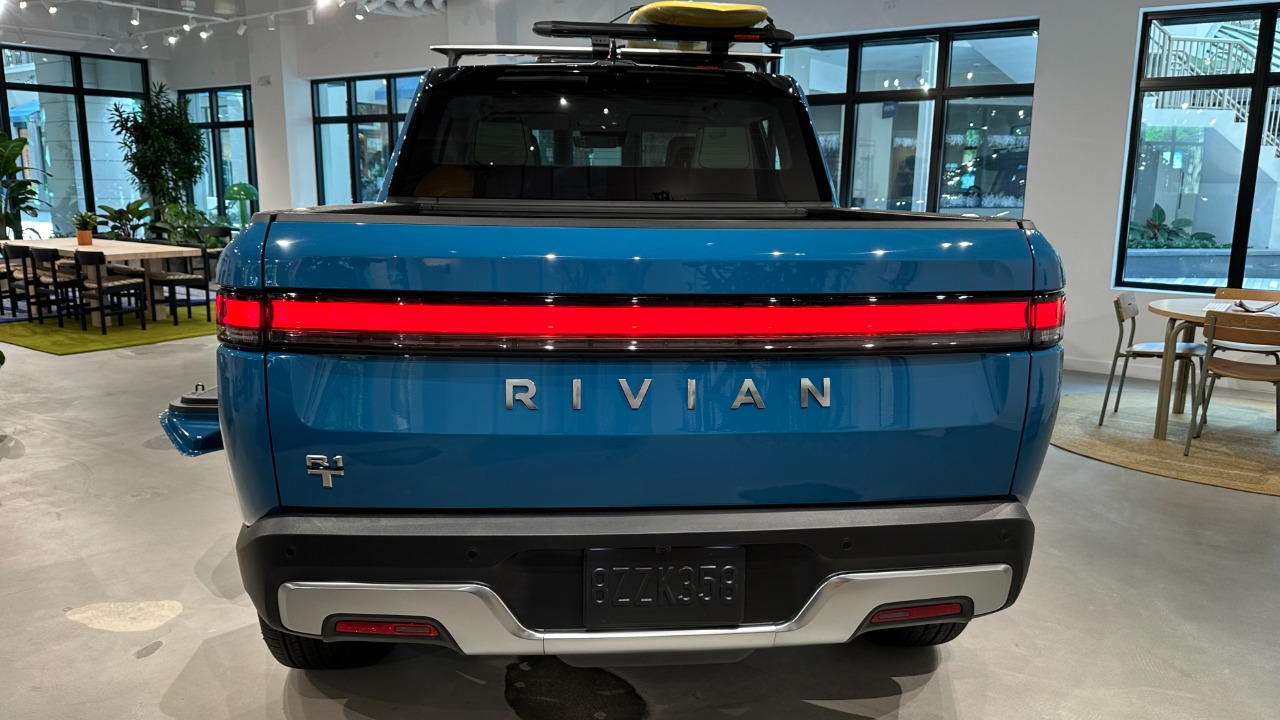
Rivian’s stock has crashed from its euphoric debut, wiping out more than 90% of its market value as deep losses, slowing growth and governance questions collide. The electric truck maker is still shipping acclaimed vehicles, but investors are now focused on whether the company’s cost structure and leadership decisions justify its once sky‑high valuation. The selloff has turned Rivian into a test case for how much patience Wall Street still has for cash‑hungry EV startups.
From market darling to distressed EV bet
Rivian arrived on public markets as one of the most richly valued carmakers in history, yet the share price has since collapsed as reality caught up with the hype. The company has reported billions of dollars in cumulative net losses while burning large amounts of cash to ramp production of the R1T pickup, R1S SUV and its commercial delivery vans, a trajectory that has left the stock more than 90% below its peak according to recent trading data. That reversal reflects a sharp reset in expectations for unprofitable EV manufacturers that once commanded premium valuations simply for promising rapid growth.
The financial strain is visible in Rivian’s quarterly results, where revenue gains have been outweighed by steep operating expenses and negative gross margins. In its latest filings the company reported automotive gross losses on every vehicle sold and signaled that capital spending on new platforms and plants will remain heavy, reinforcing concerns about how long existing cash reserves can support operations without additional funding. Analysts tracking the stock have highlighted that the company’s market capitalization now sits far below the tens of billions of dollars it commanded around its initial public offering, a gap that underscores how dramatically sentiment has shifted as investors reassess the risks embedded in Rivian’s business model and balance sheet using figures disclosed in its SEC reports.
Mounting losses and a tougher EV landscape
The core of Rivian’s problem is that it is trying to scale a capital‑intensive manufacturing business just as the broader EV market is cooling and price competition is intensifying. The company has acknowledged in its earnings materials that it is still losing money on each vehicle, with negative gross margins driven by high material costs, underutilized factory capacity and the expense of early‑stage production. Its most recent quarterly report showed net losses in the hundreds of millions of dollars and cumulative deficits in the billions, figures that have raised doubts about how quickly Rivian can reach break‑even even if volumes continue to grow, as detailed in its financial statements.
At the same time, the competitive backdrop has become far less forgiving than when Rivian first captured investor imagination. Established automakers are rolling out their own electric pickups and SUVs, while aggressive price cuts from rivals have pressured margins across the sector. Rivian has responded by trimming its workforce and revising production plans, moves that management framed as necessary to preserve cash and focus on the most promising programs in its latest guidance update. Those steps may extend the company’s runway, but they also underscore how far Rivian still has to go before its manufacturing footprint and cost base match the realities of demand in a more mature EV market.
CEO pay, governance scrutiny and investor trust
Against that backdrop of heavy losses and a collapsing share price, Rivian’s executive compensation has become a flashpoint for frustrated shareholders. Chief executive Robert “RJ” Scaringe received a pay package valued in the hundreds of millions of dollars tied largely to stock awards granted around the time of the IPO, a structure that looked far more palatable when the company’s valuation was soaring. As the stock has plunged and ordinary investors have absorbed steep losses, critics have questioned whether the board’s approach to CEO pay properly reflects performance and risk, a debate that has intensified in light of the figures disclosed in Rivian’s most recent proxy statement.
The governance concerns extend beyond headline pay numbers to how the board is overseeing strategy at a company that remains deeply unprofitable. Some institutional investors have pushed for tighter alignment between executive rewards and long‑term value creation, arguing that lavish equity grants issued at peak valuations can dull accountability if they are not recalibrated after a severe drawdown. Rivian has defended its compensation framework as necessary to retain key talent in a fiercely competitive industry, pointing to performance‑based vesting conditions and multi‑year horizons in its compensation disclosures. The tension between those assurances and the lived experience of shareholders who have seen more than 90% of their investment erased is now central to how the market judges Rivian’s leadership and its path to restoring confidence.
More From TheDailyOverview
- Dave Ramsey says these two simple questions show whether you’re rich or poor
- Retired But Want To Work? Try These 18 Jobs for Seniors That Pay Weekly
- IRS raises capital gains thresholds for 2026 and what’s new
- 12 ways to make $5,000 fast that actually work

Grant Mercer covers market dynamics, business trends, and the economic forces driving growth across industries. His analysis connects macro movements with real-world implications for investors, entrepreneurs, and professionals. Through his work at The Daily Overview, Grant helps readers understand how markets function and where opportunities may emerge.

