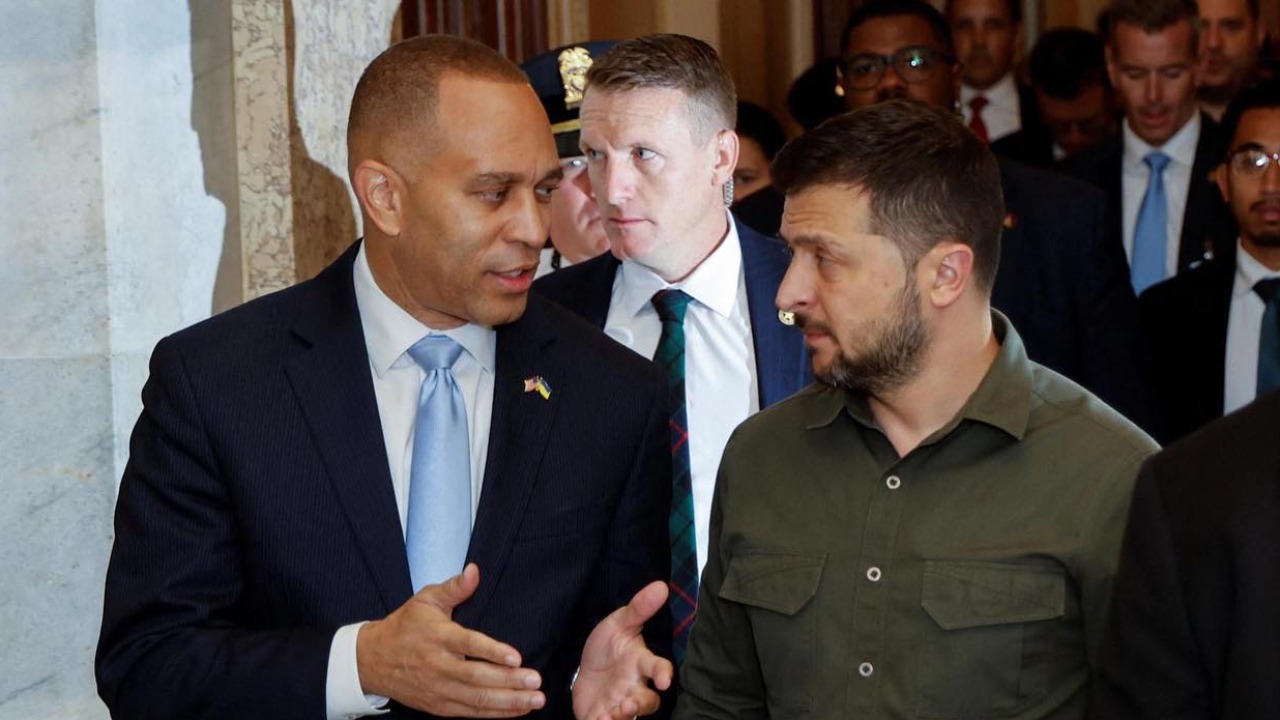
House Minority Leader Hakeem Jeffries has rejected a Republican bill aimed at providing shutdown pay to troops and federal workers, marking a key Democratic pushback amid ongoing government funding disputes. This development follows President Trump’s directive on October 11, 2025, instructing the Pentagon to use all available funds to ensure troop payments despite the shutdown. With the Senate now scheduled to vote on similar federal employee and troop pay measures next week, the standoff highlights escalating partisan tensions over fiscal priorities.
Trump’s Pentagon Directive Amid Shutdown
President Trump issued a directive on October 11, 2025, instructing the Pentagon to use all available funds to pay troops during the ongoing government shutdown. This move was intended to ensure that military personnel would continue to receive their paychecks despite the budgetary impasse. By prioritizing troop payments, the directive aimed to provide immediate relief to military families facing financial uncertainty due to the shutdown.
The implications of this directive are significant for troops, who are the primary stakeholders affected by the shutdown. While the directive offers short-term relief by securing military pay, it does not address the broader issue of federal worker pay, leaving many non-military federal employees in financial limbo. Defense officials and military advocates have generally welcomed the directive, as it temporarily stabilizes the situation for military personnel compared to the uncertainty that existed before the directive was issued.
However, the directive’s focus on military pay highlights the ongoing challenges faced by federal workers who remain without a clear resolution. The broader implications of the shutdown continue to affect various government operations, underscoring the need for a comprehensive solution that addresses the needs of all federal employees, not just those in the military.
Senate Schedules Vote on Pay Measures
The Senate has announced plans to vote next week on legislation aimed at addressing the financial pressures faced by federal employees and troops due to the ongoing shutdown. This decision, announced around October 16, 2025, represents a critical step in responding to the financial challenges posed by the budgetary deadlock. The proposed vote seeks to extend the coverage initiated by Trump’s Pentagon directive to include non-military federal workers, thereby broadening the scope of relief.
The bipartisan nature of the proposed vote is noteworthy, as it builds on President Trump’s earlier efforts to ensure troop payments by extending similar protections to federal employees. This legislative move is seen as an attempt to bridge partisan divides and provide a more comprehensive solution to the shutdown’s financial impact. By accelerating the scheduling of this vote, the Senate aims to offer potential relief just days after the House’s partisan developments, potentially altering the momentum of the shutdown negotiations.
The upcoming Senate vote underscores the urgency of finding a resolution to the shutdown’s financial implications. As lawmakers prepare to address the issue, the focus remains on balancing fiscal priorities with the immediate needs of federal workers and military personnel. The outcome of this vote could significantly influence the trajectory of the shutdown and the broader political landscape.
Jeffries Leads Democratic Rejection of GOP Bill
House Minority Leader Hakeem Jeffries has rejected a Republican bill designed to provide shutdown pay to both troops and federal workers. This rejection, occurring on October 20, 2025, highlights the Democratic Party’s stance on the limitations of the proposed bill. Jeffries and other Democrats argue that the bill falls short of addressing the broader funding solutions needed to resolve the shutdown’s impact on federal workers.
Democratic perspectives emphasize the need for comprehensive funding solutions that go beyond the immediate relief offered by the Republican bill. By rejecting the bill, Jeffries underscores the importance of addressing the needs of federal workers as key stakeholders in the shutdown negotiations. This rejection also signals an escalation in partisan divides, as it comes shortly after the Senate’s announcement of a vote on similar pay measures, potentially creating a roadblock to unified action.
The rejection of the Republican bill by Jeffries and the Democrats reflects the broader political tensions surrounding the shutdown. As both parties navigate the complexities of fiscal priorities and government funding, the focus remains on finding a resolution that addresses the needs of all affected stakeholders. The ongoing negotiations highlight the challenges of balancing partisan interests with the practical needs of federal employees and military personnel.

Grant Mercer covers market dynamics, business trends, and the economic forces driving growth across industries. His analysis connects macro movements with real-world implications for investors, entrepreneurs, and professionals. Through his work at The Daily Overview, Grant helps readers understand how markets function and where opportunities may emerge.


