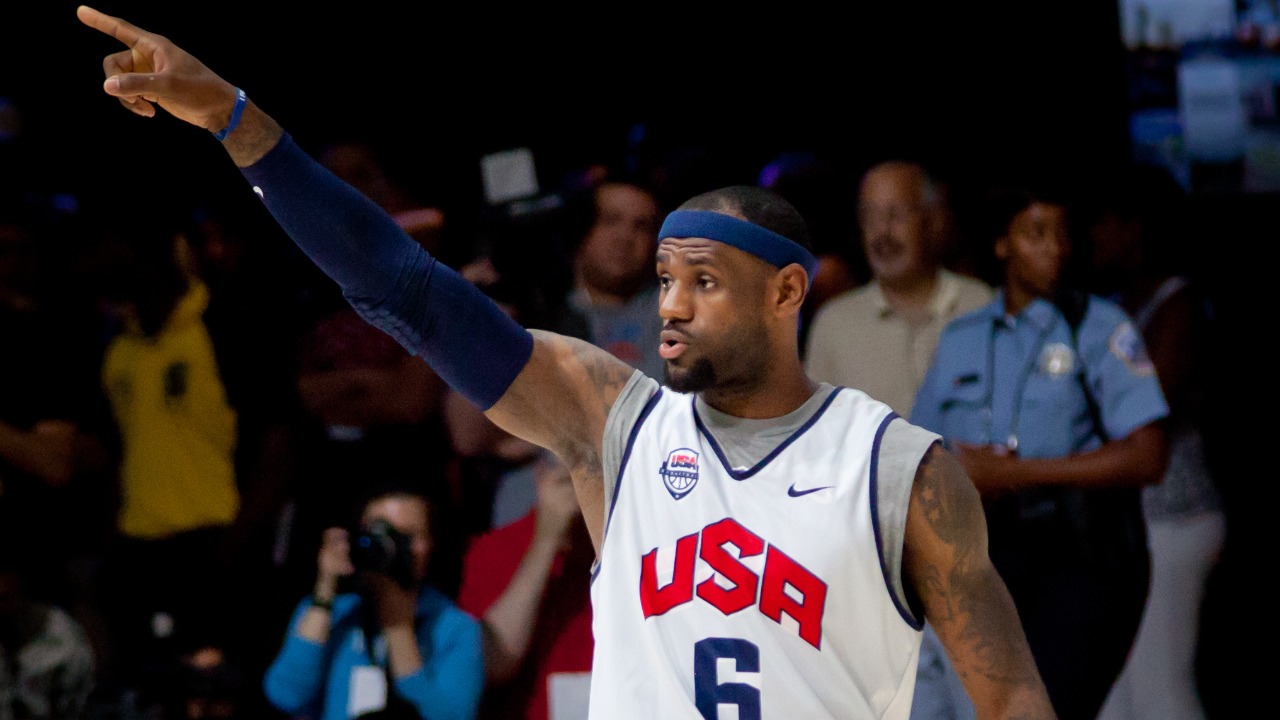
LeBron James, the NBA superstar and entrepreneur, is challenging conventional notions of success by emphasizing that true qualifications extend beyond traditional credentials like degrees or elite pedigrees. In a recent discussion highlighted on October 17, 2025, he advocates for a broader definition that includes resilience, adaptability, and real-world experience as key markers of potential. This perspective aims to inspire underrepresented individuals to pursue ambitious goals without feeling sidelined by perceived shortcomings.
LeBron James’s Evolution as a Thought Leader
LeBron James has successfully transitioned from being a basketball icon to an influential voice in business and personal development. His founding of the SpringHill Company in 2020 marked a significant step in this evolution. The media production firm focuses on diverse storytelling, reflecting James’s commitment to amplifying underrepresented voices. This initiative aligns with his broader vision of success, which values diverse experiences and perspectives over traditional credentials.
James’s commitment to redefining qualifications is also evident in his educational initiatives. The I Promise School in Akron, Ohio, which he launched in 2018, embodies his belief in holistic qualifications. The school provides education and support services to at-risk students, regardless of their academic starting points, emphasizing the importance of resilience and adaptability. In a 2024 podcast appearance, James stated, “You don’t need a fancy degree to change the world; you need grit and vision,” a sentiment that resonates with his own journey from high school straight to the NBA.
Redefining Qualifications in Today’s Economy
The professional landscape has undergone significant changes post-2020, with remote work and gig economies de-emphasizing formal education. LeBron James argues that “qualifications are earned through action, not just paper,” a stance he reiterated on October 17, 2025. His investments, such as his stake in Blaze Pizza since 2012, exemplify this approach. The chain has grown to over 300 locations by valuing operational savvy over Ivy League backgrounds in leadership hires, demonstrating that practical experience can drive success.
James’s message is particularly impactful for young entrepreneurs in underserved communities. It counters barriers highlighted by the 2023 statistic showing only 5% of Black Americans hold college degrees, yet 20% aspire to business ownership. By advocating for a broader definition of qualifications, James encourages these aspiring entrepreneurs to pursue their goals without being hindered by a lack of formal credentials.
Impact on Aspiring Professionals and Stakeholders
LeBron James’s viewpoint on qualifications has influenced major stakeholders, including corporations like Nike, which has partnered with him since 2003. Inspired by his advocacy, Nike has adopted inclusive hiring practices that prioritize diverse experiences and skills over traditional credentials. This shift reflects a broader trend in corporate America towards valuing diverse perspectives as a source of innovation and growth.
The ripple effects of James’s advocacy extend to education reform as well. The I Promise School expanded in 2025 to include vocational training programs that prioritize skills over GPAs. This expansion underscores the importance of equipping students with practical skills that align with the demands of today’s economy. Maverick Carter, a close associate of James, noted in a 2025 interview, “LeBron’s redefining success means opening doors for those who’ve been told they’re not ‘qualified’ from the start.”
Challenges and Future Implications
Despite the positive impact of LeBron James’s ideas, they have sparked ongoing debates. Traditional educators argue that credentials still provide essential structure, especially amid rising underemployment rates. These critics emphasize the role of formal education in ensuring a baseline of knowledge and skills necessary for professional success.
Looking ahead, James’s advocacy could lead to significant changes in workforce development policies. His foundation has pledged $10 million in 2025 grants for non-traditional training initiatives, signaling a commitment to supporting diverse pathways to success. This message is particularly timely amid 2025 economic uncertainties, as it challenges pre-pandemic norms where formal qualifications dominated hiring in 80% of Fortune 500 roles.

Cole Whitaker focuses on the fundamentals of money management, helping readers make smarter decisions around income, spending, saving, and long-term financial stability. His writing emphasizes clarity, discipline, and practical systems that work in real life. At The Daily Overview, Cole breaks down personal finance topics into straightforward guidance readers can apply immediately.