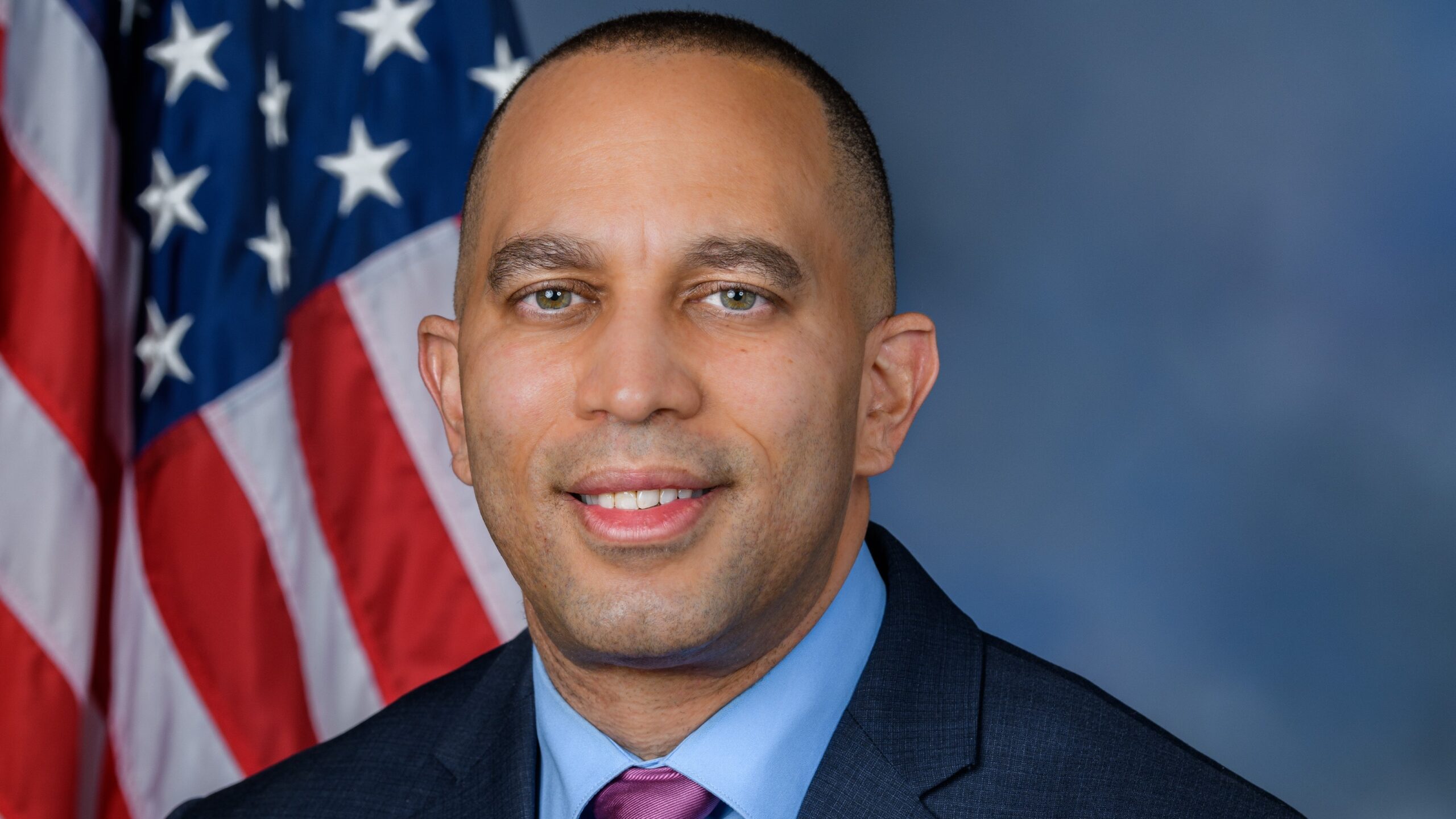
House Minority Leader Hakeem Jeffries, a Democrat from New York, said in a Fox News interview on February 22, 2026, that “out-of-control” costs in housing, groceries, healthcare and other household categories are fueling an affordability crisis that neither political party has resolved. His remarks follow a series of public appearances in which Jeffries has tried to shift the economic debate away from headline inflation numbers and toward the prices families actually pay each week. The strategy carries real political stakes as both parties position themselves ahead of the 2026 midterm elections.
Jeffries Rejects the “Inflation Is Down” Defense
During the Fox News Sunday interview, host Shannon Bream pressed Jeffries on positive macroeconomic signals, noting that “inflation is down, wage growth is up, it’s far outpacing inflation.” Jeffries dismissed that framing. “Costs haven’t gone down in the United States of America and everybody knows it,” he said, listing housing, groceries, electricity, healthcare, and childcare as categories where families still feel squeezed. He told Bream the Democratic caucus is focused on lowering the high cost of living, fixing what he called a broken healthcare system, and reining in immigration enforcement abuses.
The exchange captured a tension that has defined economic messaging for months. A slower rate of price increases, which is what falling inflation measures, does not erase the cumulative price gains that built up during 2021 through 2023. Jeffries has leaned into that gap repeatedly. At a press conference in late January, he put it bluntly: “The cost of living is way up, and the quality of life of the American people is way down.” That line, and variations of it, has appeared in nearly every Jeffries media hit since late 2025, suggesting a deliberate effort to make affordability the central Democratic counter-narrative to Republican claims of economic progress.
Federal Data Shows Shelter Still Driving Prices Higher
Government statistics give Jeffries partial backing. The Bureau of Labor Statistics reported that the Consumer Price Index for All Urban Consumers rose 0.2% on a seasonally adjusted basis in January 2026, with the 12-month increase standing at 2.4%. Shelter costs were the single largest contributor to the monthly gain, and the food index also climbed 0.2%. Energy prices fell 1.5% over the month, providing some relief at the pump but doing little to offset persistent housing and grocery burdens.
Independent research tells a similar story on housing specifically. The Harvard Joint Center for Housing Studies found in its 2025 State of the Nation’s Housing report that the combination of record-high prices and elevated interest rates had pushed home sales to their lowest level in roughly 30 years. Rents remain high, insurance premiums and property taxes are rising, and cost burdens across income levels have worsened. Those findings align with Jeffries’ repeated characterization of housing costs as “out of control,” though the data does not single out any one policy or party as the cause.
Tariffs and Healthcare as Pressure Points
Jeffries has increasingly argued that the affordability squeeze is being worsened by tariffs he associates with former President Donald Trump. On MSNBC the day before his Fox appearance, he argued that “as a result of the Trump tariffs, everyday Americans are paying thousands of dollars more in additional expense per year.” On CNBC the same week, he said “everyday Americans believe that life hasn’t gotten better for them under the Trump presidency. It’s actually gotten worse,” adding that tariffs have sat at the center of the administration’s economic agenda without delivering promised results. On February 20, Jeffries said the Supreme Court had rejected tariffs he described as illegal, and he released a statement urging Congress to block further unilateral trade action.
Healthcare is the other front. At a November 2025 press conference, Jeffries warned that the cost of living was “completely and totally out of control” and singled out the looming expiration of Affordable Care Act tax credits. He warned that premiums could jump by $1,000 or $2,000 per month for some enrollees if the subsidies lapsed, calling out Republicans for inaction. Those credits were set to expire on December 31. Whether they were extended, modified, or allowed to lapse carries direct consequences for millions of marketplace plan holders whose monthly budgets hinge on the subsidy amount.
More From The Daily Overview
*This article was researched with the help of AI, with human editors creating the final content.

Grant Mercer covers market dynamics, business trends, and the economic forces driving growth across industries. His analysis connects macro movements with real-world implications for investors, entrepreneurs, and professionals. Through his work at The Daily Overview, Grant helps readers understand how markets function and where opportunities may emerge.

