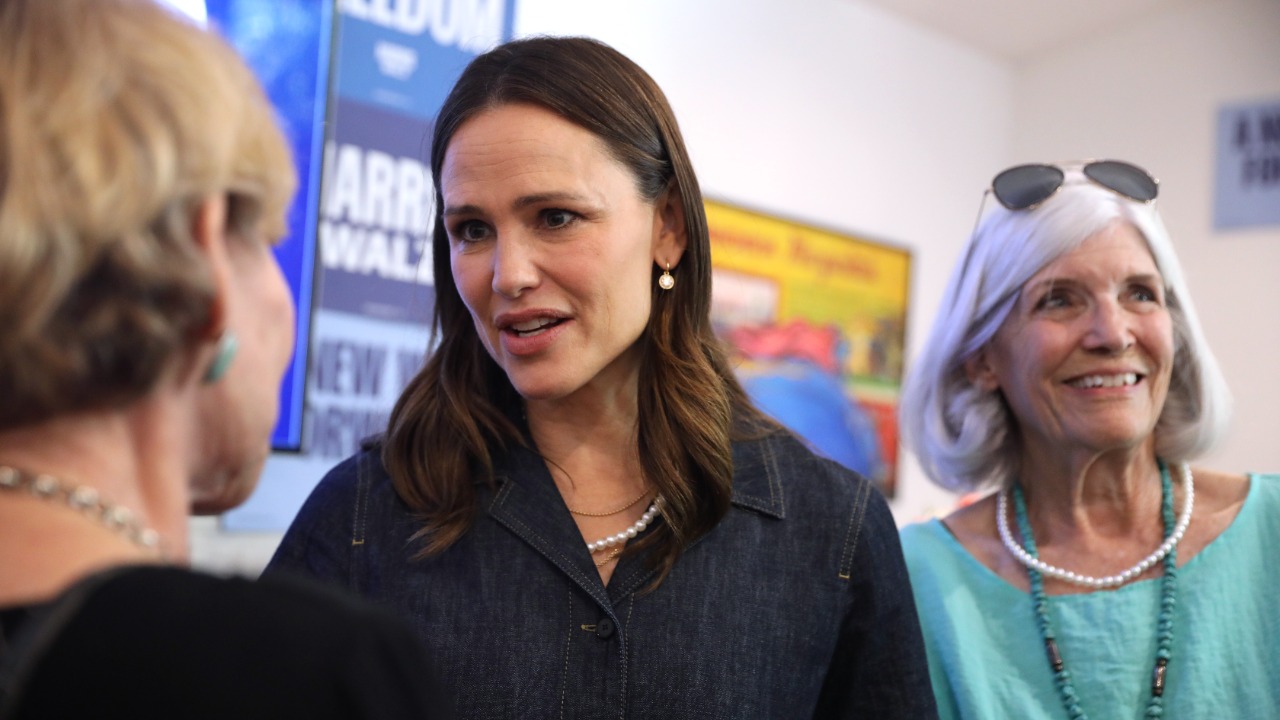
Jennifer Garner’s baby food company, Once Upon a Farm, has made a significant move by going public on the NYSE. This milestone marks a new chapter for the celebrity-backed brand, which has built its reputation on providing organic, farm-fresh products for children. While the IPO generated considerable buzz, questions remain about its long-term viability in a competitive market. Investors are now considering whether to invest in this venture amid broader economic uncertainties.
Once Upon a Farm’s Founding and Growth
Once Upon a Farm was co-founded by Jennifer Garner, who has been instrumental in shaping the company’s mission to provide nutritious, cold-pressure processed baby foods made from farm-sourced ingredients. Garner’s personal experiences as a mother seeking healthier alternatives to traditional baby foods have fueled her dedication to the brand. Since its inception, the company has achieved significant milestones, including diversifying its product line to include toddler meals and snacks. Partnerships with major retailers have expanded its reach, contributing to impressive revenue growth from $10 million in 2018 to over $100 million annually by 2023. This growth underscores the brand’s successful penetration into the competitive baby food market.
Details of the NYSE IPO Launch
The IPO for Once Upon a Farm was structured with the ticker symbol “FARM” and involved an initial offering of 10 million shares priced between $15 and $18 each. The company aimed to raise up to $180 million, as detailed in the filing on October 15, 2024. The proceeds were allocated with 60% directed towards scaling production facilities in California, while the remainder was earmarked for marketing and debt reduction. The IPO, led by underwriters like Goldman Sachs and Morgan Stanley, was initially planned for early 2025. However, the current timeline suggests that the IPO has already occurred, reflecting the dynamic nature of market conditions and investor interest.
Market Position in the Baby Food Industry
Once Upon a Farm has carved out a niche in the baby food industry by emphasizing organic certification and products with no added sugars. This differentiation positions the brand against industry giants like Gerber and Beech-Nut. The company’s products are available in over 20,000 stores nationwide, including Whole Foods and Target, with e-commerce contributing 25% of its revenue. Consumer trends, particularly the rising demand for clean-label products among millennial parents, have driven a 30% year-over-year growth for the company in 2024. This growth highlights the brand’s ability to capitalize on shifting consumer preferences towards healthier options.
Risks and Potential Post-IPO Stumbles
Despite the initial excitement, there are concerns about the company’s valuation, with the IPO targeting a $1.2 billion market cap. Some analysts view this as inflated, given the company’s $150 million in 2024 revenue and ongoing losses of $20 million. Additionally, the company’s reliance on seasonal farm sourcing in the U.S. Midwest presents supply chain vulnerabilities that could lead to price volatility or shortages. External factors, such as economic slowdowns, may also impact discretionary spending on premium baby foods, potentially causing a post-launch stock dip similar to other celebrity-endorsed brands. These risks underscore the challenges Once Upon a Farm faces in maintaining its momentum post-IPO.
Investment Worthiness Amid the Buzz
Despite the challenges, there is potential upside for investors. Jennifer Garner’s star power continues to boost brand visibility, and the company projects a path to profitability by 2026 through operational efficiencies. Some analysts rate the stock as a “buy” for long-term growth in the $50 billion global baby food market, while others caution about execution risks. For investors, a balanced approach is advisable, suggesting diversification and careful monitoring of the company’s first-quarter post-IPO performance for signs of sustained momentum. This strategy will help investors navigate the uncertainties and capitalize on potential growth opportunities.
More From TheDailyOverview

Grant Mercer covers market dynamics, business trends, and the economic forces driving growth across industries. His analysis connects macro movements with real-world implications for investors, entrepreneurs, and professionals. Through his work at The Daily Overview, Grant helps readers understand how markets function and where opportunities may emerge.