
Federal Reserve Chair Jerome Powell recently issued a warning to investors about potential risks in the stock market amid ongoing economic shifts. This cautionary statement coincided with a positive turn in the S&P 500, following Powell’s indication that the end of the Federal Reserve’s balance sheet drawdown is near. Historical patterns suggest that the S&P 500’s next moves could be influenced by rare market behaviors observed in similar conditions.
Powell’s Latest Remarks on Monetary Policy
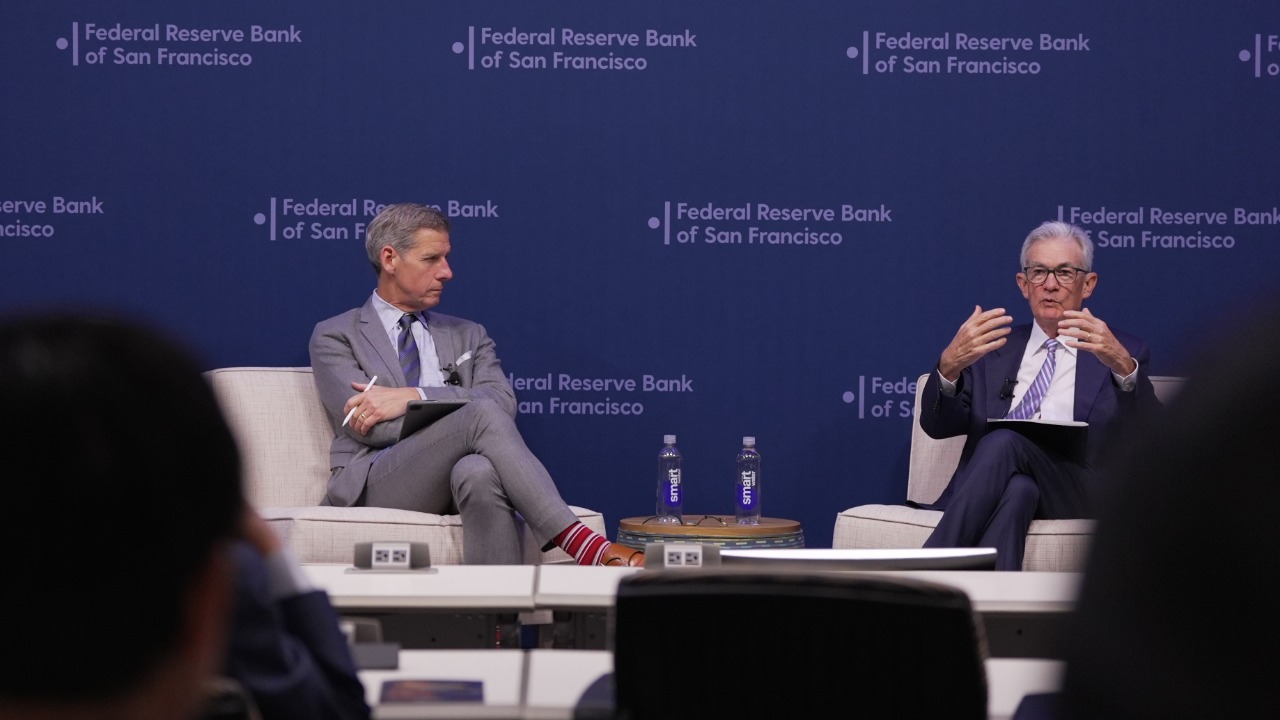
Jerome Powell’s recent comments have stirred significant attention in the financial markets. He highlighted that the Federal Reserve is nearing the conclusion of its balance sheet drawdown, a move that has implications for market stability. This strategic shift marks a departure from previous months, where the focus was more on aggressive interest rate adjustments and asset management strategies. Powell’s remarks underscore a pivotal moment in the Federal Reserve’s approach, suggesting a more cautious stance as it navigates the complexities of the current economic landscape. Investors are advised to remain vigilant as these changes could impact market dynamics significantly.
The immediate market reaction to Powell’s speech was notable. Both the Dow and the S&P 500 turned positive, reflecting investor optimism about the potential stabilization of monetary policy. This reaction underscores the sensitivity of the markets to Federal Reserve signals and the importance of Powell’s role in shaping investor expectations. The positive turn in the indices suggests that investors are hopeful about the implications of a more stable monetary policy environment, even as they remain wary of potential risks highlighted by Powell.
Current Signals in the Stock Market

The stock market is currently exhibiting unusual behavior, a phenomenon that has been witnessed only in rare historical instances. This deviation from recent trends has caught the attention of analysts and investors alike. The S&P 500’s recent positive movement, in response to policy updates, contrasts sharply with the volatility seen in the past quarter. This shift indicates a potential change in market sentiment, driven by Powell’s recent remarks and the broader economic context.
Investor sentiment has been notably affected by Powell’s cautionary tone on stock market risks. His warnings have prompted a reevaluation of investment strategies, as stakeholders consider the implications of potential market corrections. The current market environment, characterized by rare patterns and deviations from historical norms, presents both challenges and opportunities for investors. Understanding these dynamics is crucial for navigating the complexities of the stock market in the coming months.
Historical Patterns and S&P 500 Predictions

Examining past occurrences where the stock market exhibited similar rare actions provides valuable insights into potential future trends. Historical data suggests that the S&P 500’s performance in such conditions can vary significantly, depending on the broader economic context and Federal Reserve policies. These precedents offer a framework for understanding what might happen next, as investors look to historical patterns to guide their expectations.
History predicts that the S&P 500 could experience fluctuations following Federal Reserve balance sheet adjustments. These predictions are based on past instances where similar policy shifts led to notable market movements. However, the current environment, with its unique challenges and opportunities, may alter the outlook from earlier projections. Investors must consider these historical insights while also accounting for recent policy signals and economic developments.
Impacts on Key Stakeholders
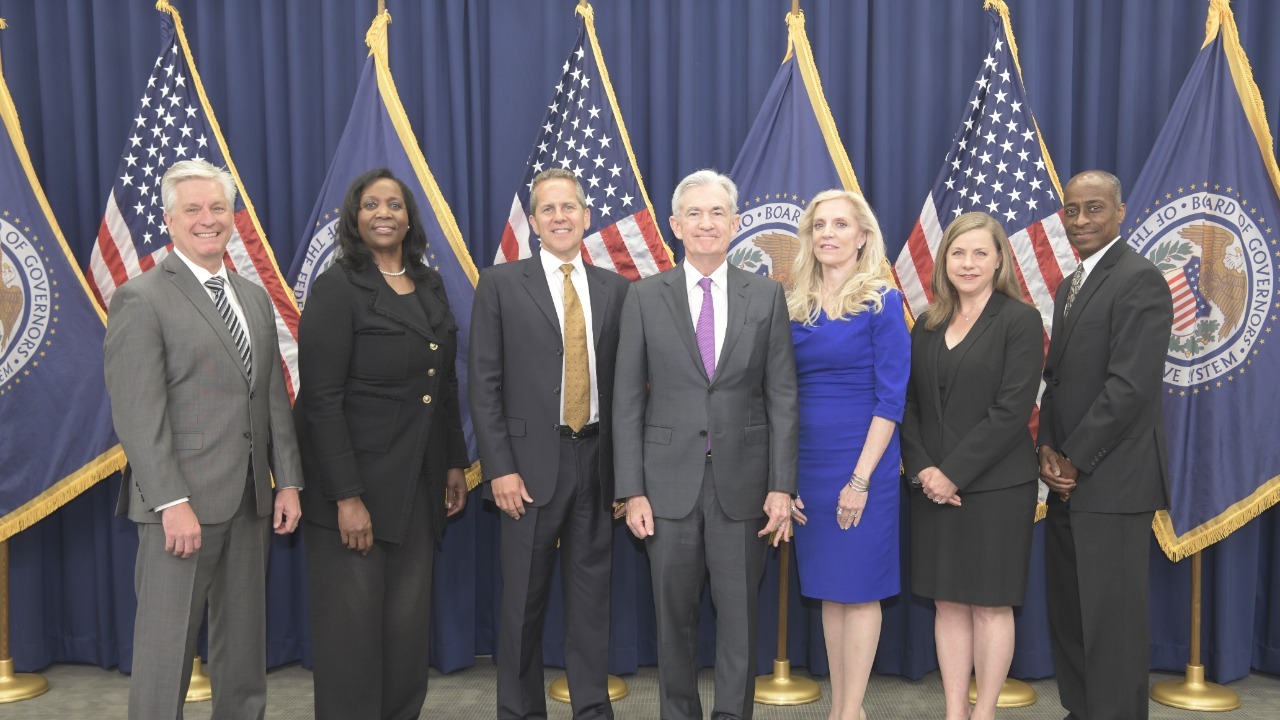
The effects of Powell’s warnings are being felt across various segments of the investment community. Individual investors, in particular, are responding to these signals by adjusting their strategies to navigate the predicted movements of the S&P 500. This involves a careful analysis of market trends and a reassessment of risk tolerance, as stakeholders seek to protect their portfolios from potential volatility.
Broader market participants, including institutional investors, are also reacting to the end of the balance sheet drawdown. This shift has prompted changes in asset allocation and investment strategies, as institutions seek to align their portfolios with the new monetary policy landscape. The economic ripple effects of these rare market patterns are significant, with certain sectors more vulnerable to changes in the S&P 500. Understanding these dynamics is crucial for stakeholders aiming to capitalize on emerging opportunities while mitigating risks.
In conclusion, Jerome Powell’s recent warnings and the Federal Reserve’s policy shifts have significant implications for the stock market and its stakeholders. As investors navigate this complex environment, understanding historical patterns and current signals is essential for making informed decisions. The coming months will be critical in determining the direction of the S&P 500 and the broader market, as stakeholders adapt to the evolving economic landscape.
For more detailed insights, you can read the full reports on The Motley Fool.

Grant Mercer covers market dynamics, business trends, and the economic forces driving growth across industries. His analysis connects macro movements with real-world implications for investors, entrepreneurs, and professionals. Through his work at The Daily Overview, Grant helps readers understand how markets function and where opportunities may emerge.

