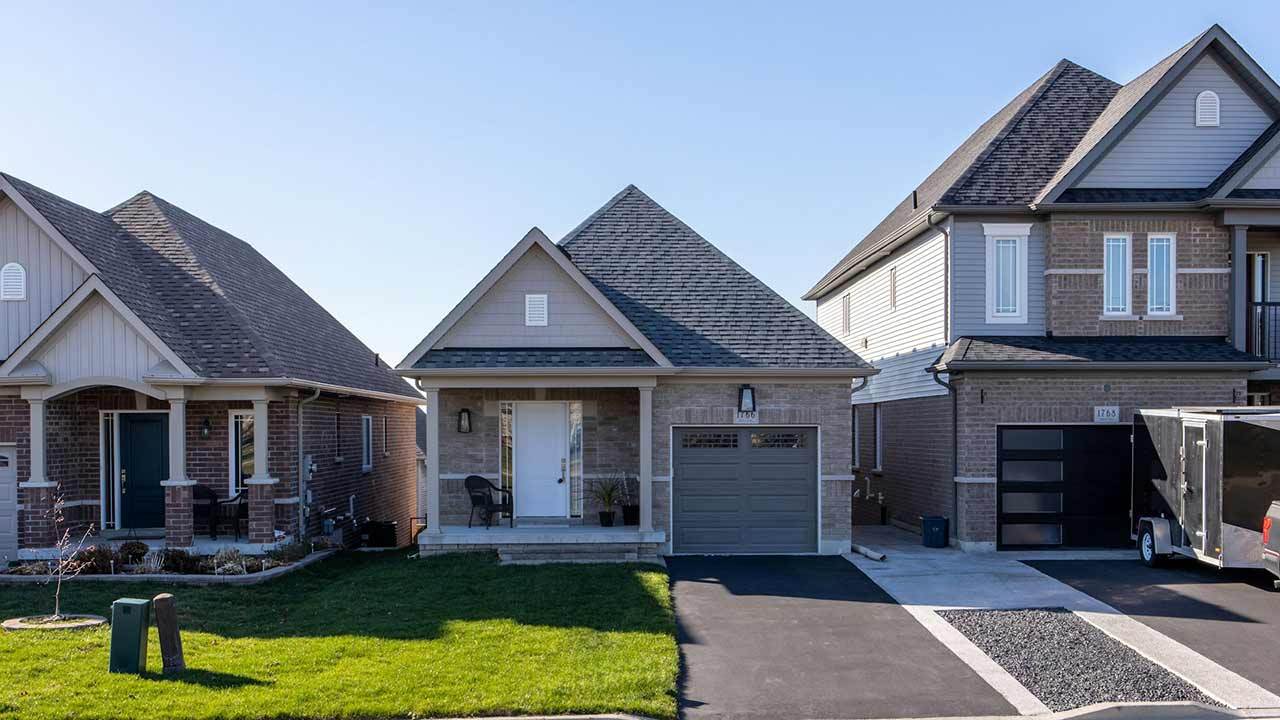
Fractional real estate isn’t new, but tech has changed the game. Platforms like Pacaso and others are making it easier than ever to co-own homes with strangers. For buyers priced out of full ownership—or investors looking for a hands-off option—these platforms offer a foot in the door without taking on the whole mortgage.
But as the space grows, so do the risks. Co-ownership comes with its own rules, responsibilities, and fine print. The upside is real, but you’ve got to know what you’re getting into.
How Co-Owning Platforms Work

These companies buy high-end properties, split ownership into fractions, and let multiple people buy in—usually with 1/8 or 1/4 shares. You get legal ownership, scheduled usage, and potential equity upside. The platform handles everything: maintenance, scheduling, and management.
It feels like Airbnb meets a timeshare—but with real ownership, not just usage rights. For many, it’s a way to access vacation homes or build real estate exposure without the full cost.
The Appeal Is All About Access and Convenience
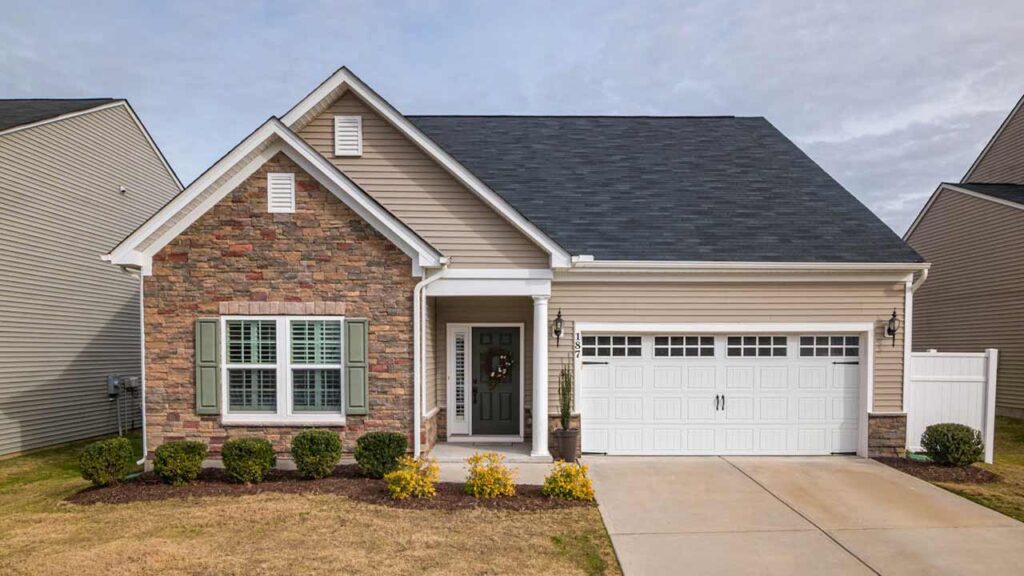
In markets where home prices have doubled, these platforms let buyers get a slice without stretching their finances. It’s especially appealing for second homes, short-term rental markets, or people who want to invest without becoming landlords.
They also handle the messy stuff—cleaning, booking calendars, property taxes. That turnkey structure is a big selling point, especially for busy professionals and out-of-state buyers who want passive involvement.
But There’s a Catch: You’re Not in Control

Co-ownership means shared decisions. You don’t get to remodel the kitchen on a whim or Airbnb the property whenever you want. Most platforms have tight rules about use, scheduling, and resale. If the group disagrees or someone stops paying, things get messy fast.
You’re also relying on the platform’s long-term stability. If they shut down, sell off assets, or change policies, your ownership could get complicated. Always read the management agreement before signing anything.
Liquidity Isn’t Guaranteed

One of the biggest misconceptions is that these shares are easy to sell. In reality, fractional ownership can be tricky to offload—especially if the market cools or if the platform restricts who you can sell to.
Some platforms offer internal resale markets, but you’re still relying on demand to stay high. If you need to exit early, you might have to discount your share or wait months to find a buyer.
The Numbers Still Need to Make Sense

Just because it’s cheaper than full ownership doesn’t mean it’s cheap. Management fees, maintenance reserves, and platform markups can eat into returns. Make sure you’re running the numbers like you would with any rental or investment property.
If you’re buying for lifestyle, that’s one thing. But if your goal is appreciation or cash flow, you need to understand the cost structure—and whether the property is priced fairly from the start.
Bottom Line: Know What You’re Signing Up For
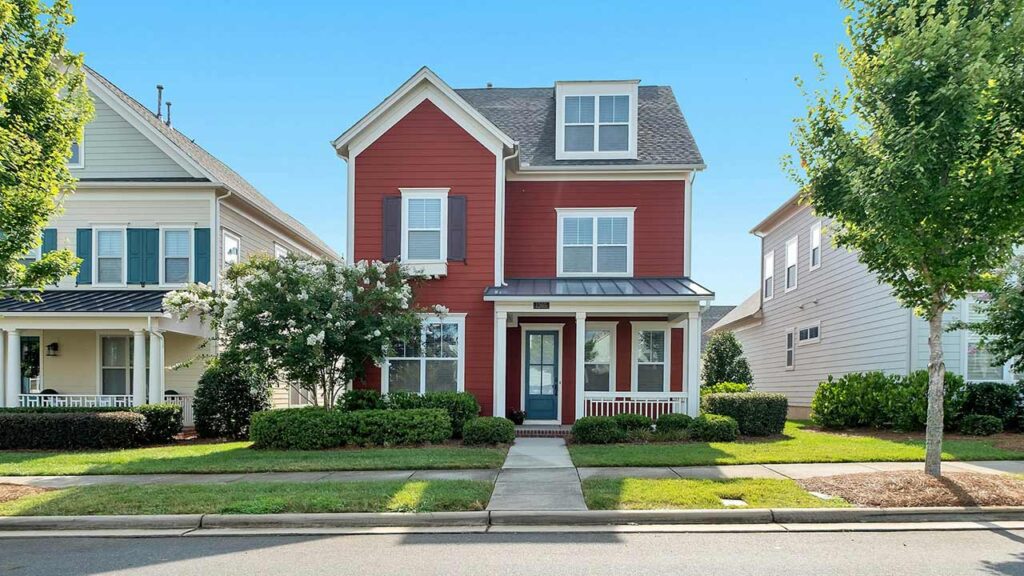
Real estate co-ownership platforms are opening doors, no question. But they’re not passive income machines or get-rich-quick schemes. They’re real investments, with real risks and real responsibilities—shared between strangers.
If you go in eyes open, with the right property and the right expectations, it can be a smart way to diversify or access lifestyle upgrades. Just don’t confuse convenience with control.

Elias Broderick specializes in residential and commercial real estate, with a focus on market cycles, property fundamentals, and investment strategy. His writing translates complex housing and development trends into clear insights for both new and experienced investors. At The Daily Overview, Elias explores how real estate fits into long-term wealth planning.

