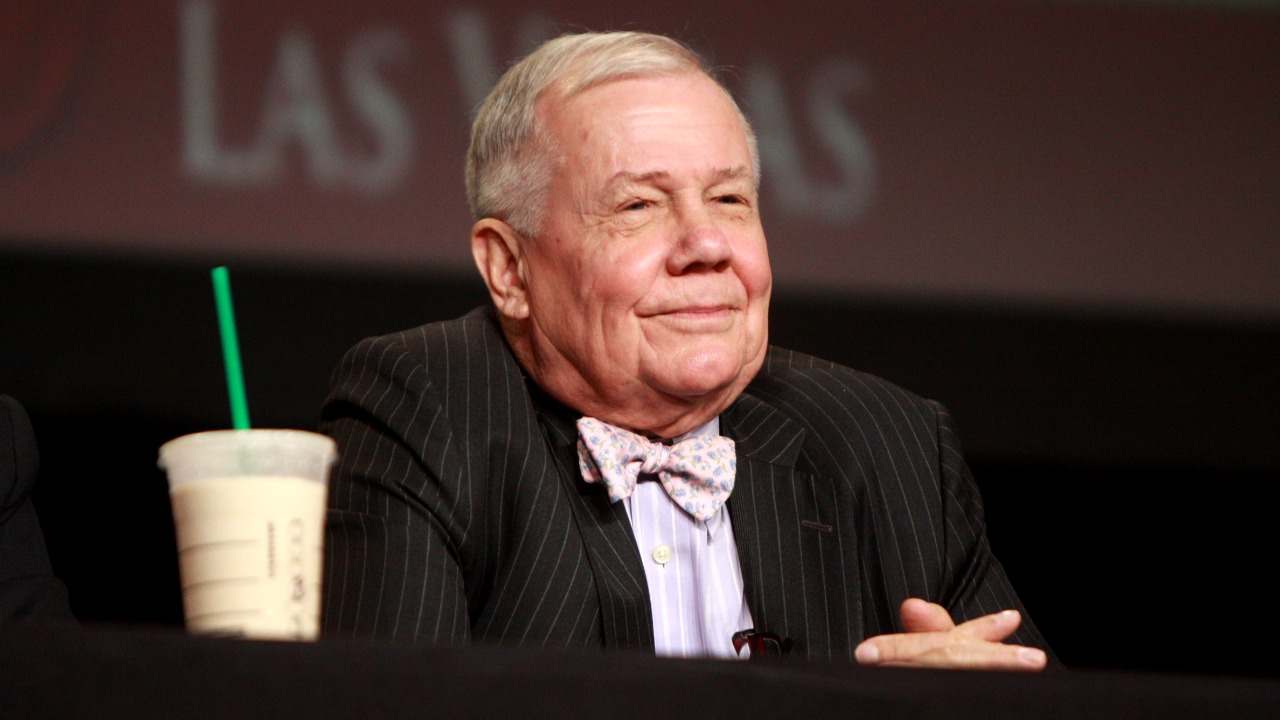
Renowned investor Jim Rogers has made a bold move by selling all his US stocks, a decision that has captured the attention of financial markets and investors worldwide. Delving into the motivations behind Rogers’ decision reveals the economic, political, and personal factors that influenced his choice. Understanding these elements provides valuable insights into the current state of the US economy and stock market.
Economic Concerns

Market Overvaluation
Jim Rogers has long been vocal about his concerns regarding the overvaluation of US stocks. He frequently warns that the inflated prices seen in the market today may not be sustainable in the long term. Drawing parallels to historical market bubbles, he suggests that current market conditions mirror those that preceded significant downturns in the past. The impact of quantitative easing and prolonged low interest rates has further exacerbated these concerns, pushing stock valuations to unprecedented levels.
As interest rates remain historically low, investors have been driven towards equities in search of higher returns, leading to what many, including Rogers, view as an unsustainable bubble. His perspective is that these market conditions are ripe for correction, as seen in previous episodes of economic exuberance. For more on his views, you can read the full article.
Debt Levels
Another significant concern for Rogers is the growing national debt, which he sees as a looming threat to economic stability. The increasing debt burden not only impacts investor confidence but also alters market dynamics, potentially leading to adverse outcomes for the US dollar and inflation. Rogers has been consistent in his warnings that unchecked debt could lead to severe economic repercussions, including decreased purchasing power and higher interest rates.
His perspective is that such fiscal irresponsibility ultimately undermines the economic foundation, making the US less attractive to investors. This belief has driven him to seek opportunities elsewhere, where he perceives less risk associated with sovereign debt. For more insights, refer to the source discussing his analysis.
Geopolitical Influences
Global Diversification Strategy
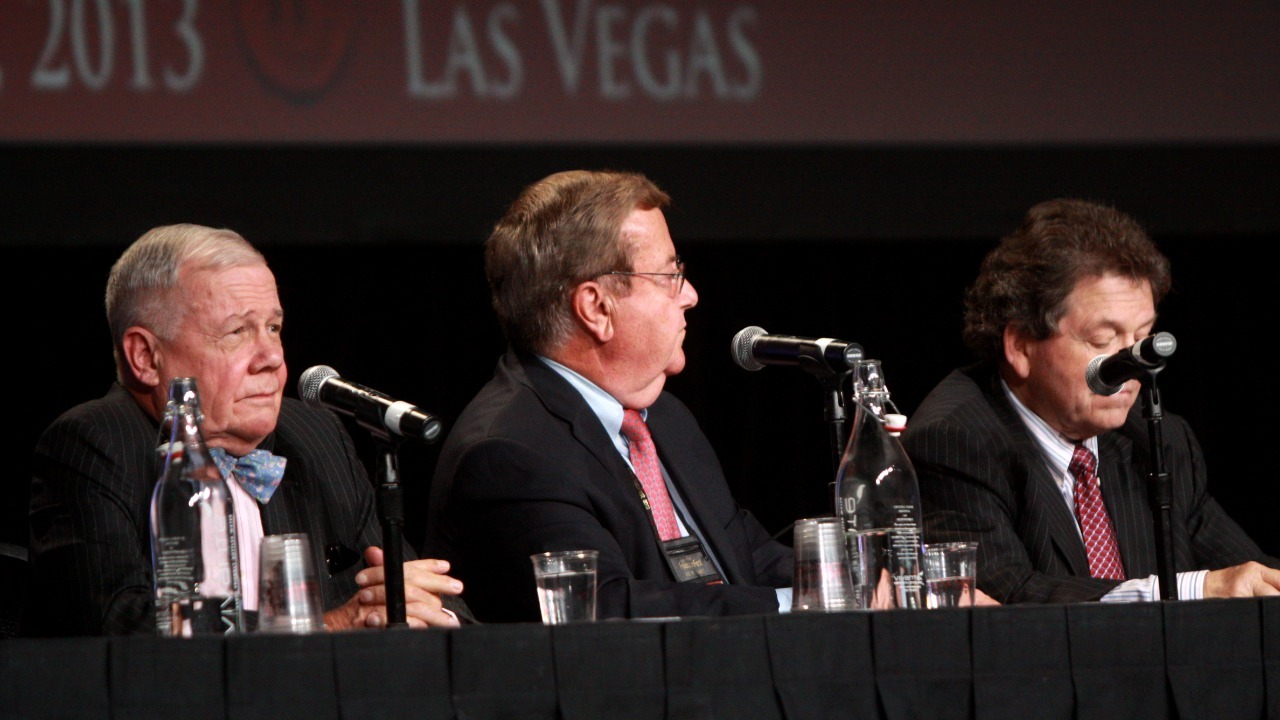
Rogers’ decision to sell his US stocks is partly driven by his strategy to diversify globally amid rising geopolitical tensions. By shifting his investments towards emerging markets and commodities, he aims to hedge against risks centered in the US. This strategy is influenced by the uncertainty in US-China relations and other global events, which Rogers believes could have significant ramifications on American markets.
His investment philosophy emphasizes the importance of being geographically diversified to mitigate risks associated with a single country’s economic policies or political instability. For more on his diversification strategy, see this reference.
Regulatory and Political Environment
Rogers has expressed his concerns about the US regulatory landscape and political climate, which he perceives as contributing to market uncertainty. Potential changes in regulations could have significant impacts on market performance, posing additional risks for investors. The current political polarization and policy decisions add another layer of unpredictability, complicating the economic outlook.
Rogers’ view is that these factors make the US market less appealing, prompting him to seek more stable and predictable investment environments. His approach reflects a cautious assessment of how political and regulatory developments can influence financial markets. To explore his views further, visit this discussion.

Elias Broderick specializes in residential and commercial real estate, with a focus on market cycles, property fundamentals, and investment strategy. His writing translates complex housing and development trends into clear insights for both new and experienced investors. At The Daily Overview, Elias explores how real estate fits into long-term wealth planning.

