
The U.S. Department of Labor has unexpectedly frozen $300 million in funding for job training programs aimed at older adults, leaving many scrambling for alternatives. This decision impacts approximately 40,000 seniors who rely on these programs to enhance their skills and remain competitive in the job market. As the freeze coincides with new requirements for Medicaid and food assistance, it has sparked concern among advocates and policymakers.
The Impact of the Freeze on Seniors

The immediate consequences of the funding halt are already making waves. Current trainees and program facilitators are facing uncertainty, with some programs potentially halting their activities. This disruption affects not only the seniors enrolled in these programs but also the staff who facilitate them, potentially leading to layoffs. The sudden stop in training activities leaves older adults without the resources they rely on to improve their employability, a crucial aspect given the shifting demands of the modern workforce.
In the long term, the freeze could significantly impact the employability of older adults, a demographic already facing unique challenges in the job market. According to a report by the U.S. Department of Labor, older workers often encounter ageism and difficulty in acquiring new skills quickly. Without access to training, these challenges may become insurmountable for many, further widening the employment gap and exacerbating financial insecurities among seniors.
Reasons Behind the Funding Freeze

The Labor Department’s decision to freeze the funds seems rooted in shifting policy priorities. While specific details remain sparse, budgetary constraints and a reevaluation of resource allocation appear to be key factors. The freeze coincides with broader policy changes, including new requirements for Medicaid and food assistance, as reported by McKnight’s Senior Living. The intersection of these changes highlights a possible prioritization of resources that may have influenced this decision.
Administrative challenges might also play a role in the funding halt. Bureaucratic inefficiencies and potential mismanagement within the department could have contributed to the sudden stop. Addressing these internal issues may be crucial to resolving the funding freeze and restoring confidence in the department’s ability to manage and allocate resources effectively.
Reactions and Responses
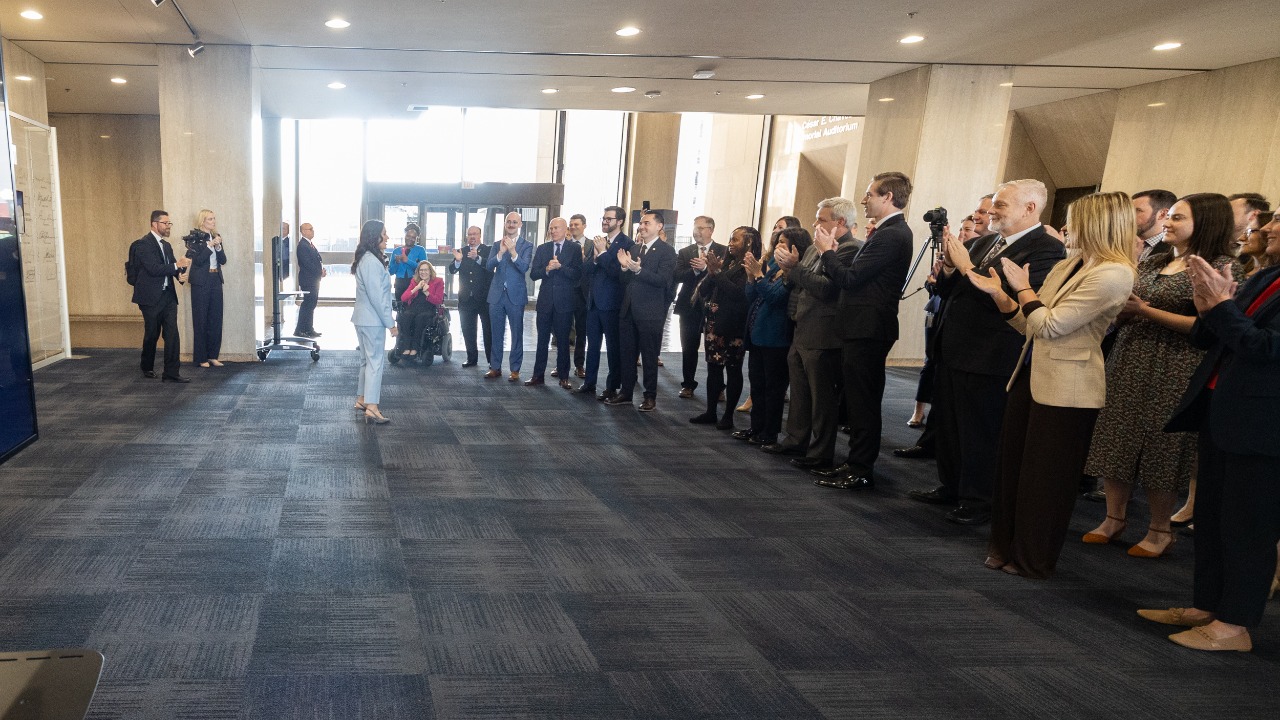
The response from advocacy groups and policymakers has been swift and vocal. Calls for the reinstatement of funds have come from various quarters, emphasizing the critical role these programs play in supporting older workers. Affected individuals and their families are expressing concern over the lack of alternatives, urging the government to reconsider its stance. CNN reports that many are advocating for a reversal of the decision, highlighting the potential societal costs of leaving older adults without necessary training opportunities.
On the legislative front, there are indications of possible actions to address the funding freeze. Policymakers are exploring various measures, including amendments and new legislation, aimed at restoring or reallocating funds. These efforts may offer a glimmer of hope for seniors and program facilitators looking for a resolution to the current impasse.
Alternative Support and Future Prospects
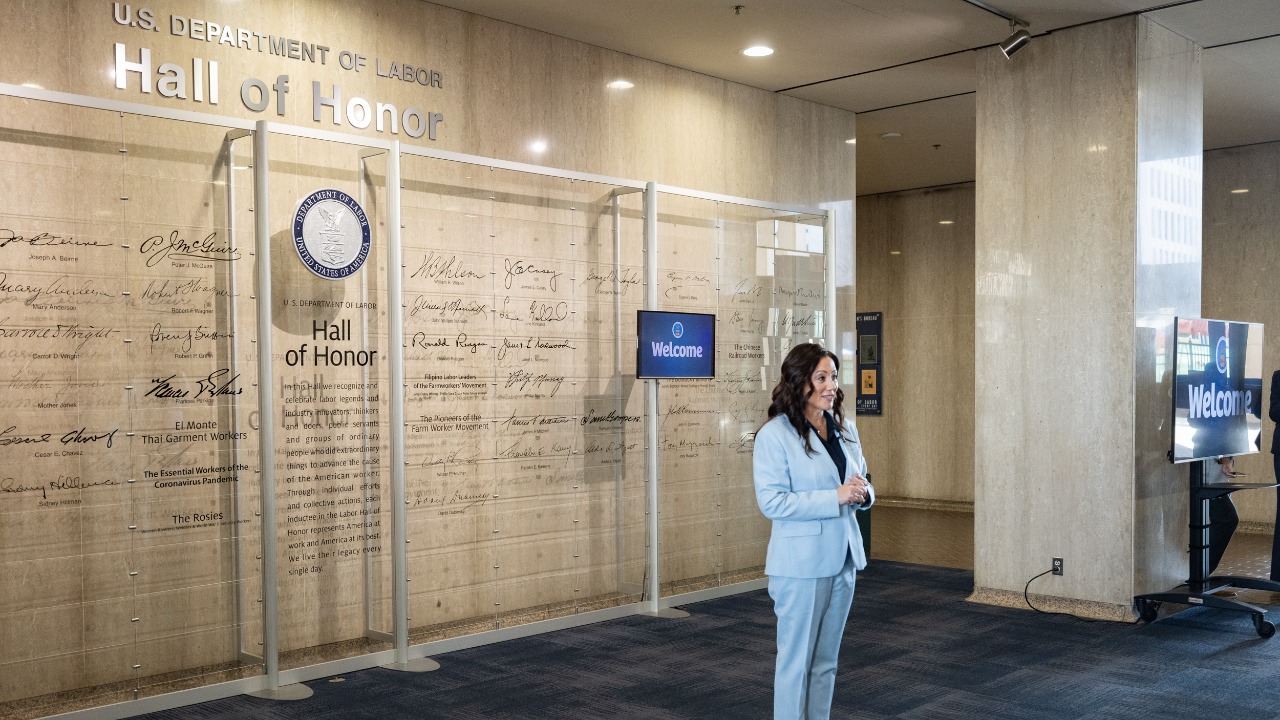
In light of the funding freeze, exploring alternative job training resources becomes essential. Various community organizations and private entities may offer support systems to fill the gap left by federal funding. For instance, local community colleges and non-profits might provide workshops and courses tailored for older adults seeking to update their skills.
Looking forward, the potential reinstatement of funds or introduction of new legislation could redefine the landscape for older adults’ job training opportunities. The situation remains dynamic, with ongoing discussions and advocacy efforts. By staying informed and proactive, stakeholders can continue to push for changes that ensure older workers are not left behind in the evolving job market. For further insights into improving training for older workers, the Heldrich Center’s report offers valuable perspectives.

Grant Mercer covers market dynamics, business trends, and the economic forces driving growth across industries. His analysis connects macro movements with real-world implications for investors, entrepreneurs, and professionals. Through his work at The Daily Overview, Grant helps readers understand how markets function and where opportunities may emerge.

