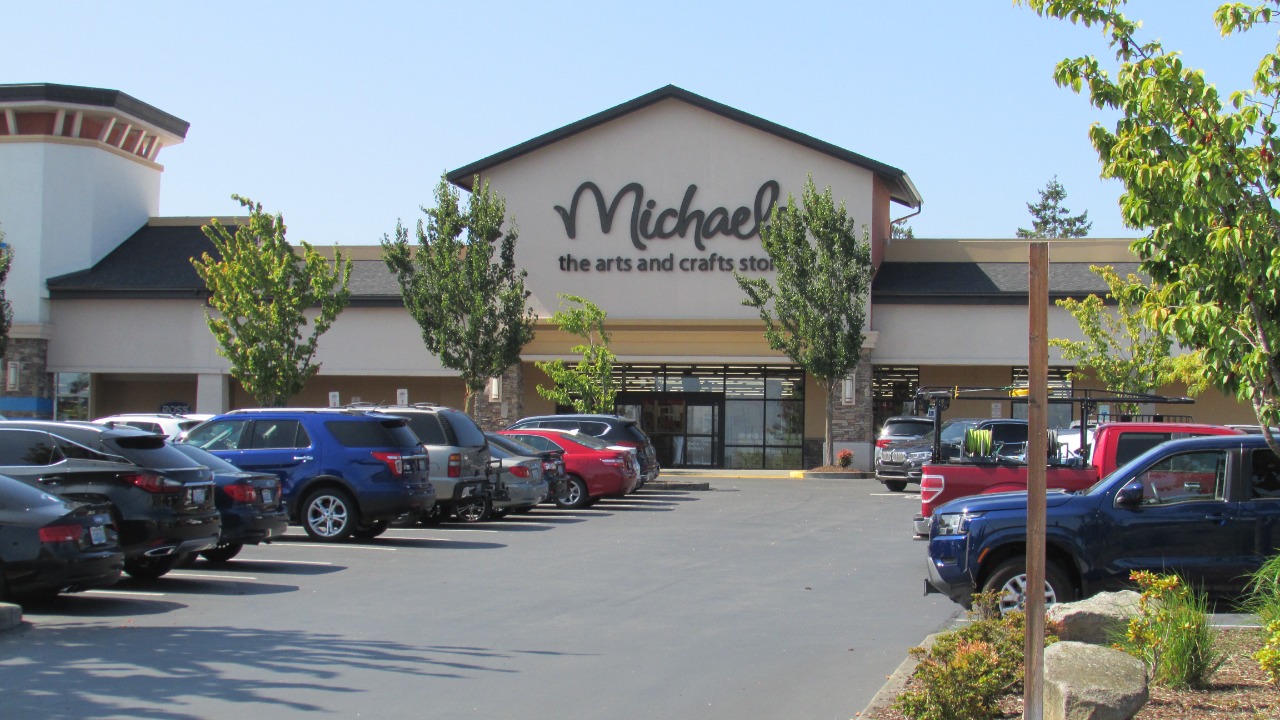
The retail landscape is undergoing significant changes as Michaels, a leading arts and crafts retailer, expands its footprint while competitors like Joann and Party City face store closures due to bankruptcy. Strategic maneuvers by Michaels are allowing it to capitalize on this shift, with broader implications for the retail industry as a whole.
The Retail Apocalypse: Understanding the Context
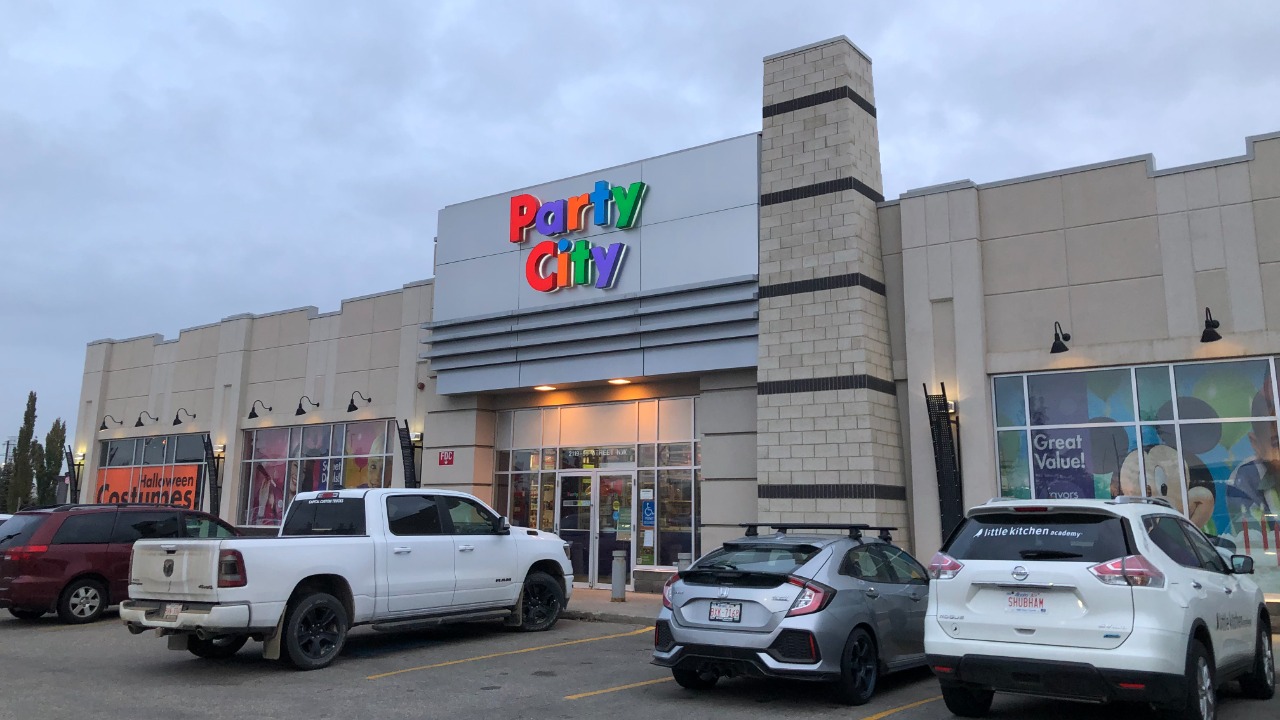
Joann and Party City have been facing significant challenges, leading to their eventual bankruptcies and subsequent store closures. These difficulties are not isolated incidents but part of a broader wave of retail bankruptcies affecting various sectors, including arts and crafts. Economic pressures, shifts in consumer preferences, and increasing competition have made survival difficult for many traditional retailers.
The trend of retail bankruptcies has had a profound effect on the arts and crafts sector. As consumer shopping habits evolve, there is a noticeable shift toward online shopping and experiences that brick-and-mortar stores struggle to replicate. This transition has pressured retailers like Joann and Party City to adapt, yet their inability to do so effectively has led to their current predicament.
Michaels’ Strategic Expansion Amid Competitor Closures
Michaels has seized the opportunity presented by the closures of its competitors. A key strategic move was the acquisition of intellectual property and private label brands from Joann. This acquisition not only strengthens Michaels’ product lineup but also allows it to appeal to Joann’s existing customer base.
Furthermore, Michaels is leveraging the closure of competitor stores to increase its market share and customer base. By strategically opening new locations in areas where Joann and Party City once operated, Michaels is positioned to attract customers seeking alternatives. These efforts are complemented by enhancements to its product offerings and in-store experience, which include a focus on quality and variety.
Financial Health and Performance of Michaels
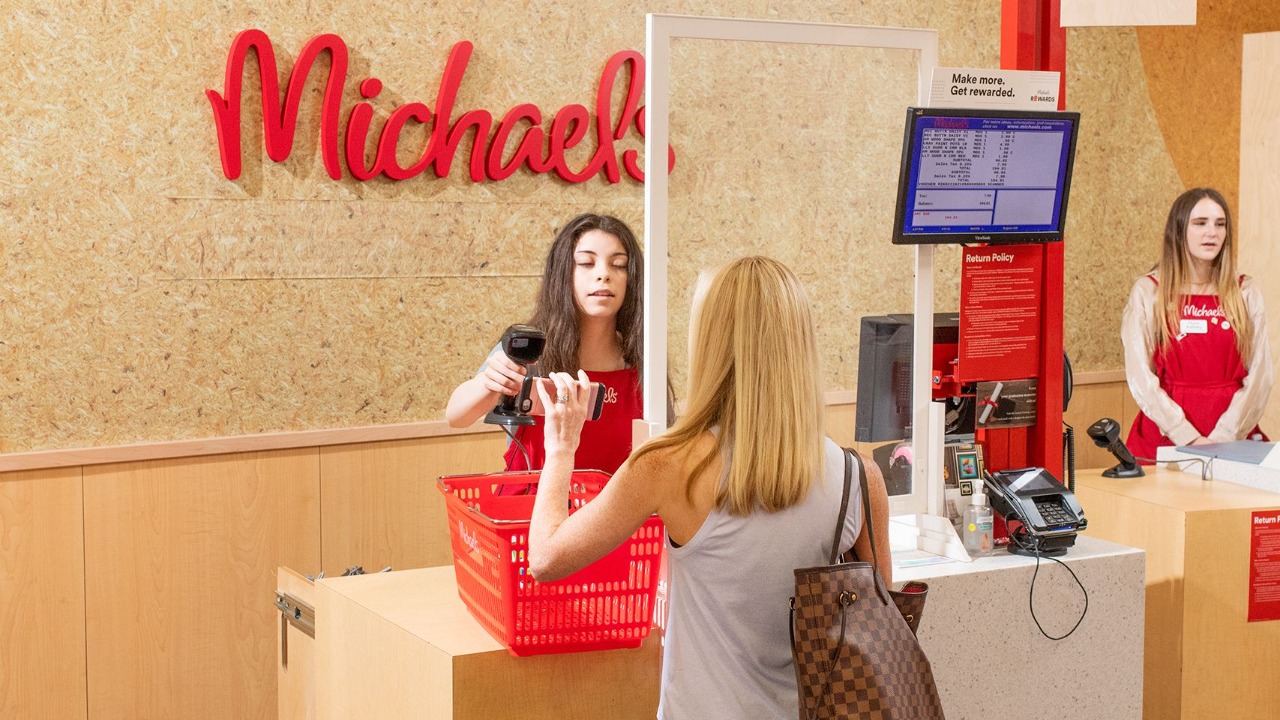
In contrast to its struggling competitors, Michaels has demonstrated strong financial health and performance. The company has invested heavily in technology and supply chain improvements to boost efficiency and reduce costs. These investments are paying off, as evidenced by a positive trend in recent financial results.
Shareholder reactions have been favorable, with increased market confidence in Michaels’ growth strategy. This confidence is bolstered by the company’s commitment to innovation and its ability to adapt to changing market conditions. As Michaels continues to expand, it remains a robust player in the retail landscape, offering lessons for other retailers facing similar challenges.
Consumer Trends and the Future of Arts and Crafts Retail
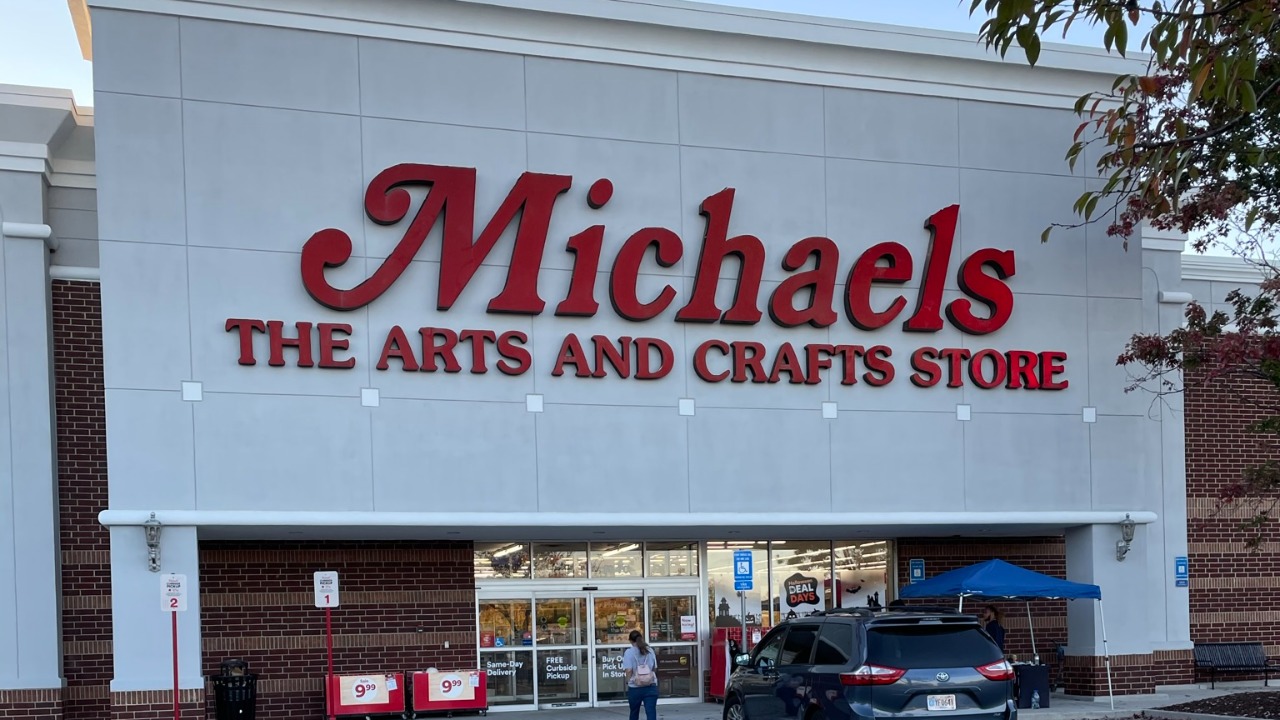
Current consumer trends in the arts and crafts industry are evolving, and Michaels is tapping into these changes. The growing popularity of DIY projects, coupled with a focus on home-based creativity, has provided Michaels with a unique opportunity to engage with a diverse customer base. The company is utilizing e-commerce and omnichannel strategies to facilitate this engagement, ensuring a seamless shopping experience across all platforms.
Looking ahead, the future of arts and crafts retail will likely be shaped by technological advancements and consumer demand for personalized experiences. Michaels is well-positioned to lead this transformation, as it continues to innovate and adapt to the needs of its customers. As the industry evolves, Michaels’ strategies will serve as a blueprint for success in a challenging retail environment.
Lessons Learned and Implications for the Retail Industry
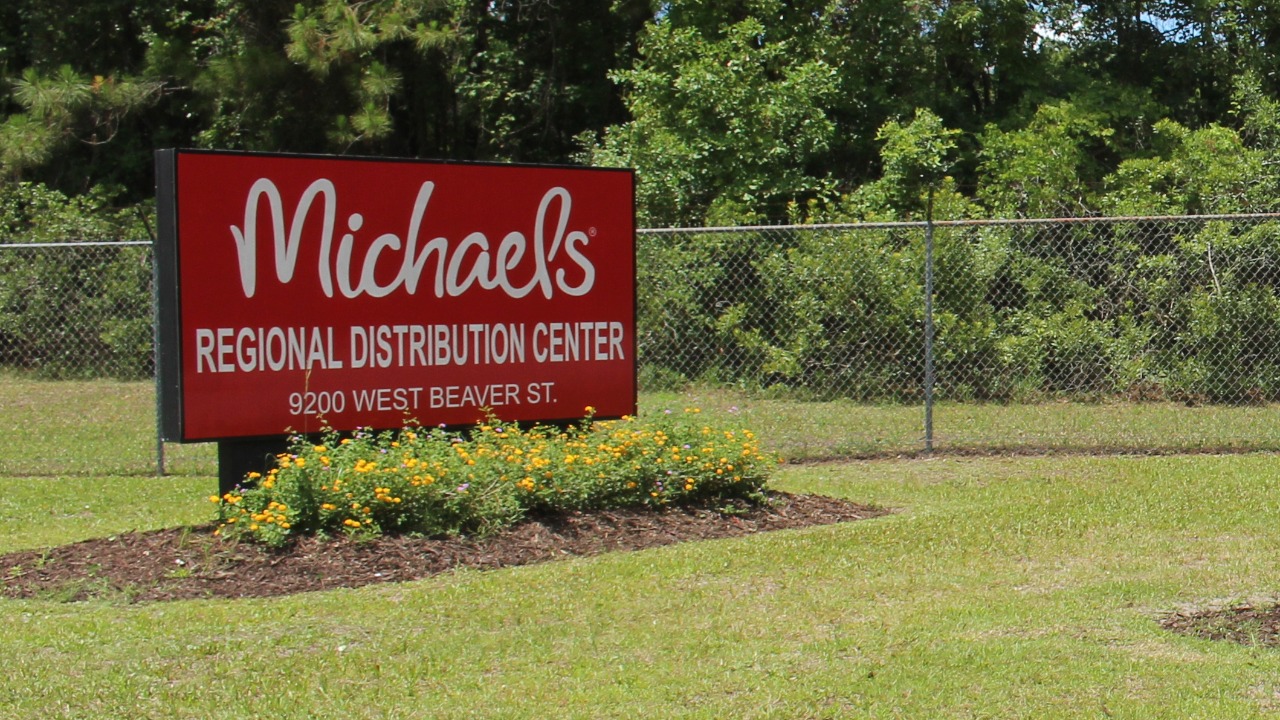
Michaels’ growth amid competitor bankruptcies provides key takeaways for the broader retail industry. Agility and innovation are paramount for retailers looking to withstand market disruptions. By adapting quickly to changing consumer preferences and investing in technology, Michaels has set a precedent for other retailers aiming to remain competitive.
The implications for small businesses and independent retailers in the arts and crafts space are significant. While larger players like Michaels have the resources to navigate challenging times, smaller retailers must find niche markets and unique value propositions to survive. As the industry continues to evolve, the ability to innovate and remain flexible will determine the future success of many retailers.

Grant Mercer covers market dynamics, business trends, and the economic forces driving growth across industries. His analysis connects macro movements with real-world implications for investors, entrepreneurs, and professionals. Through his work at The Daily Overview, Grant helps readers understand how markets function and where opportunities may emerge.