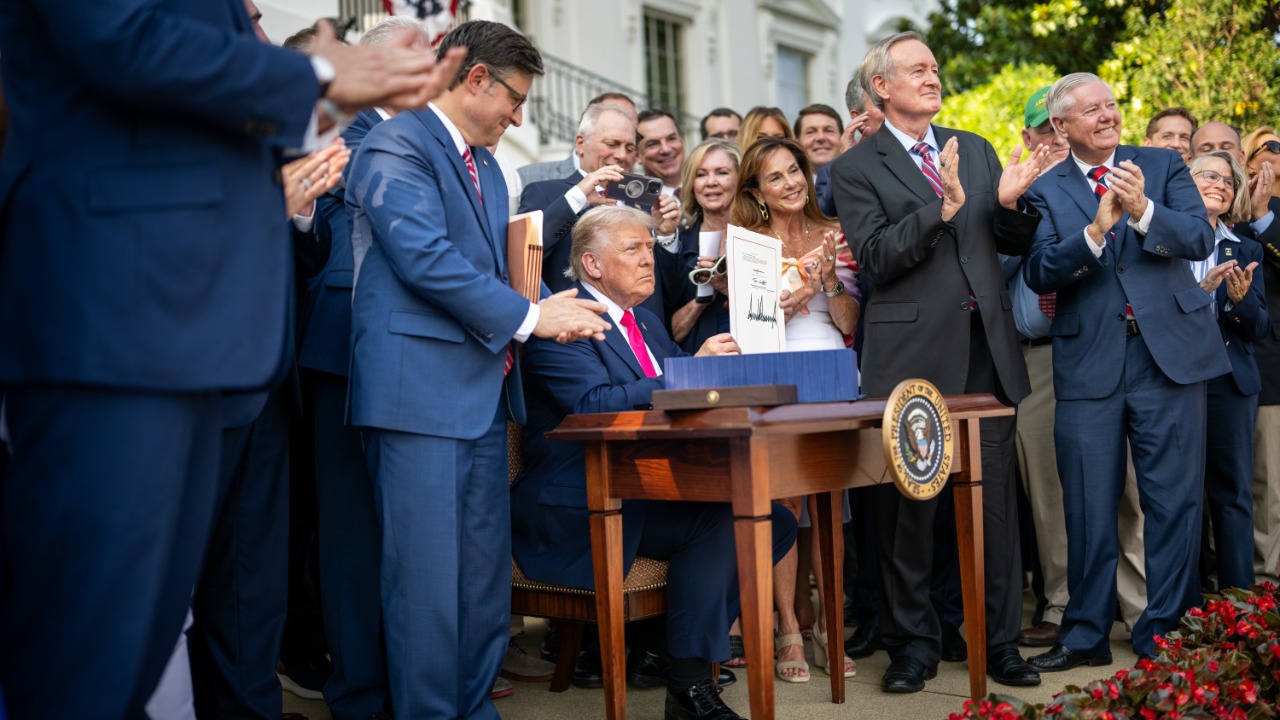
A recent study has illuminated the staggering impact of the “One Big Beautiful Bill Act,” revealing that it adds trillions to the federal debt. While initially praised for its ambition, this tax law is now under scrutiny for its long-term economic implications.
The Origins and Intentions of the One Big Beautiful Bill Act

The “One Big Beautiful Bill Act” emerged from a unique political and economic climate characterized by calls for sweeping reforms. Legislated during a period of heightened fiscal optimism, the Act was a response to demands for tax relief and economic stimulation. Its inception was heavily influenced by prevailing political ideologies that favored deregulation and tax cuts as pathways to economic growth. The Act aimed to revitalize the economy by reducing the tax burden on individuals and corporations, under the belief that these changes would spur investment and consumption.
Key proponents of the Act included influential political figures and economists who argued that significant tax reductions would lead to unprecedented economic expansion. They emphasized the potential for job creation and increased competitiveness in the global market. At the time of its introduction, the Act was heralded with promises of economic growth and tax relief, with assurances that it would not only pay for itself but also increase government revenues through heightened economic activity.
Mechanisms of the Tax Law

The “One Big Beautiful Bill Act” incorporated several major provisions designed to overhaul the tax landscape. Among its key components were significant reductions in corporate tax rates, adjustments to individual tax brackets, and the introduction of new deductions aimed at incentivizing business investments. These changes were intended to create a more favorable environment for economic growth by increasing disposable income and encouraging corporate expansion.
The Act was anticipated to impact various economic sectors differently. Industries such as manufacturing and technology were expected to benefit from reduced tax liabilities and increased capital for research and development. Conversely, sectors reliant on public funding expressed concerns over potential budget cuts resulting from decreased federal revenue. This tax law stood out from its predecessors due to its scale and the breadth of its provisions, which aimed to rewrite the tax code comprehensively.
The Study’s Findings on Federal Debt Impact

A recent study has drawn attention to the significant impact of the Act on federal debt. Using a comprehensive methodology that included data from government reports and economic forecasts, the study sought to quantify the Act’s long-term financial implications. The findings were stark, revealing that the “One Big Beautiful Bill Act” has added trillions to the national debt, far exceeding initial estimates.
Quantitative data from the study indicated an increase in federal debt attributable to the Act’s provisions, challenging the initial claims that it would be self-financing. Experts, including economists and financial analysts, have offered interpretations of these findings, often highlighting the unforeseen economic conditions that exacerbated the debt increase. The study has sparked discussions about the sustainability of such fiscal policies and their implications for future government spending.
Criticism and Controversy Surrounding the Tax Law

The “One Big Beautiful Bill Act” has been the center of political opposition and debate since its inception. Critics argue that the Act disproportionately benefits wealthy individuals and corporations while failing to deliver on its promises of widespread economic prosperity. The political backlash has been fueled by concerns over rising federal debt and the potential negative impact on public services and social programs that rely on government funding.
The broader economic and social implications of increased debt are profound. As the national debt grows, there are fears of reduced funding for essential public services, increased borrowing costs, and the potential for fiscal crises. Media coverage of the Act has evolved from initial support to critical scrutiny, with public opinion shifting as the long-term effects have become more apparent. This shift reflects growing awareness and concern over the fiscal and economic challenges posed by the debt increase.
Potential Solutions and Future Prospects

In light of the mounting debt, policymakers and stakeholders have proposed various amendments and reforms to the Act. Suggestions include revising certain tax provisions to increase government revenue and implementing safeguards to prevent further debt escalation. These proposed changes aim to strike a balance between stimulating economic growth and maintaining fiscal responsibility.
Long-term economic strategies are crucial for addressing the federal debt. Experts advocate for comprehensive approaches that include spending cuts, revenue enhancements, and policies to stimulate sustainable economic growth. The role of policymakers and stakeholders is pivotal in navigating these challenges, as they possess the authority to implement changes that can shape the fiscal future of the nation. As debates continue, the focus remains on devising strategies that ensure economic stability and mitigate the impact of the “One Big Beautiful Bill Act” on the national debt.

Julian Harrow specializes in taxation, IRS rules, and compliance strategy. His work helps readers navigate complex tax codes, deadlines, and reporting requirements while identifying opportunities for efficiency and risk reduction. At The Daily Overview, Julian breaks down tax-related topics with precision and clarity, making a traditionally dense subject easier to understand.

