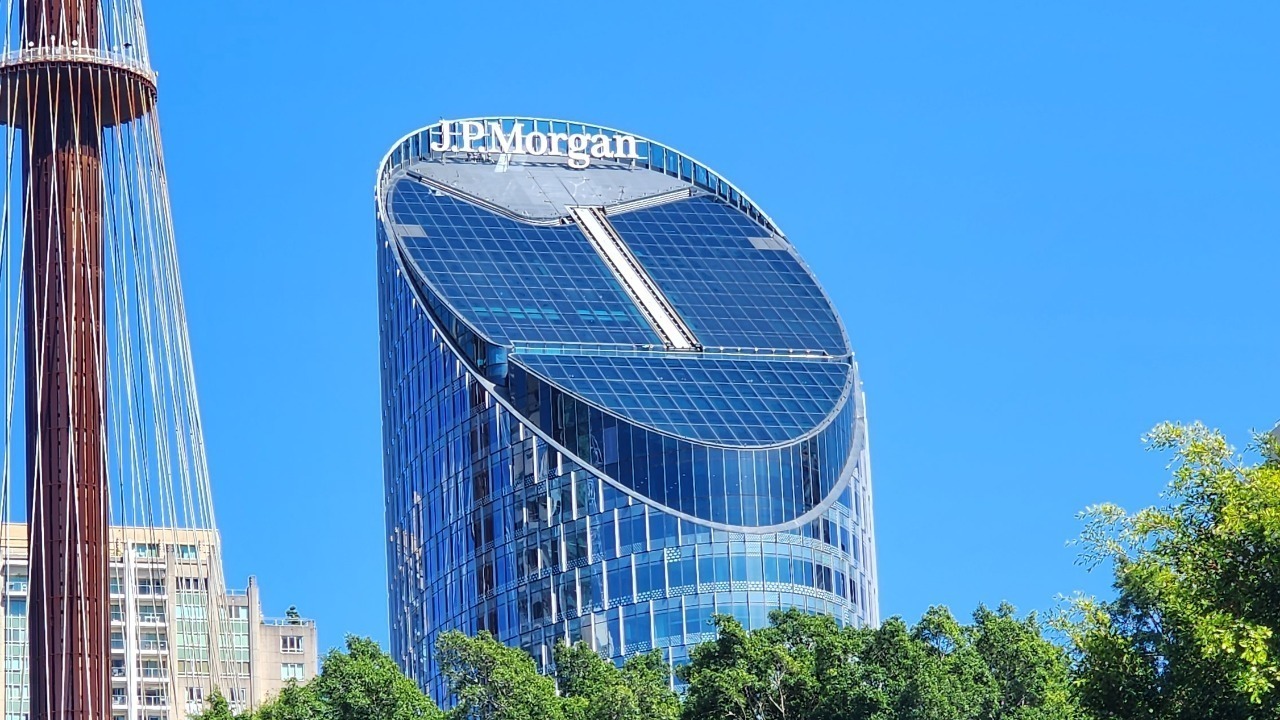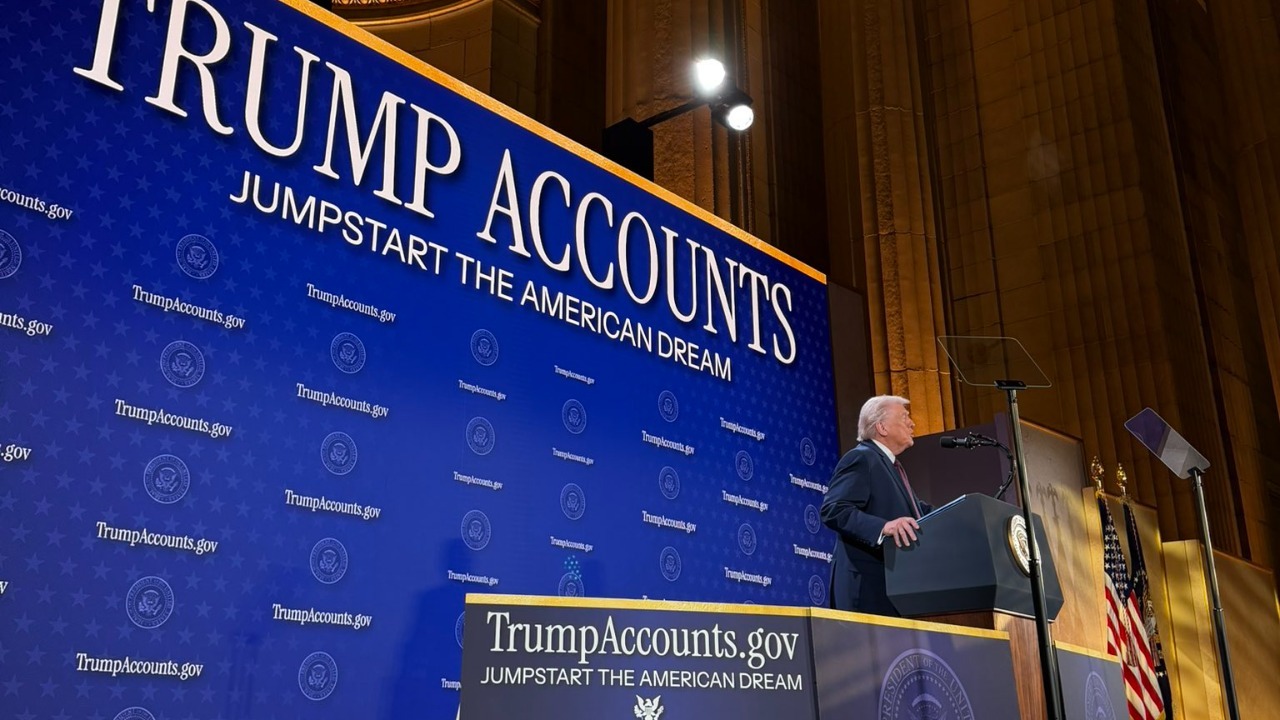
Donald Trump’s $5 billion lawsuit against JPMorgan Chase turns a long-running fight over “debanking” into a direct clash between a former president and the country’s largest bank. At issue is whether a bank can legally close accounts because it fears reputational or compliance risk, or whether that kind of move can cross the line into illegal political discrimination. The case arrives just as federal regulators are defining when debanking becomes “politicized or unlawful,” putting JPMorgan’s choices under an unusually bright spotlight.
Rather than a narrow dispute over a single contract, the suit raises a broader question: who controls access to basic banking when politics and risk collide. An answer is unlikely anytime soon, but the early court filings, new federal rules and public statements from JPMorgan already show how the ground is shifting for both banks and their most controversial customers. The outcome could shape how far financial institutions can go when they decide some clients are simply too risky to keep.
The $5 billion lawsuit that lit the fuse
According to summaries of the court filings, Trump has sued JPMorgan Chase and its longtime chief executive Jamie Dimon, accusing them of closing his accounts for political reasons and seeking $5 billion in damages. Wire service reports say the complaint was filed in state court in Miami-Dade County and claims that JPMorgan’s decision to end the relationship caused serious financial and reputational harm, tying the closures to Trump’s role in national politics rather than to neutral risk rules, as described in Associated Press coverage.
Financial reporters note that the suit names both JPMorgan Chase & Co. and Dimon personally and casts the case as a high-stakes test of how far banks can go in dropping controversial clients. One detailed account says Trump alleges that JPMorgan’s actions forced him to scramble to open new accounts and disrupted his business operations, framing the matter as a clash between a former president and one of Wall Street’s most powerful institutions, according to financial press reporting. Public broadcasting coverage adds that the complaint claims the closures came with little warning and that Trump’s team is pressing for a jury trial, as outlined in broadcast summaries.
How Trump frames “political debanking”
Trump’s legal team presents the account closures as part of a broader pattern, not as a routine business decision. National business outlets report that the complaint links JPMorgan’s move to Trump’s role in national politics and to the fallout from the Capitol riot, arguing that the bank punished him for his political identity and public controversies rather than for any new financial misconduct, as described in business reporting. The lawsuit claims that JPMorgan’s actions sent a signal to other institutions that it was acceptable to cut off politically unpopular customers.
International coverage says the suit ties the closures to the period after the Capitol riot and suggests that the bank reacted to the political turmoil surrounding that event. One passage quoted in business television coverage calls JPMorgan’s conduct “reckless” and says its decision is “leading a growing trend by financial institutions in the United States,” presenting Trump’s experience as part of a wider pattern of debanking controversial clients, according to television reports and related international coverage. In Trump’s telling, his case is not just about one bank relationship but about a broader push to silence certain voices through financial pressure.
What JPMorgan is finally saying
JPMorgan has firmly rejected the claim that politics drove its decision. In a formal statement, the bank said Trump’s allegations have “no merit” and denied any “weaponization of the banking sector,” insisting that its actions followed its legal duties and internal standards, according to the bank’s own public statement. The bank has not released a detailed timeline of every account action but has made clear it plans to fight the suit.
Reporting based on later comments from the bank suggests JPMorgan is pointing to risk management and compliance, not partisan motives, as the reason for closing Trump-related accounts. A financial analysis that draws on a Reuters report says the bank hinted that its decisions were tied to concerns about reputational and regulatory risk, and that it viewed those concerns as legitimate business reasons rather than as political retaliation, as summarized in risk-focused coverage. JPMorgan’s stance sets up a direct conflict over how courts should weigh a bank’s risk judgment against a customer’s claim of political bias.
Trump’s own “Debanking” order comes back into play
Trump’s lawsuit lands in the shadow of his own presidential order on the same topic. As legal commentators note, on August 7, 2025, President Trump signed Executive Order 14331, often called the “Debanking” order, which targets banks that deny services based on customers’ political beliefs or lawful business activities, as explained in a legal analysis. The order defines “politicized or unlawful debanking” and directs federal agencies to address it through guidance and oversight.
Compliance updates say the same order was highlighted in a September 2025 regulatory brief, which stressed that the White House was focused on banks that cut ties with lawful but controversial industries, including firearms and outdoor goods. That update framed Executive Order 14331 as an attempt to limit politically driven account closures and to push banks to back up debanking decisions with clear, risk-based reasoning rather than vague reputational concerns, according to a compliance summary. The same framework now gives Trump a legal hook as he argues that JPMorgan’s actions fit the very pattern his order was meant to curb.
OCC Bulletin 2025-22: when debanking becomes “politicized or unlawful”
Federal bank regulators have turned Trump’s executive order into concrete guidance. The Office of the Comptroller of the Currency (OCC) issued Bulletin 2025-22, titled “Licensing and Community Reinvestment Act: Consideration of Politicized or Unlawful Debanking,” which defines key terms and explains how examiners will treat debanking in future reviews, as laid out in the OCC’s official bulletin. The document says examiners can consider signs of politicized debanking when they review bank licenses and Community Reinvestment Act (CRA) performance.
The bulletin also points back to Executive Order 14331 for the official definition of “politicized or unlawful debanking,” tying the regulatory standard directly to the presidential directive. By linking licensing and CRA outcomes to how banks handle politically sensitive clients, the OCC has raised the stakes: a debanking decision that looks political on its face could now affect litigation risk, regulatory approvals and community ratings. For compliance teams, that means building clearer records that show when an account closure is based on fraud, sanctions, credit risk or other accepted reasons, and when it might be vulnerable to claims of political bias under the new rules.
Is debanking actually illegal in the United States?
There is still no single federal statute that uses the word “debanking” and bans it outright. Instead, the law focuses on when debanking becomes a form of unlawful discrimination. Legal commentaries on Executive Order 14331 explain that banks remain free to exit relationships for standard reasons such as fraud, money laundering, sanctions problems or credit risk, but they are not supposed to deny services based on political beliefs or lawful business activities, as outlined in legal guidance. That line between politics and risk is now central to Trump’s case.
Fact-checkers reviewing the lawsuit stress that proving illegal debanking is hard. It is not enough to show that an account was closed; plaintiffs must show that political beliefs or lawful activities were the real reason, not just one factor among many. Analysts say that so far the public evidence shows competing narratives rather than clear proof of intent, which makes this lawsuit an early test of how courts will apply the new definitions of politicized debanking to real disputes, as discussed in a fact-checking review. The burden will be on Trump’s team to connect internal bank thinking to the political motives they allege.
The Capitol riot, reputational risk and the missing proof
Trump’s complaint links JPMorgan’s actions to the period after the Capitol riot, arguing that the bank reacted to the political storm rather than to any new financial wrongdoing. International reporting notes that the lawsuit is framed as a response to account closures that occurred after the riot, tying the timing to the broader backlash Trump faced in corporate America, as described in coverage of the. From a legal standpoint, that timing may be suggestive but not decisive, because banks often adjust their risk assessments when a client’s public profile changes sharply.
Fact-checkers point out that the filings made public so far do not include internal JPMorgan emails or risk memos that directly show political bias. Instead, Trump’s lawyers rely on circumstantial evidence: the timing of the closures, his high-profile status and what they describe as a broader pattern of debanking controversial figures, as noted in the fact-check analysis. Many legal experts say the case will likely turn on discovery. If Trump’s team can obtain internal documents that mention his political beliefs as a reason to cut ties, the narrative could shift; without such proof, courts may view JPMorgan’s reference to risk management as a valid business justification.
More From The Daily Overview
*This article was researched with the help of AI, with human editors creating the final content.

Silas Redman writes about the structure of modern banking, financial regulations, and the rules that govern money movement. His work examines how institutions, policies, and compliance frameworks affect individuals and businesses alike. At The Daily Overview, Silas aims to help readers better understand the systems operating behind everyday financial decisions.