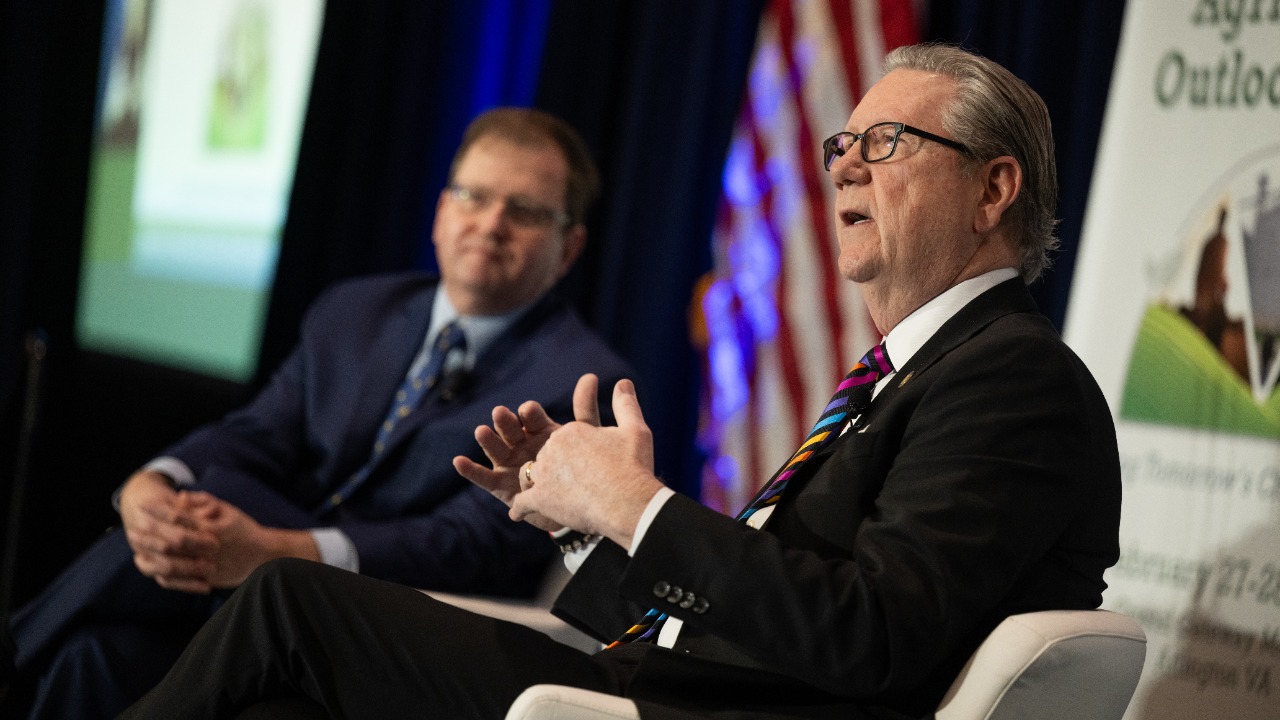
The new president of the Federal Reserve Bank of Kansas City is signaling that the fight against inflation is not over, and that cutting interest rates too soon could backfire. Jeffrey Schmid is warning that an early pivot risks reigniting price pressures just as they are starting to cool, potentially forcing the Fed into a longer and more painful tightening cycle later.
His stance puts him at the hawkish end of the central bank’s policy spectrum at a moment when investors are betting heavily on relief. I see his message as a reminder that the Federal Reserve’s credibility on inflation is still being rebuilt, and that the cost of misjudging the moment could fall hardest on households that can least afford another surge in prices.
The Kansas City Fed’s new voice of caution
Jeffrey Schmid is not a household name on Wall Street, but his role gives his words real weight. As president and chief executive officer of the Federal Reserve Bank of Kansas City, he helps set policy for a region that spans energy producers, farm states, and fast-growing metro areas, and he sits at the table where interest rate decisions are debated. The Kansas City Fed has long had a reputation for hawkish thinking on inflation, and Schmid’s recent comments fit squarely in that tradition.
His background is steeped in the practical side of finance and regional economics rather than academic theory. According to his official biography, Schmid oversees work on the National Economy, the Economic Review, the Local Economy, the Nebraska Economist, and a range of Surveys, including the Agricultural Credit Survey and national data programs. I read his recent warnings through that lens: he is hearing directly from banks, businesses, and agricultural lenders across the Midwest and Plains, and he is translating that ground-level feedback into a firm message that inflation risks are still too high to justify rate cuts.
Why Schmid says rate cuts could fuel another inflation wave
Schmid’s core argument is straightforward: if the Fed cuts borrowing costs while inflation remains above target, it could actually push prices higher instead of easing the pressure. In a recent interview, he said that reducing rates now could make inflation worse, even though price growth is “headed in the right direction.” That warning, relayed through Jennifer Schonberger, reflects a concern that financial conditions would loosen too quickly, reigniting demand in sectors like autos, housing, and services where prices are still elevated.
From my perspective, his logic tracks with the experience of the last few years. When rates were near zero, cheap credit helped fuel a surge in spending on everything from used cars like a 2021 Ford F-150 to home renovations financed through cash-out refinances. If the Fed eases too early, mortgage rates could fall, speculative activity could pick up in risk assets, and businesses might feel freer to pass along higher costs. Schmid is effectively arguing that the central bank should wait until inflation is not just trending lower, but clearly anchored near its goal, before it risks adding fresh stimulus.
Opposition to the market’s rush toward cuts
Investors have been pricing in a series of rate cuts over the coming year, but Schmid is pushing back on that narrative. He has made it clear that he opposes cutting rates while inflation remains “too hot,” signaling that he sees more danger in moving prematurely than in holding policy steady for longer. In coverage of his recent remarks, the Kansas City Fed president, often referred to simply as Schmid, is described as firmly against near-term easing, even as some of his colleagues sound more open to it.
I read that stance as a deliberate counterweight to market optimism. When traders assume that the Fed will quickly pivot to cuts, financial conditions can loosen on their own, with lower bond yields, tighter credit spreads, and rising equity prices effectively doing some of the easing in advance. By stating plainly that he opposes rate reductions while inflation is still elevated, Schmid is trying to keep expectations in check and preserve the restrictive bite of current policy. That communication strategy is itself a policy tool, and he is using it to lean against what he sees as unwarranted enthusiasm for cheaper money.
Long‑lasting inflation risks and the Fed’s credibility
Schmid’s warnings are not just about the next meeting or two, they are about the long shadow that a policy mistake could cast. In earlier comments, he cautioned that cutting rates too soon could have long lasting impact on inflation, with price pressures lingering longer than they otherwise would. In that discussion, summarized under the banner “Fed, Jeffrey Schmid Warns Rate Cuts Could Have Long, Lasting Impact On Inflation,” he stressed that premature easing could lead to longer lasting effects on inflation that would be harder and more costly to reverse, a point captured in Schmid’s earlier remarks.
From my vantage point, that is really a warning about credibility. If the Fed declares victory too early, cuts rates, and then has to reverse course as inflation flares up again, households and businesses could lose faith in its ability to manage the economy. That would show up in higher inflation expectations, more aggressive wage and price setting, and a greater risk that even temporary shocks, such as a spike in oil prices or a disruption in agricultural supply chains, feed into a persistent inflation problem. Schmid is arguing that it is better to err on the side of patience now than to risk a second, more painful round of tightening later that could push unemployment higher and hit sectors like manufacturing and construction especially hard.
What Schmid’s stance means for households and businesses
For borrowers, Schmid’s message is not particularly welcome: it implies that mortgage rates, credit card APRs, and auto loan costs are likely to stay elevated for longer than markets had hoped. A family looking to buy a starter home in Kansas City or Omaha may have to keep adjusting its budget to account for higher monthly payments, and a small business owner in Nebraska might think twice before financing a new piece of equipment. Yet Schmid would argue that the alternative, a renewed burst of inflation that erodes real wages and savings, would be worse for those same households and firms over time.
For savers and for the broader economy, his stance offers a different kind of reassurance. Higher rates mean better returns on certificates of deposit and money market accounts, and a more disciplined approach to inflation helps protect the purchasing power of paychecks. By grounding his views in the data and feedback that flow through the National Economy and Local Economy workstreams, as well as the Surveys and Agricultural Credit Survey that his team oversees, Schmid is signaling that he is listening closely to the region’s experience. I see his resistance to early cuts as a bet that a steadier, more patient path now will ultimately deliver a more stable environment for both Main Street and financial markets, even if it tests everyone’s tolerance for higher borrowing costs in the short run.
More From The Daily Overview

Grant Mercer covers market dynamics, business trends, and the economic forces driving growth across industries. His analysis connects macro movements with real-world implications for investors, entrepreneurs, and professionals. Through his work at The Daily Overview, Grant helps readers understand how markets function and where opportunities may emerge.

