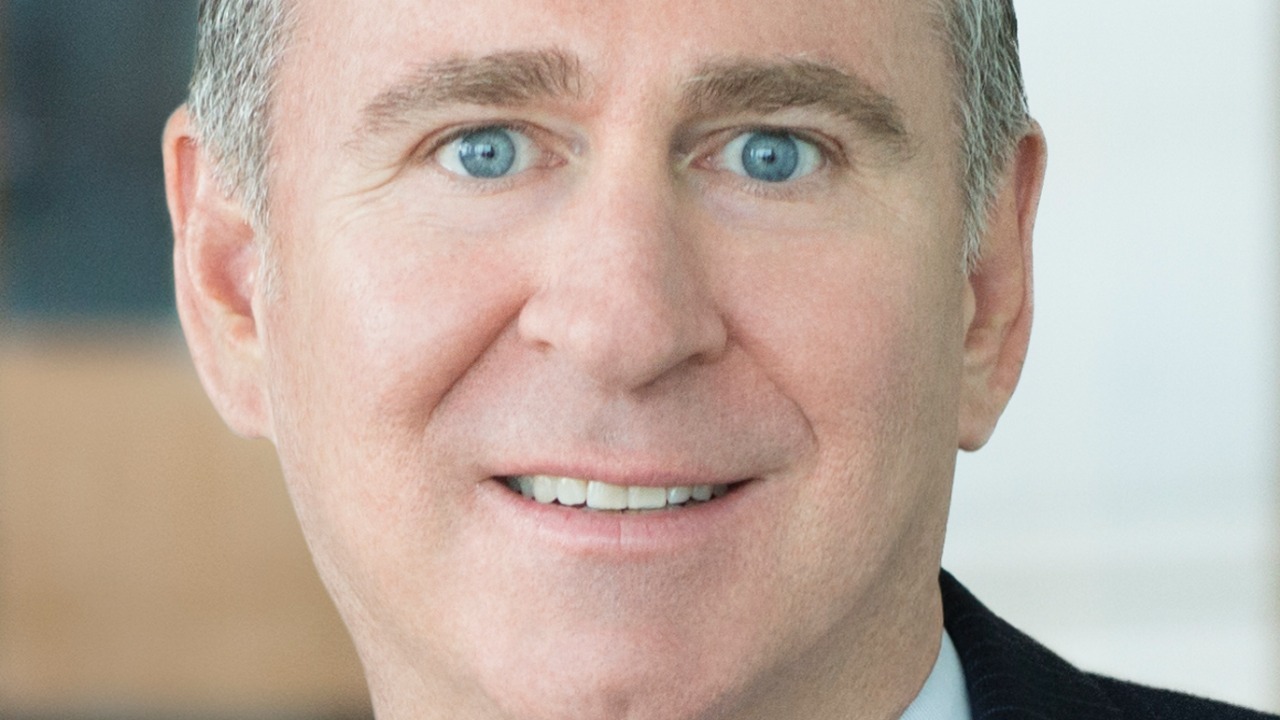
Billionaire Ken Griffin has issued a warning about the potential consequences of gold’s ongoing rally, emphasizing the risks that come with heightened market interest. Meanwhile, Goldman Sachs has set a bullish price target of nearly $5,000 for gold, reflecting strong optimism about the precious metal’s future trajectory. These developments were reported on October 7, 2025, highlighting a significant divergence in market perspectives.
Ken Griffin’s Perspective

Ken Griffin, a prominent billionaire, has expressed concerns regarding the current rally in gold prices. He warns that the surge could have significant consequences for the market. Griffin’s cautionary stance is rooted in the belief that such rapid increases in gold prices can lead to instability and potential corrections that might adversely affect investors. His insights are particularly relevant as they come at a time when gold is attracting substantial interest from various market participants.
Griffin identifies specific risks associated with the current dynamics in the gold market. He points out that the rally might be driven by speculative behavior rather than fundamental factors, which could lead to volatility. This perspective suggests that investors should be wary of the underlying forces propelling gold prices upward and consider the potential for sudden market shifts. Griffin’s warning serves as a reminder of the complexities involved in navigating the precious metals market, especially when prices are on an upward trajectory.
Griffin’s perspective is informed by historical precedents where rapid increases in asset prices have led to bubbles that eventually burst, causing widespread financial repercussions. He draws parallels to past market events, such as the dot-com bubble and the housing market crash, where speculative fervor overshadowed fundamental valuations. Griffin emphasizes the importance of understanding the underlying economic indicators and warns that ignoring these signs could lead to significant financial losses for unprepared investors.
Furthermore, Griffin highlights the role of geopolitical tensions and economic policies in influencing gold prices. He notes that while these factors can drive short-term price increases, they also contribute to market unpredictability. Griffin advises investors to remain vigilant and consider the broader economic landscape, including interest rates and currency fluctuations, which can impact gold’s appeal as an investment. His analysis suggests that a comprehensive approach to market trends is essential for making informed investment decisions.
Goldman’s Bullish Forecast
In contrast to Griffin’s caution, Goldman Sachs has set an ambitious price target for gold, aiming for nearly $5,000. This bullish forecast is based on a combination of factors, including macroeconomic trends and investor sentiment. Goldman Sachs believes that the current economic environment, characterized by uncertainty and inflationary pressures, supports a strong outlook for gold as a safe-haven asset.
The rationale behind Goldman’s projection aligns with recent market trends, where gold has seen a steady increase in value. This optimism is fueled by expectations of continued demand for gold as a hedge against economic instability. By setting such a high target, Goldman Sachs underscores its confidence in the long-term potential of gold, despite the inherent risks highlighted by other market observers like Griffin.
Goldman Sachs’ bullish forecast is supported by their analysis of global economic conditions, including the ongoing effects of inflation and central bank policies. The firm points to the increasing demand for gold in emerging markets, where economic growth and rising incomes are driving higher consumption of luxury goods, including gold jewelry. This trend is expected to bolster gold prices further, as demand outpaces supply.
Additionally, Goldman Sachs highlights the strategic role of gold in central bank reserves, noting that several countries have been increasing their gold holdings as a hedge against currency devaluation and geopolitical risks. This institutional demand is seen as a stabilizing factor for gold prices, providing a solid foundation for the firm’s optimistic price target. By considering these macroeconomic and geopolitical factors, Goldman Sachs presents a comprehensive case for gold’s potential as a long-term investment.
Contrasting Views in the Market

The divergence between Ken Griffin’s cautionary stance and Goldman Sachs’ optimistic outlook on gold highlights the contrasting views within the market. While Griffin warns of the potential pitfalls of a rapid gold rally, Goldman remains confident in the metal’s upward trajectory. This split in perspectives reflects broader investor sentiment, where some see gold as a risky bet, while others view it as a reliable store of value.
These differing opinions are indicative of the broader debate among investors about the future of gold. As of October 7, 2025, the market is grappling with these contrasting narratives, each backed by compelling arguments. Griffin’s warnings serve as a counterbalance to Goldman’s bullishness, reminding investors to consider both the opportunities and risks associated with gold investments.
The contrasting views between Griffin and Goldman Sachs also reflect differing approaches to risk management and investment strategy. Griffin’s cautionary approach appeals to conservative investors who prioritize capital preservation and risk mitigation. In contrast, Goldman Sachs’ optimistic outlook attracts those willing to embrace higher risk for the potential of substantial returns. This divergence underscores the importance of aligning investment strategies with individual risk tolerance and financial goals.
Moreover, the debate between these perspectives highlights the dynamic nature of financial markets, where multiple factors can influence asset prices simultaneously. Investors must navigate these complexities by staying informed and adapting their strategies to changing market conditions. The ongoing dialogue between caution and optimism serves as a valuable reminder of the need for balanced and informed decision-making in the investment landscape.
Implications for Investors

The potential consequences of gold’s rally, as warned by Ken Griffin, are significant for investors. His caution suggests that those involved in the gold market should be prepared for potential volatility and market corrections. Investors might need to adopt strategies that mitigate risk, such as diversifying their portfolios or setting stop-loss orders to protect against sudden downturns.
On the other hand, Goldman’s nearly $5,000 target for gold presents an opportunity for those willing to navigate the volatility. Investors who share Goldman’s optimism might consider increasing their exposure to gold, betting on its continued rise as a hedge against economic uncertainty. Ultimately, the decision to invest in gold requires careful consideration of both Griffin’s warnings and Goldman’s bullish forecast, balancing the potential for gains with the risks of market fluctuations.
For more details, see the full report on MarketWatch.

Grant Mercer covers market dynamics, business trends, and the economic forces driving growth across industries. His analysis connects macro movements with real-world implications for investors, entrepreneurs, and professionals. Through his work at The Daily Overview, Grant helps readers understand how markets function and where opportunities may emerge.

