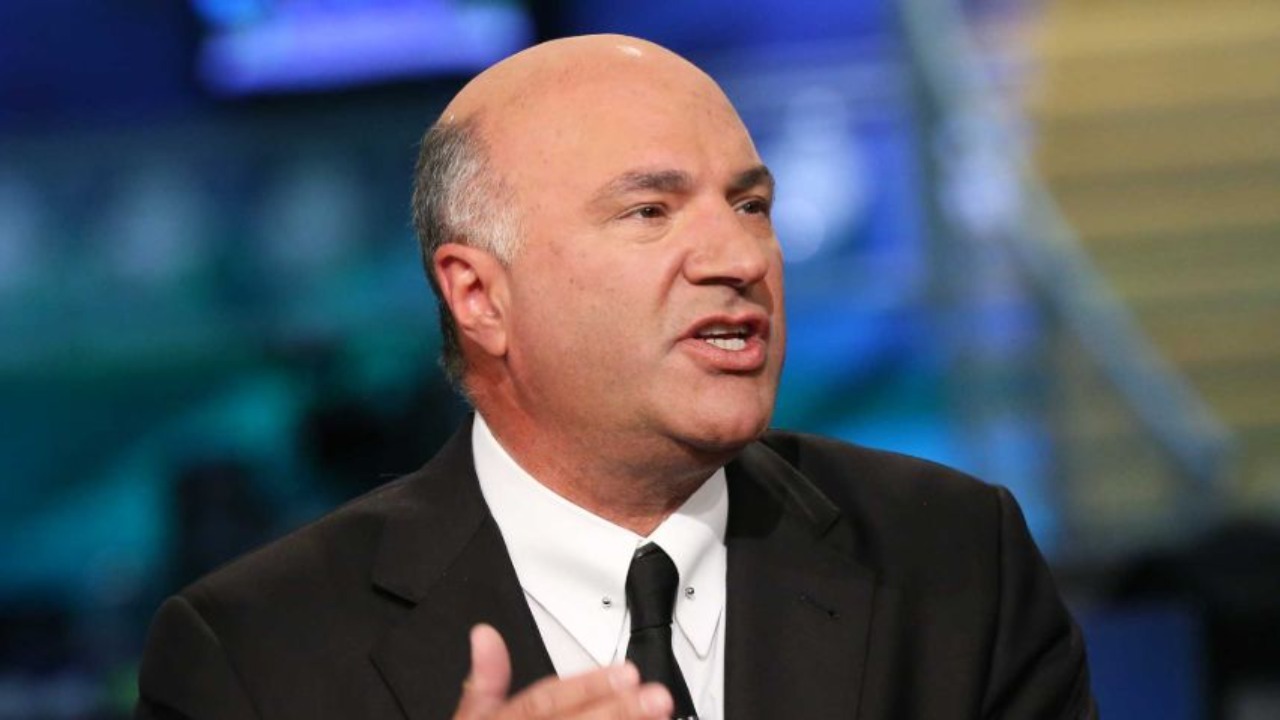
Kevin O’Leary has built a career on telling people hard truths about their money, and his latest warning is blunt: two everyday habits are quietly wrecking household finances. In a culture that rewards constant consumption, he argues that overspending on “stupid stuff” and living above your means are not minor slipups but structural mistakes that can cost you tens of thousands of dollars over time. I see his critique as less about deprivation and more about reclaiming cash that could be compounding for you instead of disappearing into impulse buys and lifestyle creep.
At the center of his argument is a simple idea: most people are not broke because they earn too little, but because they leak money in predictable ways they barely notice. By calling out these patterns and putting real numbers to them, Kevin O’Leary is trying to shock people into treating small choices, like buying lunch at work or upgrading a car too often, as serious financial decisions. Once you see those habits as line items in a long‑term plan, it becomes much easier to change them.
How Kevin O’Leary defines “stupid” money mistakes
Kevin O’Leary is not talking about exotic investment blunders when he describes “stupid” money mistakes, he is talking about routine decisions that quietly drain cash every week. In his view, the problem starts in a culture driven by consumption, where it feels normal to click “buy now,” upgrade a phone early, or treat every minor inconvenience with a paid solution. He argues that this environment nudges people into overspending on unnecessary stuff, then normalizes the stress that follows when the credit card bill arrives.
Reporting on his recent comments describes how he singles out everyday overspending and chronic lifestyle inflation as the two core errors that keep people stuck. In that coverage, Kevin, Leary and his “Stupid Money Mistakes Most People Are Making” message are framed as a direct challenge to habits that Americans barely question, from streaming sprawl to constant wardrobe refreshes, even as those habits quietly sabotage long‑term goals like retirement or debt freedom. By focusing on these two patterns instead of obscure financial products, he is effectively saying the biggest threat to your wealth is not Wall Street, it is your own autopilot spending.
Overspending on unnecessary stuff: the first big leak
The first mistake Kevin O’Leary targets is overspending on unnecessary stuff, the purchases that feel trivial in isolation but add up to serious money over a year. He points to a culture where grabbing takeout, upgrading gadgets early, or impulse‑buying home decor is treated as harmless self‑care, even when those choices are funded with high‑interest credit. In his view, the real danger is not a single splurge, it is the pattern of treating wants as needs until there is no room left in the budget for savings or investing.
One detailed breakdown of his comments highlights how he connects this overspending habit to specific categories, from daily food purchases to brand‑name household items that could easily be swapped for cheaper alternatives. The same reporting that describes Overspending and Unnecessary Stuff also notes how rising prices on items like Kirkland Products Costco Quietly Raised Prices have made it even more important to know Where To Buy Instead or to trade down to Hybrid strategies, such as mixing store brands with bulk buys. O’Leary’s core point is that if you do not actively push back against this drift, inflation and convenience culture will quietly rewrite your budget for you.
Living above your means: the lifestyle trap
The second mistake Kevin O’Leary keeps returning to is Living Above Your Means, which he sees as the structural version of those small overspending choices. Instead of just buying a few extra things, this is about building an entire lifestyle on income that does not actually exist yet, often through credit cards, car loans, and buy‑now‑pay‑later plans. He warns that Many Americans spend more than they earn to live the lifestyle they want, then act surprised when that behavior lands them in chronic debt and financial anxiety.
Coverage of his comments on this point is remarkably consistent: he believes that trying to look rich is one of the fastest ways to stay poor. In one analysis of his advice, the section on Living Above Your Means describes how Many Americans normalize this pattern by stretching for bigger apartments, newer cars, and constant travel, then patching the gap with revolving balances instead of cutting back. O’Leary’s prescription is blunt, he wants people to reverse the script and build a lifestyle around what their current income can comfortably support, then let raises and side income widen the gap between earnings and spending rather than instantly upgrading everything.
The $15,000 sandwich problem: small splurges that snowball
Kevin O’Leary often uses vivid examples to make these abstract mistakes feel real, and one of his favorites is the cost of buying lunch at work. In a widely cited breakdown of his comments, he argues that Leary Says People Waste as much as $15K a Year On what he calls Stupid Stuff Like Buying Lunch At Work, even though, as he puts it, “It Costs You 99 Cents To Make A Sandwich.” His point is not that you should never eat out, but that treating a $12 salad as a daily habit instead of an occasional treat can quietly erase thousands of dollars that could have been invested.
I see this “$15,000 sandwich” framing as a way to expose how people underestimate the power of repetition. A $10 or $15 daily expense feels harmless, but multiplied across 5 workdays and 50 weeks, it becomes a four‑figure line item that competes directly with debt payoff or retirement contributions. When O’Leary ties that number to the same pattern of overspending on Unnecessary Stuff he criticizes elsewhere, he is effectively saying that the path to financial stability runs through unglamorous choices like meal‑prepping, brewing coffee at home, and packing snacks instead of defaulting to convenience every time.
The habit that keeps you poor: when spending outruns investing
Kevin O’Leary has also zeroed in on what he calls a single habit that keeps people poor, and it ties directly into these two core mistakes. In his view, the real problem is not just that people spend too much, it is that they let Small Splurges That Add Up crowd out any serious effort to build assets. One detailed account of his comments on this theme, titled around Kevin, Leary and the idea that This One Common Habit Is Keeping You Poor, describes his frustration at watching people work hard, then immediately convert their paychecks into clothes, gadgets, and nights out instead of letting at least part of that money start working for them in investments.
He often frames this as a simple fork in the road: every discretionary dollar either goes toward consumption or toward ownership. When consumption wins every time, there is nothing left to put into index funds, retirement accounts, or even a basic emergency fund. The reporting on his “common habit” warning notes that he wants people to run a kind of closet test on their spending, asking whether the last few hundred dollars they spent are still delivering value or whether they have already been forgotten. If the answer is the latter, he argues, that is a sign that your money is serving your impulses instead of your future.
Why these two mistakes hit Americans so hard
Part of what makes Kevin O’Leary’s critique resonate is that it lines up with broader evidence about how fragile many household budgets have become. In a detailed look at his comments on Living Above Your Means, one analysis notes that Many Americans are already spending more than they earn, which leaves them with little margin for emergencies, let alone long‑term investing. When that reality collides with a culture that constantly encourages Overspending on Unnecessary Stuff, the result is a population that feels perpetually behind even when incomes are relatively solid.
Another breakdown of his advice, which again highlights Sep and the theme of Living Above Your Means, quotes him urging people to cut their spending for just 90 days and watch what happens. The idea is that a short, intense reset can reveal how much of your current lifestyle is optional, from subscription bundles to frequent restaurant meals. I see this as an attempt to give people a concrete experiment rather than a vague lecture: if you can prove to yourself that you can live on less for three months, it becomes much easier to permanently redirect part of your cash flow into savings and investments instead of letting it vanish into routine consumption.
How to turn O’Leary’s warnings into a practical plan
Kevin O’Leary’s message would be incomplete if it stopped at criticism, and the reporting on his comments makes clear that he does offer a path forward. In one detailed piece that walks through his two core errors, he urges people to do what they can to cut down on nonessential spending and then automate the difference into savings or investment accounts. That same coverage, which appears in a version of his remarks highlighted through FinanceBuzz, emphasizes that you do not need a complex strategy to start, you need a decision to stop letting every pay raise and bonus disappear into lifestyle upgrades.
Another synthesis of his views on Kevin, Leary and the Stupid Money Mistakes Most People Are Making underscores his belief that small, consistent changes can have an outsized impact. He suggests starting with a simple audit of recurring expenses, from streaming services to gym memberships, then tackling daily habits like work lunches and coffee runs. Once those leaks are plugged, he wants people to redirect that freed‑up cash into basic vehicles like broad‑market index funds or retirement plans, letting time and compounding do the heavy lifting instead of chasing hot stock tips or speculative bets.
More From TheDailyOverview
*This article was researched with the help of AI, with human editors creating the final content.

Cole Whitaker focuses on the fundamentals of money management, helping readers make smarter decisions around income, spending, saving, and long-term financial stability. His writing emphasizes clarity, discipline, and practical systems that work in real life. At The Daily Overview, Cole breaks down personal finance topics into straightforward guidance readers can apply immediately.

