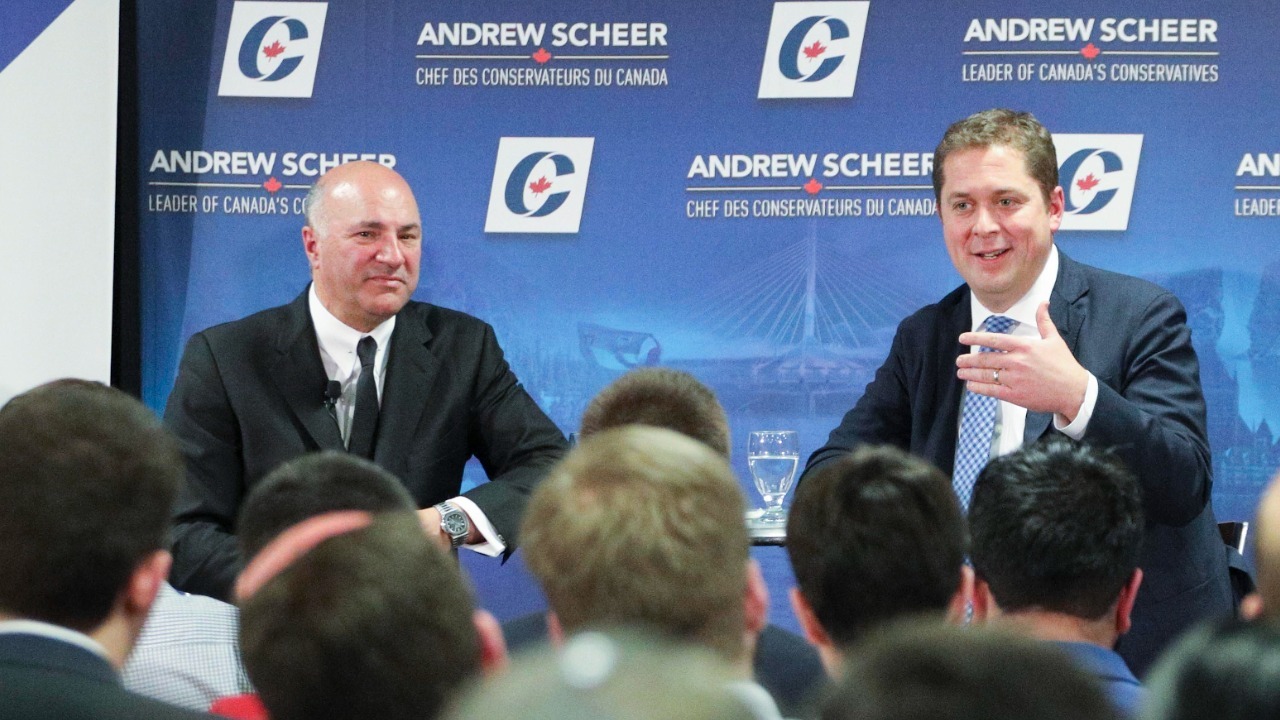
Renowned investor Kevin O’Leary has sparked a conversation about financial management in marriage by advising couples that while sharing a credit card for joint expenses is acceptable, keeping your entire savings separate is crucial. He emphasizes this separation as a safeguard against the potential financial fallout of divorce or separation. O’Leary, known for his candid financial advice, has also called the idea of combining finances in marriage the “stupidest idea,” urging women to maintain financial independence throughout their relationships. This perspective is informed by his extensive business experience and personal insights.
O’Leary’s Stance on Shared Credit Cards in Marriage
Kevin O’Leary suggests that sharing a credit card can be a practical solution for married couples managing everyday expenses. This approach allows couples to track household spending efficiently without risking their long-term financial assets. According to O’Leary, shared credit cards can facilitate convenience and potentially offer benefits such as rewards programs. However, he stresses that this financial sharing should not extend to savings or investments, which should remain separate to protect individual financial security. This advice, shared in his recent comments, highlights the importance of clear agreements on liability to prevent disputes over shared expenses. The practicality of shared credit cards lies in their ability to streamline joint spending on necessities like groceries, utilities, and other household expenses. By maintaining separate savings accounts, couples can safeguard their personal wealth and ensure that their financial independence is preserved. O’Leary’s recommendation underscores the need for couples to establish clear financial boundaries, which can help prevent misunderstandings and conflicts related to shared financial responsibilities.
Why Savings Must Remain Entirely Separate
O’Leary’s warning about keeping savings separate is rooted in the potential financial risks associated with divorce. He advises that your “entire” savings should remain untouched by marital financial arrangements to protect personal wealth accumulated over time. This separation is crucial in safeguarding assets from the complexities of asset division during a marital breakdown. By maintaining individual savings accounts, individuals can simplify the legal process of asset division, which can be particularly beneficial in jurisdictions where separate accounts are recognized as personal property. The rationale behind this advice is to protect individuals from the financial vulnerabilities that can arise when funds are commingled. In the event of a divorce, separating assets can become a contentious and complicated process. By keeping savings separate, individuals can ensure that their financial security is not compromised, allowing for a smoother transition should the marriage end. This approach also aligns with O’Leary’s broader financial philosophy of risk management, emphasizing the importance of protecting one’s financial foundation.
The Pitfalls of Combining Finances
O’Leary’s strong declaration that combining finances in marriage is the “stupidest idea” stems from the potential pitfalls of financial entanglement. Real-world examples illustrate how shared finances can lead to complications, such as debt accumulation or the loss of individual credit history. When couples merge their finances, they become vulnerable to each other’s financial decisions, which can impact their joint stability. This vulnerability is particularly concerning if one partner has poor financial habits or a history of debt. The broader economic risks of combining finances include the potential for one partner’s financial missteps to affect the couple’s overall financial health. For instance, if one partner incurs significant debt, the other partner may be held liable, leading to financial strain and potential legal issues. O’Leary’s advice highlights the importance of maintaining financial independence to avoid these risks and ensure that each partner retains control over their financial future.
Empowering Women with Financial Independence
O’Leary emphasizes the importance of financial independence for women in marriage, advising them to maintain separate savings and credit profiles. This advice is rooted in the belief that financial independence fosters equality and resilience in relationships. By building personal investment portfolios and maintaining individual credit histories, women can ensure that they have the financial resources and autonomy needed to navigate any challenges that may arise in their relationships. Strategies for maintaining financial independence include setting up individual savings accounts, investing in personal assets, and establishing a separate credit history. These measures can empower women to make informed financial decisions and provide a safety net in case of marital difficulties. O’Leary’s advice aligns with broader trends in financial empowerment, encouraging women to take control of their financial futures and build a foundation of security and independence.
Insights from O’Leary’s Business Background
O’Leary’s cautious approach to financial merging in marriage is informed by his extensive business experience. The real and shocking story of his business career reveals a history of high-stakes deals and significant losses, which have shaped his perspective on risk management. By viewing marital finances through a similar lens, O’Leary emphasizes the importance of protecting core assets and maintaining financial independence. His entrepreneurial experiences highlight the value of safeguarding one’s financial foundation, a lesson that parallels his marriage advice. By keeping savings separate and maintaining financial independence, individuals can protect themselves from potential financial setbacks and ensure that their personal wealth remains secure. O’Leary’s insights underscore the importance of approaching financial decisions with caution and foresight, both in business and in personal relationships. In conclusion, Kevin O’Leary’s advice on marriage and finances offers a pragmatic approach to managing joint expenses while safeguarding individual financial security. By advocating for shared credit cards for everyday spending and separate savings accounts, O’Leary provides a framework for couples to navigate the complexities of financial management in marriage. His emphasis on financial independence, particularly for women, reflects a broader trend towards empowerment and equality in relationships. Through his business insights, O’Leary underscores the importance of risk management and asset protection, offering valuable guidance for couples seeking to build a secure financial future.
More From TheDailyOverview
- Dave Ramsey warns to stop 401(k) contributions
- 11 night jobs you can do from home (not exciting but steady)
- Small U.S. cities ready to boom next
- 19 things boomers should never sell no matter what

Cole Whitaker focuses on the fundamentals of money management, helping readers make smarter decisions around income, spending, saving, and long-term financial stability. His writing emphasizes clarity, discipline, and practical systems that work in real life. At The Daily Overview, Cole breaks down personal finance topics into straightforward guidance readers can apply immediately.
