
Robert Kiyosaki, renowned for his book “Rich Dad Poor Dad,” has recently issued a stark warning about upcoming economic challenges. He predicts “massive unemployment” in the near future and suggests that the most educated and seemingly prepared Americans will be disproportionately affected. Why does Kiyosaki, a well-respected figure in personal finance, believe that those who appear the most prepared might actually be the most vulnerable?
The Warning from Kiyosaki

Robert Kiyosaki has been vocal about his concerns regarding the future of the job market, forecasting “massive unemployment” that could dramatically impact the U.S. economy. His warning stems from a deep-seated belief that traditional employment models are on the brink of obsolescence. With rapid technological advancements and shifting economic paradigms, Kiyosaki suggests that the conventional wisdom of securing a stable job after obtaining a degree may no longer hold true.
Kiyosaki’s skepticism towards traditional employment isn’t new. Over the years, he has consistently challenged the status quo, emphasizing the importance of financial education and entrepreneurship. Many of his previous predictions, such as the 2008 financial crisis, have materialized, lending weight to his current forecast. His latest warning is particularly noteworthy given the context of post-pandemic recovery and geopolitical tensions, which have already introduced volatility into global markets.
Why ‘Smart’ Americans May Be Hit Harder
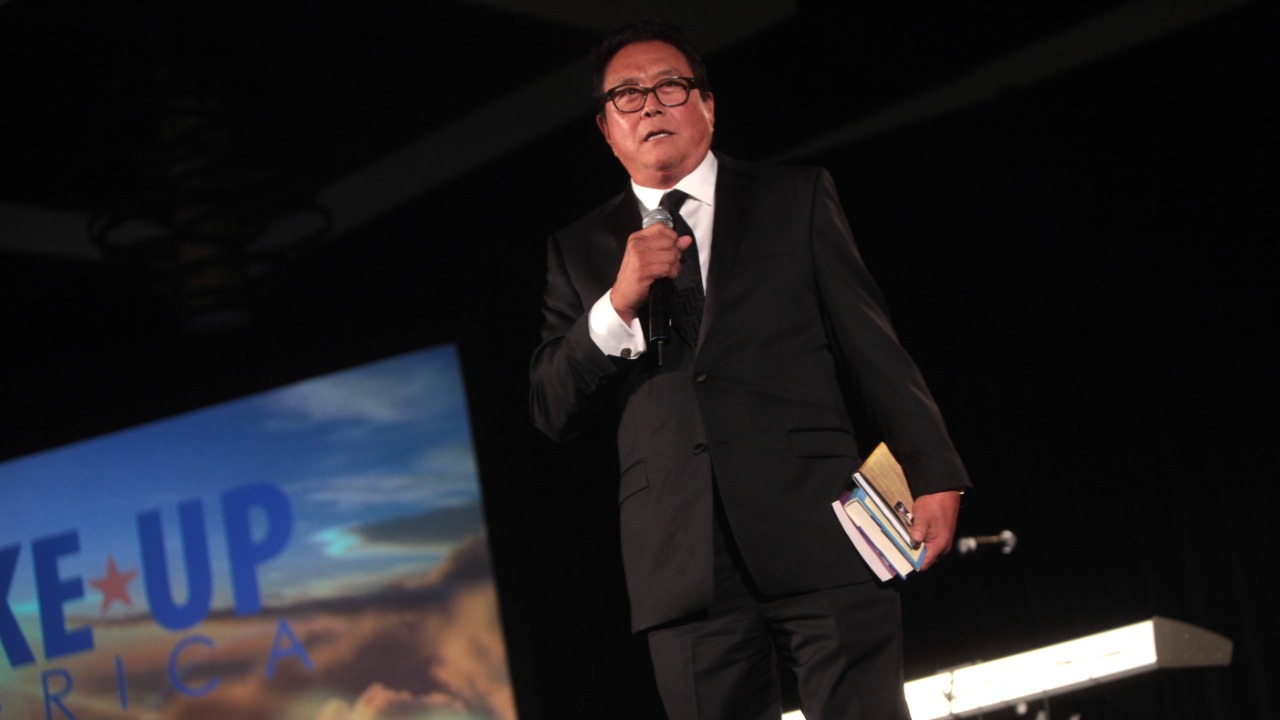
Kiyosaki argues that “smart” Americans—those who have followed the traditional path of higher education and stable employment—may find themselves unexpectedly vulnerable. The overvaluation of degrees and formal qualifications in an evolving job market is a significant concern. As industries pivot towards skills over credentials, those with hefty educational loans and expectations of job security may face financial strain. The reliance on degrees as a measure of competence is increasingly being questioned, especially as companies seek adaptable skills that traditional education systems may not provide.
One cannot overlook the burden of student debt, which exacerbates the financial challenges faced by educated professionals. The cost of higher education has ballooned over the years, leading many to graduate with significant debt. In a job market that no longer guarantees the stability it once did, this financial commitment can quickly become overwhelming. As Kiyosaki points out, the financial obligations that come with traditional career paths may leave many “smart” Americans ill-prepared for the economic shifts on the horizon.
The Impact of Technology and AI

Technological advancements and AI are reshaping industries at an unprecedented pace, contributing to the uncertainty in the job market. Sectors once thought immune to automation, such as legal and medical fields, are now being disrupted. AI technologies are increasingly capable of performing tasks that were once the exclusive domain of highly educated professionals. This shift necessitates a reevaluation of career paths and the skills required for future success.
The skills gap is a significant obstacle, as current educational systems may not adequately prepare workers for the jobs of the future. The emphasis on rote learning and standardized testing falls short in equipping students with the critical thinking and problem-solving skills needed in a rapidly changing world. As highlighted in a report on AI disruptions, industries such as manufacturing, finance, and education are already experiencing significant transformations. The challenge lies in adapting educational frameworks to meet the demands of an AI-driven economy.
Strategies for Safeguarding Against Economic Downturns

In light of these challenges, diversifying income streams becomes crucial for financial security. Dependence on a single source of income, particularly one tied to a traditional job, is increasingly risky. Exploring entrepreneurial ventures, freelancing, or investing in passive income opportunities can provide a buffer against economic uncertainty. Kiyosaki has long championed the importance of financial literacy, encouraging individuals to seek multiple revenue sources to safeguard their futures.
Lifelong learning and upskilling are equally vital in a dynamic job market. Continuous education, whether through online courses, workshops, or self-directed learning, can provide a competitive edge. Embracing new technologies and staying abreast of industry trends are essential for remaining relevant. Building financial resilience through savings, investments, and prudent financial planning is another strategy to weather economic storms. By prioritizing financial health, individuals can better navigate the complexities of an unpredictable economy.
Community and Support Systems

The role of community support and networking cannot be understated in navigating job loss and career transitions. Strong networks can provide valuable guidance and opportunities in challenging times. For instance, online platforms and social media groups offer spaces for professionals to connect, share experiences, and collaborate on solutions. A noteworthy example is a Facebook group dedicated to career transitions, where members exchange advice and support one another through professional changes.
Peer groups and online communities can also foster innovation and entrepreneurship. By collaborating with others facing similar challenges, individuals can develop creative solutions and explore new ventures. Community-driven initiatives that focus on skill development and mentorship have proven successful in helping members adapt to economic changes. These support systems are invaluable resources for those seeking to navigate the evolving job landscape and build resilient careers.
Kiyosaki’s warning serves as a reminder of the need to remain adaptable and proactive in an ever-changing economic environment. By heeding his advice and taking strategic steps towards financial security, individuals can better prepare for the challenges ahead and secure their financial futures.

Grant Mercer covers market dynamics, business trends, and the economic forces driving growth across industries. His analysis connects macro movements with real-world implications for investors, entrepreneurs, and professionals. Through his work at The Daily Overview, Grant helps readers understand how markets function and where opportunities may emerge.

