
Toyota, the world’s largest carmaker, has revised its annual profit forecast, slashing it by over $4 billion. This stark adjustment is a direct reaction to the ongoing impact of U.S. tariffs, which have increasingly burdened the automaker’s financial outlook. The decision highlights the broader economic challenges posed by international trade tensions, affecting not only Toyota but the global automotive industry at large.
Impact of U.S. Tariffs on the Global Automotive Industry
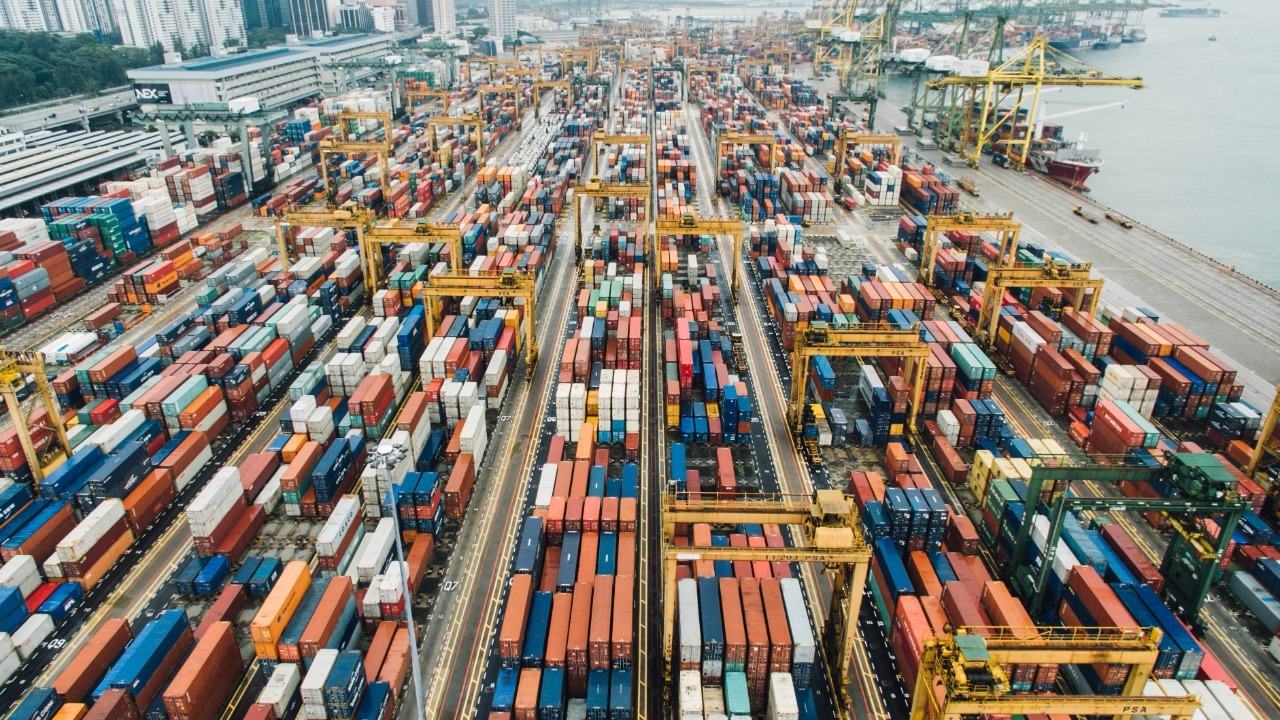
The imposition of U.S. tariffs on imported goods has sent ripples throughout the global automotive sector. These tariffs have targeted a range of products, including automotive parts and finished vehicles, significantly disrupting supply chains. For car manufacturers, this has translated into increased production costs, as tariffs have raised the prices of essential components sourced from overseas.
Manufacturers have been forced to reconsider their production strategies, with some opting to absorb the increased costs while others have passed them on to consumers through higher vehicle prices. This has resulted in strategic shifts, such as relocating production facilities or sourcing alternative suppliers. Industry analysts have noted that these responses have varied in effectiveness, but the overarching theme remains clear: tariffs have added a layer of complexity to an already challenging market environment.
Toyota’s Financial Adjustments and Strategic Response

Toyota’s decision to lower its profit forecast by more than $4 billion is a testament to the severe impact of tariffs. The automaker’s latest financial report reveals the extent of these challenges, with profit projections now significantly lower than initial estimates. This downward revision underscores the need for Toyota to adapt swiftly to preserve its market position and shareholder value.
In response, Toyota has implemented a series of strategic measures designed to mitigate the impact of tariffs. These include cost-cutting initiatives, such as reducing operational expenses and optimizing production processes. Furthermore, Toyota is exploring long-term strategies to navigate the complex trade landscape, including potential investments in local production facilities to minimize tariff exposure. Such moves are part of a broader effort to ensure the company’s resilience and adaptability in the face of ongoing trade uncertainties.
Broader Economic Implications for Japan’s Export Market

The ramifications of Toyota’s profit cut extend beyond the company itself, affecting Japan’s economy as a whole. The automotive industry is a cornerstone of Japan’s export market, and any decline in automotive exports can have a significant impact on the country’s economic health. With Toyota being a major player, its financial adjustments are likely to ripple through related industries, including parts suppliers and logistics providers.
As the Japanese government grapples with these challenges, potential policy responses could include measures to support exporters, such as financial aid or subsidies. The broader economic implications of Toyota’s revised profit forecast underscore the interconnectedness of global trade and the need for strategic responses at both the corporate and governmental levels. According to recent reports, Japan’s export market has already shown signs of strain, highlighting the urgency of addressing these trade challenges.
Reactions from the Automotive Market and Investors

The automotive market’s reaction to Toyota’s profit revision has been swift, with stock performance and investor sentiment reflecting the heightened uncertainty. Shares of Toyota have experienced volatility as investors digest the implications of the revised forecast. Market analysts have noted that while the immediate reaction has been cautious, there is a recognition of Toyota’s proactive approach to mitigating tariff impacts.
Industry analysts have provided varied perspectives on Toyota’s decision, with some viewing it as a necessary step to safeguard future growth, while others express concern over the long-term implications of trade tensions. Comparisons with other carmakers facing similar challenges reveal a common theme: the need for strategic agility in navigating the complexities of international trade. As investors and industry stakeholders monitor developments, the focus remains on how Toyota and its peers will adapt to an evolving trade landscape.
Future of International Trade Relations and Automotive Industry Outlook
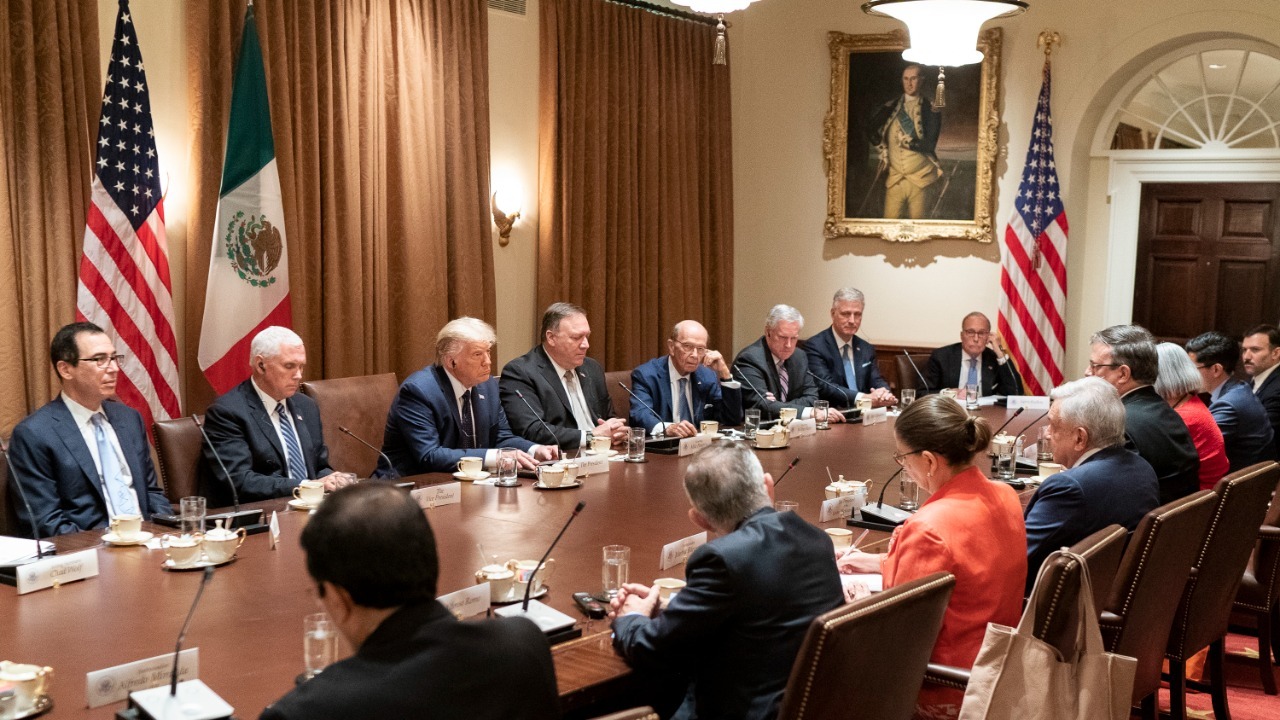
Looking ahead, the future of international trade relations and their impact on the automotive industry remains uncertain. Potential changes in U.S. trade policies could have far-reaching effects, influencing everything from production decisions to market expansion strategies. As the industry braces for continued volatility, carmakers are exploring alternative markets and opportunities for growth in a tariff-heavy environment.
The automotive industry is at a crossroads, with the need for innovation and adaptability more critical than ever. Predictions for the industry’s future suggest a shift towards more localized production models and an increased focus on sustainability and efficiency. As companies like Toyota strive to navigate these challenges, the resilience of the automotive sector will be tested, shaping the industry’s trajectory in the years to come. The ongoing evolution of global trade dynamics will continue to influence strategic decisions and market outcomes, highlighting the need for a forward-thinking approach to ensure long-term success.

Grant Mercer covers market dynamics, business trends, and the economic forces driving growth across industries. His analysis connects macro movements with real-world implications for investors, entrepreneurs, and professionals. Through his work at The Daily Overview, Grant helps readers understand how markets function and where opportunities may emerge.

