Even people who pride themselves on cutting costs tend to agree on one thing: a few carefully chosen splurges can quietly transform daily life. The luxury that wins over frugal shoppers is rarely about status, and more about comfort, durability, and long-term value that cheaper stand-ins simply cannot match.
When I look at what budget-conscious consumers consistently recommend, a pattern emerges. The “worth it” upgrades are the ones that protect health, save time, or avoid constant replacement, and the reporting around sleep, tech, and home essentials backs up why those investments pay off over years, not months.
Sleep upgrades that pay you back every night
For people who normally chase the lowest price, a high-quality mattress is often the first big exception. Sleep researchers have linked poor rest to higher risks of cardiovascular disease, weight gain, and impaired concentration, which means a sagging bed is not just an annoyance but a long-term health cost. Studies tying short or fragmented sleep to elevated blood pressure and metabolic problems show that consistent, deep rest is a form of preventive care, not a luxury add-on, and that makes a supportive mattress or premium topper one of the rare big-ticket items that can change how a person feels every single day.
That logic is why frugal shoppers frequently single out memory foam or hybrid mattresses, along with breathable natural-fiber bedding, as “worth it” even when they cut corners elsewhere. Clinical work on sleep quality has found that people who improve their sleep environment, including mattress comfort and temperature regulation, report better daytime alertness and lower pain scores, which supports the idea that a well-built bed can reduce reliance on caffeine or pain relievers over time. When I weigh that against the typical lifespan of a good mattress, often close to a decade, the cost per night of better sleep looks modest compared with the documented health impact of chronic sleep deprivation, as highlighted in large-scale research on sleep duration and disease risk.
Tech and tools that outlast the bargain bin
Even the most frugal people eventually learn that some electronics are too central to daily life to buy on autopilot. A reliable smartphone or laptop is no longer just a convenience, it is the gateway to banking, work, telehealth, and government services, and outages or failures can have real financial consequences. Reporting on digital access has shown that households without stable devices or broadband face higher barriers to job applications and remote work, which helps explain why careful spenders sometimes stretch their budgets for a midrange iPhone, a well-reviewed Chromebook, or a business-grade Windows laptop that can handle security updates and video calls for years instead of months.
Durability and repairability also matter more to frugal buyers than flashy specs. Analyses of electronic waste and device lifecycles have documented how short upgrade cycles drive both environmental costs and repeated spending, while right-to-repair campaigns have pushed manufacturers to provide parts and manuals so owners can keep older hardware running. When I look at those findings alongside consumer data on failure rates, it becomes clear why a solid pair of noise-canceling headphones, a quality mechanical keyboard, or a robust external SSD often earns “worth every penny” status among people who otherwise avoid brand premiums. The long service life and lower risk of sudden breakdowns align with research on electronics waste, which underscores how buying once and keeping a device in service is usually cheaper, and greener, than cycling through disposable gear.
Everyday comforts that quietly compound value
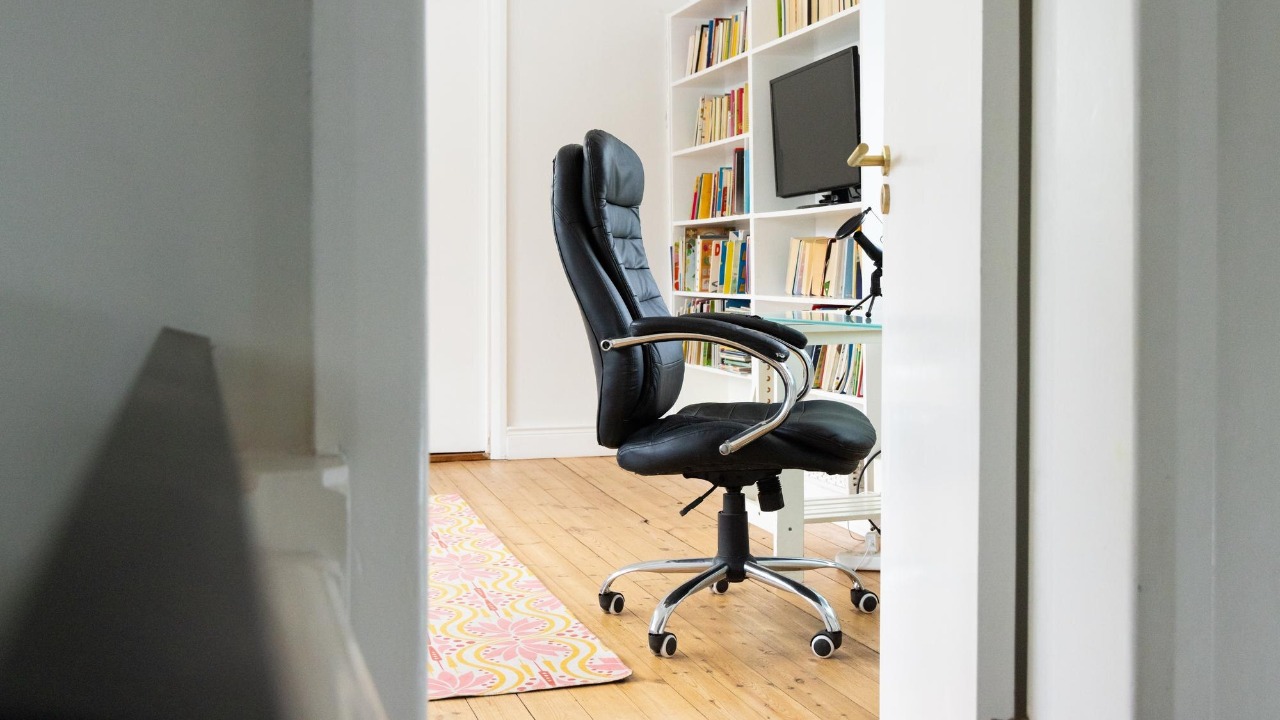
Outside of sleep and screens, the luxuries that win over frugal shoppers tend to be small items they touch all day. Supportive desk chairs, ergonomic keyboards, and properly adjusted monitors are a prime example. Occupational health research has linked prolonged sitting in poorly designed chairs to back and neck pain, repetitive strain injuries, and lost productivity, while ergonomic interventions have been shown to reduce musculoskeletal complaints in office workers. When someone who usually clips coupons decides to spend more on a chair with lumbar support or a height-adjustable setup, they are effectively betting on fewer chiropractor visits and less time working through discomfort, a trade-off that aligns with studies on workplace ergonomics and injury prevention.
Kitchen gear tells a similar story. A heavy, well-balanced chef’s knife, a tri-ply stainless-steel pan, or a reliable induction cooktop can make home cooking faster and more enjoyable, which in turn supports healthier eating patterns and lower food costs. Nutrition research has repeatedly linked home-prepared meals to better diet quality and lower intake of ultra-processed foods, and public health data show that frequent restaurant and takeout use is associated with higher calorie and sodium consumption. When I connect those findings to the experience of using tools that slice cleanly and heat evenly, it is easy to see why even budget hawks praise a few premium pieces of cookware: they make it more realistic to cook at home most nights, which aligns with evidence on home cooking and diet quality and can offset the upfront cost through fewer delivery fees and impulse meals.
More From TheDailyOverview

Cole Whitaker focuses on the fundamentals of money management, helping readers make smarter decisions around income, spending, saving, and long-term financial stability. His writing emphasizes clarity, discipline, and practical systems that work in real life. At The Daily Overview, Cole breaks down personal finance topics into straightforward guidance readers can apply immediately.

