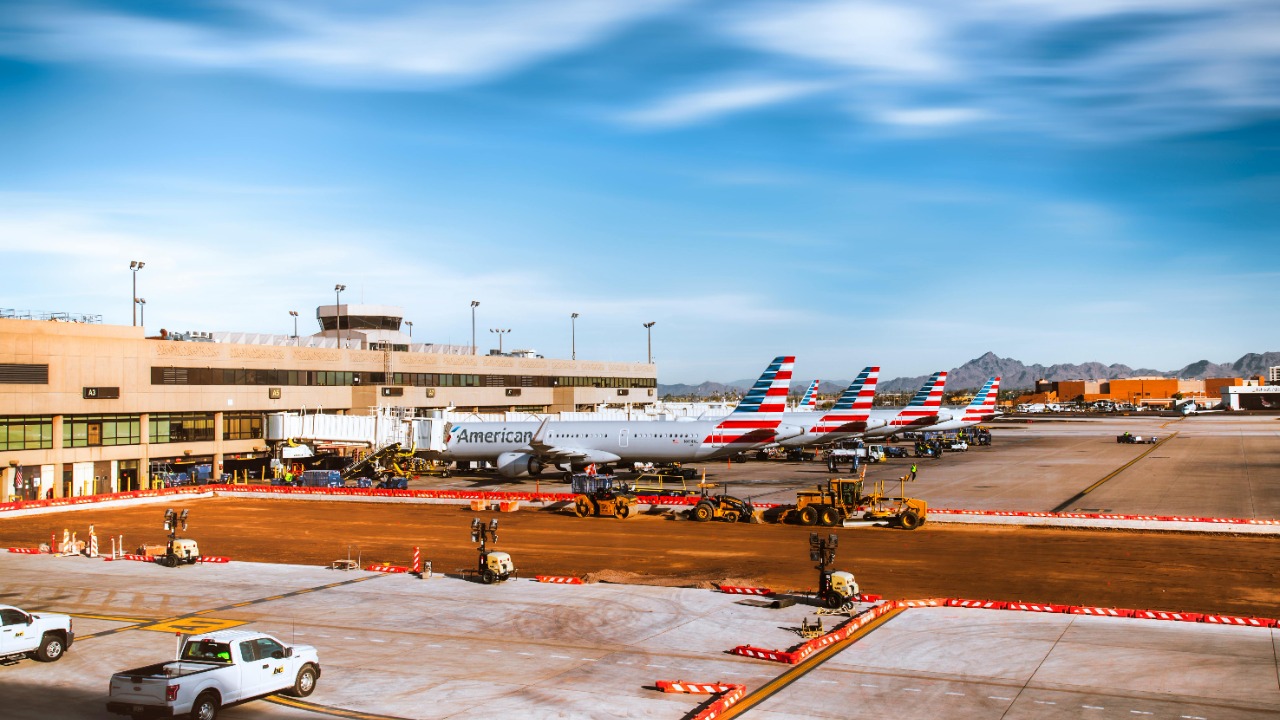
American Airlines has quietly removed one of the last big reasons to book its cheapest tickets, cutting AAdvantage rewards from basic economy and reshaping how millions of budget travelers earn status. The move turns the lowest fare class into a true no-frills product, stripping away miles and Loyalty Points that many flyers once relied on to climb the elite ladder. For anyone who built their travel strategy around squeezing value from basic economy, the rules of the game have changed overnight.
What exactly American Airlines just changed
American Airlines has stopped awarding AAdvantage miles and Loyalty Points on its basic economy tickets, turning those fares into a dead end for anyone chasing rewards. The airline had already positioned basic economy as a stripped down option with more restrictions on changes, boarding order, and seat selection, but now the cheapest seats no longer contribute to a traveler’s mileage balance or elite progress at all. On the carrier’s own description of basic economy, the product is framed as a lower price in exchange for tighter rules, and the latest update removes the loyalty upside that once softened those trade offs.
The shift is especially stark because AAdvantage miles typically accrue based on the price of a ticket, including the base fare and carrier imposed fees, and those earnings also feed directly into the Loyalty Points that determine elite status. American Airlines spells out that AAdvantage miles earn based on ticket price and that the same spending generates the Loyalty Points a customer will earn, which makes the decision to carve basic economy out of that structure a fundamental redesign of the program’s lowest tier. For basic economy buyers, the fare now buys transportation and little else.
How the cutoff works for tickets bought in Dec
The airline has tied the change to when customers purchase their tickets, not when they fly, which matters for anyone who booked early for trips in the months ahead. American Airlines has said that customers who buy a basic economy ticket on or after Wednesday, Dec. 17 are no longer eligible to earn AAdvantage miles or Loyalty Points on those flights, even if the travel itself happens later. That cutoff date, highlighted in a policy outline, means two passengers on the same flight could be treated differently if one bought before the mid December switch and the other after.
American Airlines has framed the update as part of a broader effort to stay competitive in a crowded marketplace, arguing that it needs to align rewards more closely with the revenue each customer brings in. In public messaging, the carrier has said the new policy reflects how it wants to reward higher spending travelers and avoid encouraging people to overpay for tickets they do not really need. The company described the change in a social media post as a way to adapt to the current marketplace, and the Dec. 17 purchase cutoff is the line that separates the old earning rules from the new reality for basic economy.
Why American says it is stripping basic economy rewards
American Airlines has presented the removal of AAdvantage benefits from basic economy as a strategic move rather than a simple cost cut, arguing that it needs to focus its loyalty currency on customers who generate more revenue. Executives have said the change is part of an effort to remain competitive, a phrase that appeared in coverage of how the airline is repositioning its cheapest fares in response to the broader market. In one report, American Airlines explained that ending the Advantage miles program for basic economy fares was tied to its push to stay ahead in a crowded field of carriers, a rationale echoed in Dec coverage of the decision.
The airline has also linked the move to the end of the post Covid luxury travel boom, a period when premium cabins and high fare tickets surged and loyalty programs leaned heavily on big spending customers. American Airlines has told investors and customers that it wants to concentrate rewards among higher paying passengers, a theme that appears in analysis of how the carrier is recalibrating after that boom faded. Reporting on the change notes that American Airlines is adjusting its loyalty strategy as demand normalizes, with one Dec breakdown pointing directly to the end of the post Covid luxury travel boom as context for the new basic economy rules.
Millions of AAdvantage members suddenly earn nothing on the cheapest fares
The practical impact of the change is that millions of AAdvantage members who rely on basic economy to keep costs down now earn nothing toward future trips or status when they choose those tickets. American Airlines has a vast loyalty base, and basic economy has been a popular way for price sensitive travelers to stay within budget while still participating in the rewards ecosystem. Coverage of the update has emphasized that American Airlines is changing how millions of travelers earn rewards on its cheapest tickets, with one widely shared post bluntly stating that American Airlines Ends Mileage and Loyalty Points on its lowest fare class and tagging the shift as STATUS GROUNDED for those flyers.
For many customers, the loss is not just about a few hundred miles here and there, but about the cumulative effect of multiple trips that used to inch them closer to elite thresholds. Travelers who built their year around a mix of basic economy and higher fares now find that the cheapest segments no longer help them requalify, which can mean losing perks like early boarding, free checked bags, and upgrades. Reports on the change describe how American Airlines is effectively telling its lowest fare customers that their loyalty no longer counts in the same way, a message that has landed especially hard among frequent but budget constrained flyers who once saw basic economy as a viable path into the AAdvantage elite ranks.
What still comes with a basic economy ticket
Even with the loyalty benefits stripped out, a basic economy ticket on American Airlines still includes the core elements of air travel, but with more strings attached than standard main cabin fares. The airline’s own breakdown of basic economy explains that customers get a seat in the main cabin and the same in flight experience, but face tighter rules on changes, cancellations, and seat assignments. On its basic economy information page, American Airlines notes that these tickets are designed to offer a lower price in exchange for more restrictions, which now include the absence of AAdvantage miles and Loyalty Points.
Basic economy customers still board after most other groups, often have to pay extra to choose seats in advance, and may face fees or limitations if they want to change their travel plans. The airline lists specific rules around baggage, boarding order, and same day changes for basic economy, making clear that the product is intentionally less flexible than standard economy. With the latest update, the trade off is starker: travelers accept all of those constraints and, unlike before, no longer receive any mileage credit or progress toward status for doing so, a shift that fundamentally changes the value proposition of the cheapest American Airlines fares.
Elite members and co‑branded cardholders: who is spared and who is not
One of the most sensitive questions around the policy change is whether elite AAdvantage members or co branded credit card holders get any special treatment on basic economy, and American Airlines has drawn a hard line. The airline has said that passengers who buy basic economy tickets on or after the mid December cutoff do not earn AAdvantage miles or Loyalty Points, regardless of their status level, which means even top tier elites see no credit from those fares. Earlier, American Airlines had allowed some flexibility for elites on basic economy, including access to certain upgrades, but the new rules focus squarely on eliminating mileage earning, a point underscored in coverage that notes how American Airlines basic economy tickets now leave status progress untouched.
Co branded credit card holders still earn miles from their card spending, but that does not change the fact that the flight itself no longer generates AAdvantage credit when booked in basic economy. American Airlines has long promoted “Eligible cards” that can help customers earn miles faster, and those products remain part of the loyalty ecosystem, but they no longer offset the loss of flight based earning on the cheapest fares. Reporting on the change notes that elite AAdvantage members will continue to be eligible for some first class upgrades and other perks when they buy higher fare classes, yet the airline has reversed the more generous stance it briefly took in 2018 on basic economy, returning to a stricter separation between discounted tickets and full loyalty benefits.
Customer backlash and the optics of cutting loyalty
The reaction from travelers has been swift and negative, with many accusing American Airlines of devaluing loyalty at the very moment customers are most price sensitive. Coverage of the decision has described how American Airlines Strips Loyalty Benefits From Basic Economy Tickets, Drawing Customer Backlash, capturing the anger of passengers who feel the airline is moving the goalposts after they spent years building up AAdvantage balances. In one detailed account, American Airlines announced that passengers would no longer earn miles or Loyalty Points when booking the airline’s cheapest tickets, a change that has been framed as a direct hit to budget conscious frequent flyers, as reported in Dec coverage of the backlash.
Critics argue that the move undermines the basic premise of a frequent flyer program, which is supposed to reward loyalty regardless of cabin or fare type, even if higher spenders earn more. Some travelers have publicly vowed to shift their business to competitors that still award miles on their lowest fares, while others say they will simply fly less with American Airlines and focus on cash savings instead of chasing status. The optics are particularly challenging because the change arrives after years of pandemic disruptions and shifting rules, leaving many customers feeling that the loyalty contract keeps getting rewritten in the airline’s favor.
How the new rules fit into a broader loyalty shake‑up
American Airlines has not made this change in isolation, but as part of a broader overhaul of how it allocates rewards across its fare structure. The airline has officially updated its AAdvantage loyalty program to reduce or eliminate earning on basic fares, concentrating benefits among higher paying passengers and premium cabins. One analysis of the update notes that American Airlines Cuts Loyalty Points on Basic Fares and that the program has been retooled so that rewards are more heavily concentrated among higher paying passengers, a shift detailed in a Dec industry breakdown of the new structure.
The decision to zero out earning on basic economy fits that pattern, signaling that American Airlines wants to push value oriented travelers either into higher fare buckets or out of the loyalty program’s inner circle. By tightening the link between revenue and rewards, the airline is betting that it can drive more customers to pay for main cabin or premium seats, where miles and Loyalty Points still accrue. At the same time, the move risks alienating a large segment of its customer base, especially those who used to rely on a mix of cheap and expensive tickets to maintain their status year after year.
What it means for competition and where travelers might look next
The change at American Airlines also raises questions about how other carriers will respond, particularly those that still award miles on their own basic economy products. Some competitors have already moved toward revenue based earning and stricter rules, but many still allow customers to earn at least some credit on the cheapest fares, which could become a selling point as American’s new policy sinks in. For example, United’s MileagePlus program explains that a round trip flight with a direct segment each way nets 2 Premier Qualifying Flights, and that Eligible award flights earn PQFs as well, with Both PQPs and PQFs counting toward status, as outlined in its MileagePlus points guide.
Travelers who feel burned by American’s decision may start comparing not just fares but also how each airline treats its lowest paying customers in terms of loyalty. If rivals continue to offer at least partial earning on basic economy, they could attract price sensitive frequent flyers who still care about status but no longer see value in American’s cheapest tickets. On the other hand, if competitors follow American’s lead and tighten their own rules, the industry could move toward a new normal where basic economy is purely a no frills, no rewards product, leaving loyalty programs focused almost entirely on higher fare travelers.
How to adapt your booking strategy in the new AAdvantage era
For travelers who want to stay with American Airlines despite the changes, the key is to rethink how and when to buy basic economy, and when it makes sense to pay more for a fare that still earns rewards. The airline’s booking engine makes it easy to compare different fare types on the same route, and customers can see how much extra it would cost to move from basic economy to main cabin, where AAdvantage miles and Loyalty Points still accrue. When searching for flights, American Airlines notes that Modifying trip details may result in a different fare and encourages customers to visit its site to find the most updated options, guidance that appears on its page to book and compare flights.
In practice, that means running the numbers on each trip: if the price gap between basic economy and a higher fare is small, the value of earning miles and status credit may justify the upgrade, especially for frequent travelers. Those who still choose basic economy should do so with clear eyes, recognizing that they are buying transportation only, without any contribution to their AAdvantage goals. Some customers may also look to regional coverage, such as reports from FOX 26 Houston, to track how the policy plays out in their home markets, while others will simply shift their loyalty to programs that still see value in rewarding every seat on the plane.
More From TheDailyOverview

Cole Whitaker focuses on the fundamentals of money management, helping readers make smarter decisions around income, spending, saving, and long-term financial stability. His writing emphasizes clarity, discipline, and practical systems that work in real life. At The Daily Overview, Cole breaks down personal finance topics into straightforward guidance readers can apply immediately.
