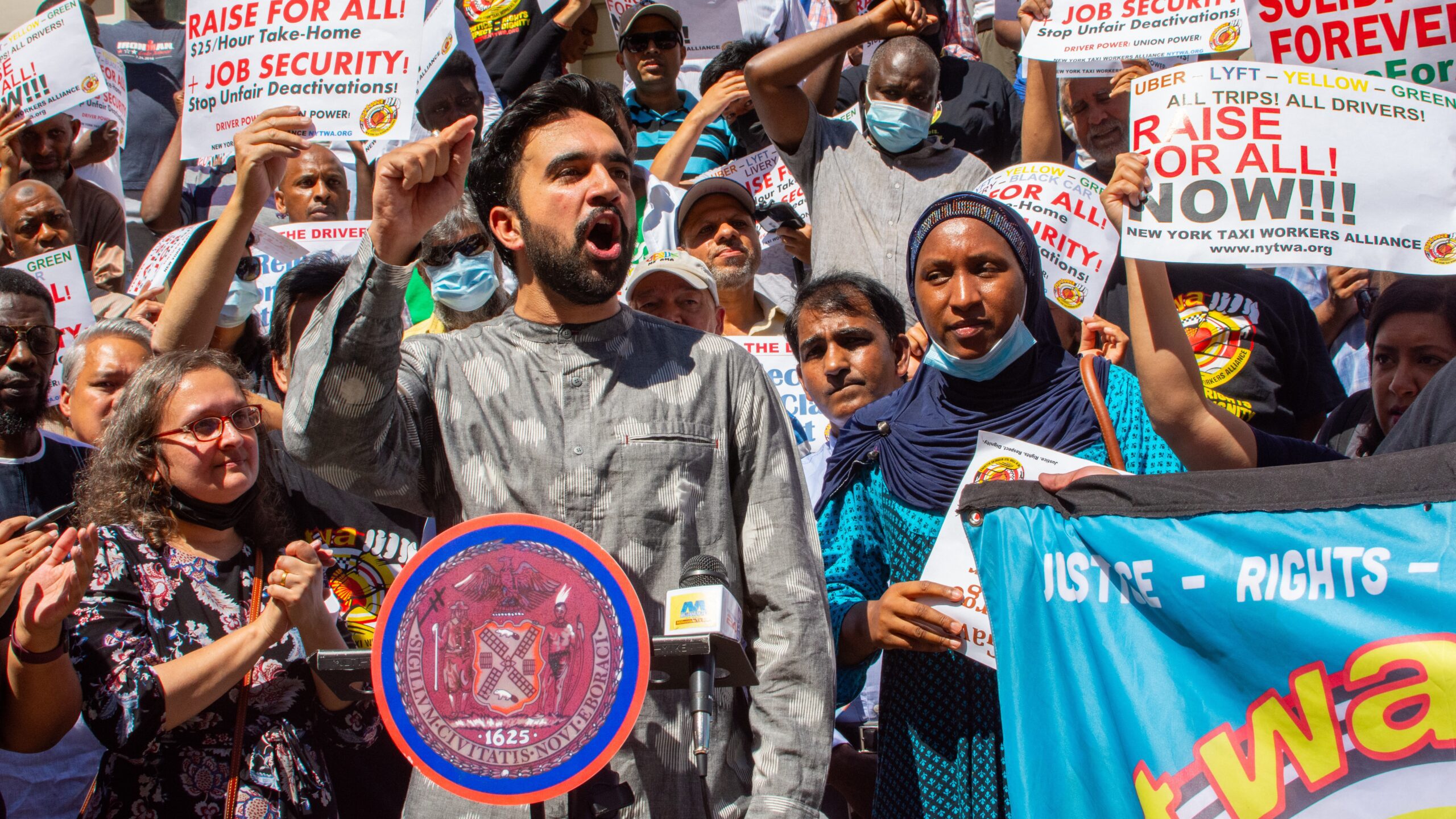
New York City Mayor Zohran Mamdani is trying to solve a $12 billion budget hole and reset the city’s approach to public safety at the same time. He is demanding higher taxes on the richest New Yorkers and the corporations that call the Big Apple home, while promising to dismantle the NYPD unit that polices protests. Taken together, the agenda amounts to a high‑stakes bet that voters are ready for a more confrontational stance toward both Wall Street and traditional law‑and‑order politics.
His critics say he is manufacturing a crisis to justify a long‑promised redistribution of wealth and power. His allies argue he is finally forcing the city’s most privileged residents and most controversial police units to answer for years of “gross fiscal mismanagement” and aggressive protest crackdowns. I see a mayor trying to turn campaign slogans into governing choices, with little interest in half measures.
The $12 billion hole and a tax reckoning for the top 1 percent
The starting point for Mamdani’s push is the budget gap he inherited from the Adams administration, which his team has pegged at $12 billion. In a detailed statement on what he calls the “Adams budget crisis,” Mayor Mamdani blamed “gross fiscal mismanagement” and insisted that working New Yorkers, who did not cause the shortfall, would not be sacrificed to close it. Instead of deep service cuts, he is leaning on the city’s highest earners and largest companies, arguing that they benefited from years of growth and can afford to contribute more.
New York City Mayor Zohran Mamdani has been explicit that the Big Apple’s wealthiest residents must pay higher taxes to help close the looming deficit, framing the choice as a test of whether the city will protect public services or shield the ultra‑rich. In national financial coverage, New York City is quoted tying the shortfall directly to his predecessor and warning that without new revenue, the city’s social safety net will fray. That framing sets up a clear political contrast: he is not just managing a crisis, he is assigning blame and asking the richest New Yorkers to pay for it.
How Mamdani wants to tax the rich
Mamdani’s plan is not a vague call for “shared sacrifice” but a targeted attempt to raise the effective burden on the top 1 percent and large corporations. In a televised interview, Mayor Zohran Mamda outlined a proposal to lift the top personal income tax rate from just under 21 percent to just over 22 percent, while also increasing levies on corporate profits. He has paired that with rhetoric about fairness, arguing that the city’s most successful firms rely on public infrastructure and talent pipelines that are now at risk if the deficit is not addressed.
He has been making this case for weeks. In a separate appearance, Mayor Zohran Mamdani was pressed on whether higher taxes would drive out wealthy residents, and he responded that those who “call the city home” have a responsibility to keep it solvent. He has also backed consumer‑facing measures like a ban on hotel “junk fees,” signaling that his tax agenda is part of a broader effort to shift costs away from ordinary residents and toward those with more capacity to pay.
Wall Street windfalls, relocation fears and the charge of a “phony” crisis
Critics of Mamdani’s approach argue that he is overstating the danger to justify a long‑planned ideological project. One sharply worded column accused him of pushing a “phony budget crisis” as cover to raise taxes on wealthy New Yorkers to fund a $10 billion “freebie‑filled” agenda, while downplaying the need to identify waste and fraud in city government. That piece, which framed his campaign promises as a pretext, underscored that he did in fact run on tax hikes for the rich and is now following through, a point captured in the line that he “did campaign on tax hikes on wealthy New Yorkers.”
Mamdani has tried to blunt those attacks by reframing the debate around structural choices rather than short‑term market swings. In a recent financial interview, Mayor Zohran Mamdani warned that even a Wall Street “bonanza” would not be enough to stabilize the city’s finances, calling the current financial crisis worse than the Great Recession nearly two decades ago. In a separate tech‑tinged profile, he urged skeptics to “move past the relocation debate over taxes,” arguing that the real question is how a modern city would design its tax code from scratch, and dismissing claims that his focus on inequities is “inaccurate and disingenuous” as quoted in the line beginning with “Let’s move past the relocation debate.”
The promise to “disband” the NYPD protest unit
On policing, Mamdani is taking an equally confrontational stance, zeroing in on the NYPD unit that handles protests and large demonstrations. He has said flatly that “we need to disband” that protest unit, a line that has ricocheted through national political coverage and alarmed law‑and‑order advocates. In one widely cited report, Mayor Zohran Mamdani is described as calling for higher taxes on NYC’s richest while signaling that the NYPD protest unit, which has been deployed at events like the United Nations General Assembly and papal visits, should be dismantled.
That stance is not new. As a candidate, Zohran Mamdani pledged on X to eliminate the NYPD’s Strategic Response Group, or SRG, a key unit that handles mass shootings and terrorism‑related incidents as well as protests. A conservative radio segment resurfaced that pledge, noting that Zohran Mamdani vowed to dismantle the same unit that police credit with saving lives after terror attacks. A separate political piece recalled how, in the aftermath of a Midtown shooting that left four people dead as New York City reeled from the carnage in midtown Manhatta, NYPD officers from that unit were among the first on the scene.
From campaign pledge to governing: SRG, protests and Jessica Tisch
Now in office, Mamdani is trying to translate that pledge into policy. In an early‑term assessment of his first 100 days, a political analysis noted that on Policing, the Mayor is in active discussions to dismantle the NYPD’s SRG and has reaffirmed his support for disbanding the NYPD’s protest unit to better protect New Yorkers exercising their constitutional rights. That same piece stressed that Mayor Mamdani sees the SRG as emblematic of a militarized approach to crowd control that he wants to move away from.
Advocates for civil liberties have seized on his comments as a rare chance to reshape how officers respond to demonstrations. In a detailed local report, Gothamist quoted Mamdani saying he is committed to disbanding the NYPD unit that polices protests and exploring alternative models for how officers could respond to demonstrations. At the same time, he has kept Jessica Tisch as police commissioner, a decision that drew intense scrutiny but was defended in an editorial that argued NYPD’s Tisch must heed Mamdani’s lead on reform. A separate version of that argument stressed that no post‑election decision by Mayor Mamdani garnered more attention than keeping Jessica Tisch in that role.
More From TheDailyOverview
*This article was researched with the help of AI, with human editors creating the final content.

Grant Mercer covers market dynamics, business trends, and the economic forces driving growth across industries. His analysis connects macro movements with real-world implications for investors, entrepreneurs, and professionals. Through his work at The Daily Overview, Grant helps readers understand how markets function and where opportunities may emerge.