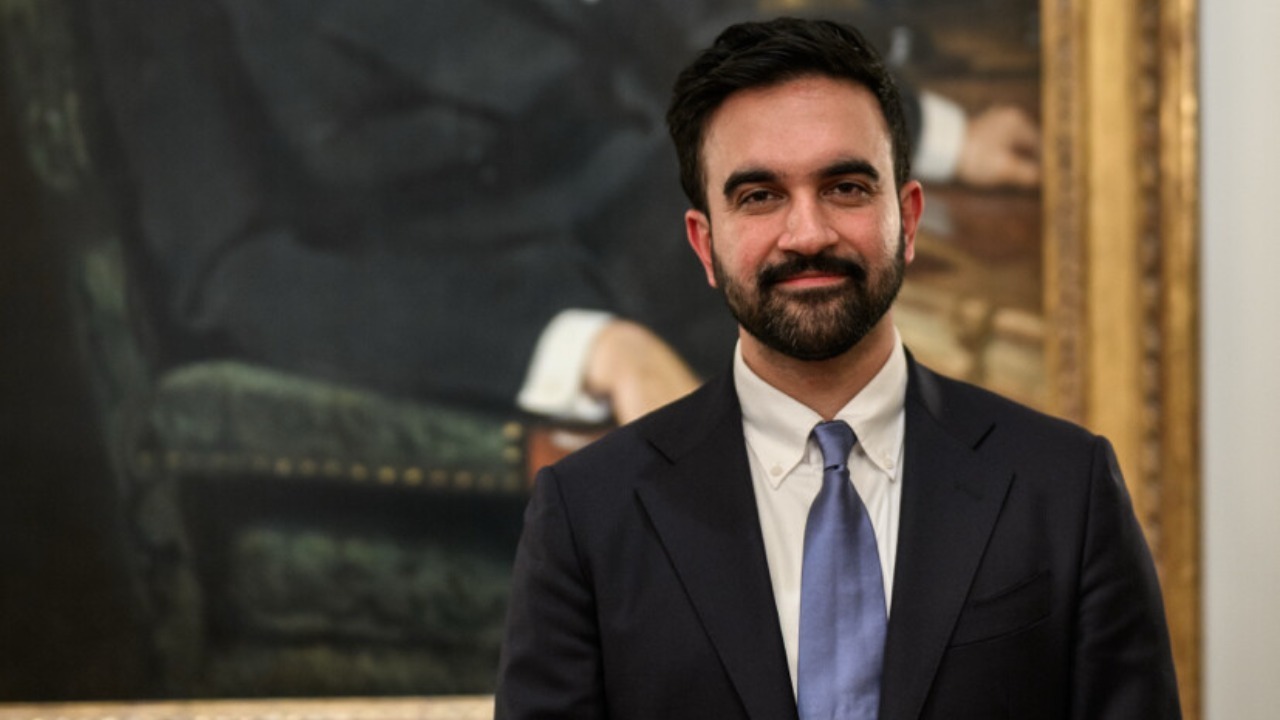
New York City Mayor Zohran Mamdani swept into office promising an aggressive housing agenda, from a sweeping rent freeze to a crackdown on what he cast as a “rent ripoff.” Now a yawning budget gap has forced him to slam the brakes on that push just as expectations from tenants and landlords peak. The collision between his ambitious promises and a suddenly exposed fiscal crisis is reshaping the politics of housing in New York and testing whether his brand of democratic socialism can survive contact with the city’s balance sheet.
Instead of rolling out detailed blueprints for new protections and construction, Mamdani is now consumed with a multibillion dollar shortfall that threatens basic services. The result is a mayor caught between renters who expected immediate relief and fiscal watchdogs warning that his signature ideas could deepen the hole he is trying to fill.
The $12 billion hole that changed the script
The turning point came when Mamdani publicly acknowledged that New York faces a roughly $12 billion gap over the next two years, a figure that could swell to $12.36 billion in the 2029 fiscal year if left unaddressed. That revelation instantly reframed his agenda: every new housing subsidy, enforcement unit, or construction incentive now competes with looming cuts to schools, transit, and social services. The mayor has tried to cast the crisis as the product of structural problems in how New York is funded, not just his own choices, but the sheer size of the shortfall has narrowed his room to maneuver.
In public appearances, Mamdani has insisted that outright austerity is not his first choice, describing potential budget cuts as a “last resort” while he presses Albany to change the revenue model between the state and the city. That puts him on a collision course with Gov Kathy Hochul, who has repeatedly said she will not increase state taxes to bail out New York. The standoff leaves the mayor squeezed between an inflexible state partner and a municipal ledger that will not balance itself, and it is in that squeeze that his housing agenda has stalled.
A rent freeze promise meets fiscal reality
Central to Mamdani’s campaign was a sweeping pledge to halt rent hikes for tenants in regulated apartments. He ran on a promise to freeze the rent, vowing as a democratic socialist to lock in a rent freeze for all stabilized apartments through the city’s Rent Guidelines Board while landlords and some economists called instead for minimal, constrained increases. That pledge, detailed in coverage of Mamdani, helped galvanize tenant groups who saw him as a rare mayor willing to confront the real estate lobby head on.
Yet experts have warned that such a blanket freeze could backfire in a city where rent-stabilized units already make up a large share of the housing stock. According to a 2023 government report cited in one analysis, rent-stabilized apartments accounted for a significant percentage of New York’s rentals, and critics argued that more regulation on top of existing caps would choke off investment and supply. Those concerns were sharpened when According to those experts, the rent increases that were already slated to take effect in October risked colliding with Mamdani’s freeze rhetoric, creating confusion for both tenants and owners about what rules would actually apply.
Landlords, “rent ripoff” politics, and a backlash
Even before the budget crisis fully surfaced, Mamdani’s housing agenda had triggered a fierce backlash from property owners. A prominent example is Landlords Fight Back Humberto Lopes, the founder and chief executive of H.L. Dynasty, a family real estate firm with about 100 buildings, who has emerged as a vocal critic of tighter rent rules. For owners like Lopes, the mayor’s rhetoric about cracking down on landlords translates into higher compliance costs, lower margins, and less appetite to maintain or upgrade aging housing stock, particularly in working class neighborhoods where profit margins are already thin.
The confrontation escalated when Mamdani staged what critics derided as a “rent ripoff” spectacle, using the bully pulpit to highlight high rents and fees while offering few concrete solutions. One editorial board argued that Mamdani was engaging in showboating that exposed his lack of real answers, blaming a tangle of city and state overregulation for driving up costs while the mayor focused on headline-grabbing events. That critique has only grown louder as the budget crisis has forced him to pause or slow new initiatives, leaving both tenants and landlords with more political theater than policy clarity.
A mayor on defense as critics say he “freezes”
The perception that Mamdani has stalled under pressure was crystallized in a contentious appearance where he was pressed for specifics on how he would close the city’s looming deficit. Mayor Zohran Mamdani, questioned on a Wednesday about his plans to plug the massive upcoming gap, served up plenty of finger pointing but few details, according to one account that said he effectively froze when asked for details. That moment has become shorthand among his opponents for a broader pattern: bold slogans on housing and inequality, followed by hesitation when the conversation turns to tradeoffs and line items.
Conservative and market oriented analysts have seized on that narrative to argue that Mamdani Is About to Screw Up NYC Housing. One investor newsletter framed his approach under the headline Mamdani Is About to Screw Up NYC Housing, Surprised, tying his policies to what it called The Great Gen Z Buyer remorse as younger homeowners confront higher costs and fading “dopamine highs” from pandemic era gains. In that telling, captured in a critique of Mamdani Is About, the mayor’s instinct to regulate first and budget later risks deepening both the housing crunch and the fiscal mess.
High expectations, thin answers, and what comes next
Part of what makes Mamdani’s current predicament so stark is the contrast with the optimism he projected at the start of the year. New York City Mayor Zohran Mamdani hailed the “start of a new era for New York City” on a Thursday, declaring that he was taking aim at housing costs and public corruption in tandem. That upbeat framing, captured in a social media post featuring New York City, set expectations that his administration would quickly deliver tangible relief for renters while cleaning up the city’s finances. Instead, the revelation of the $12 billion gap and the subsequent slowing of his housing push have left that “new era” looking more like a familiar grind of budget hearings and incremental tweaks.
Critics on the center right have sharpened their attacks, with the Post Editorial Board arguing that Mayor Zohran Mamdani has plenty of slogans but “lack of real answers,” while policy analysts warn that his rent freeze rhetoric, highlighted in coverage of Mamdani’s promise, could collide with the fiscal constraints detailed in the New York budget projections. For now, the mayor is trying to thread a narrowing needle: reassure tenants that he has not abandoned his housing crusade, convince landlords that he will not regulate them into insolvency, and persuade Gov Kathy Hochul and other state leaders to give New York more fiscal breathing room. Whether he can do all three at once, without freezing again when the details are demanded, will determine if his housing agenda revives or remains stuck in the shadow of exploding budget holes.
More From TheDailyOverview
*This article was researched with the help of AI, with human editors creating the final content.

Elias Broderick specializes in residential and commercial real estate, with a focus on market cycles, property fundamentals, and investment strategy. His writing translates complex housing and development trends into clear insights for both new and experienced investors. At The Daily Overview, Elias explores how real estate fits into long-term wealth planning.