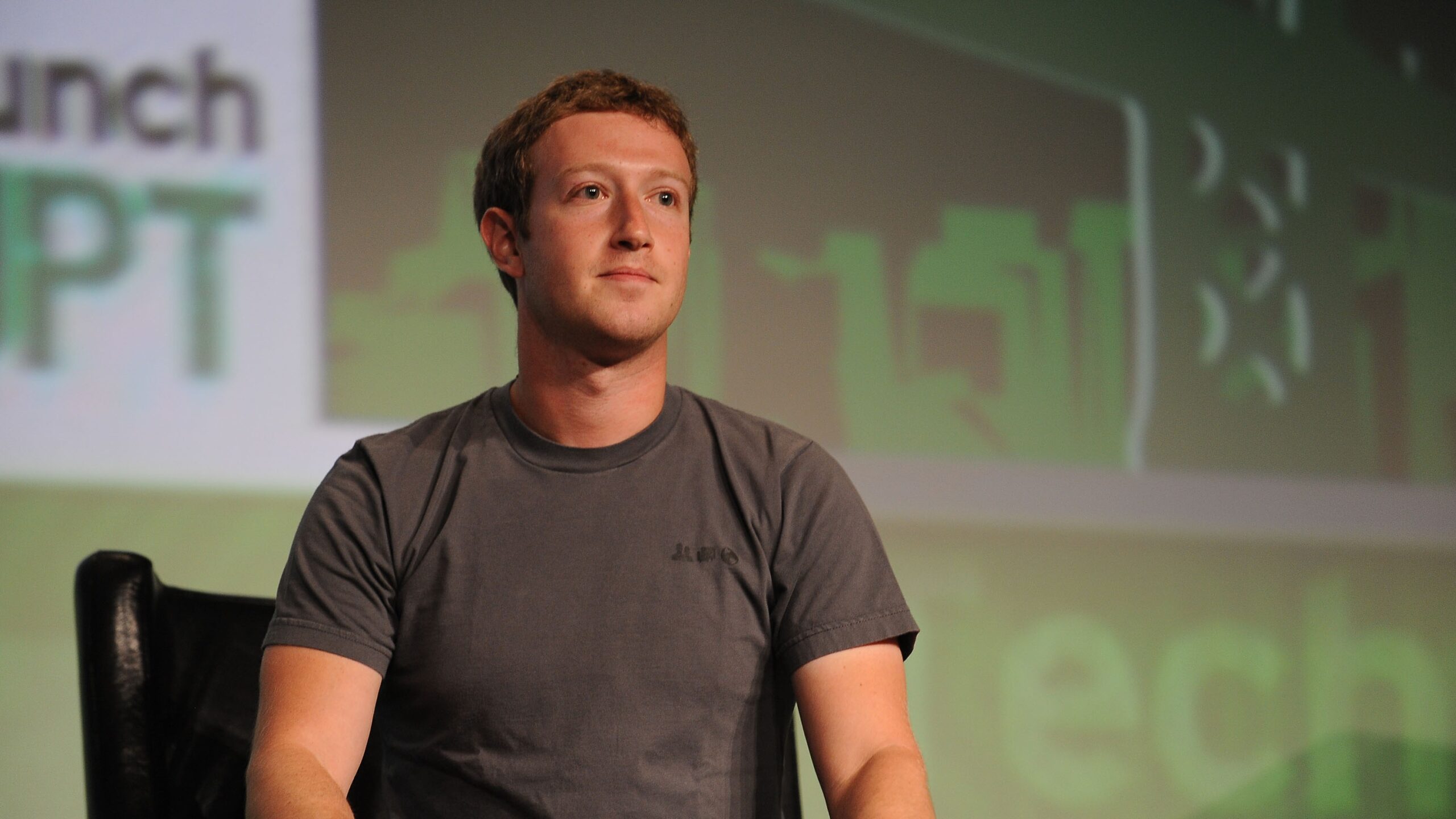
Mark Zuckerberg has surged into fourth place on the global wealth league table, overtaking Jeff Bezos after a sharp market reaction to Amazon’s latest earnings. The reshuffle underscores how quickly fortunes can swing when tech giants miss expectations and investors reprice their faith in different business models. It also highlights the growing premium markets are placing on artificial intelligence bets compared with more mature e-commerce and cloud operations.
The shift is not just a vanity milestone for two high-profile founders. It is a snapshot of where capital is flowing in the current tech cycle, and of how investors are reassessing risk, growth and leadership across the sector. I see Zuckerberg’s rise and Bezos’ stumble as a case study in how narrative, strategy and timing collide on the modern billionaire scoreboard.
How Zuckerberg vaulted into fourth place
The immediate catalyst for Mark Zuckerberg’s climb was a dramatic jump in his personal fortune over a single trading session. Earlier this week, his wealth increased by more than $22 billion in one day, a move large enough to push him into the number four slot on the real-time billionaire rankings that track fortunes tick by tick. That spike reflects the market’s renewed enthusiasm for his company’s pivot toward artificial intelligence and the belief that its vast user base can be further monetized as new AI products roll out.
According to the latest Real Time Billiona tallies, Zuckerberg’s net worth jumped by over $22 billion on Thursday, a single day move that would be extraordinary even by tech standards. That gain, recorded just before markets closed out the week, set him up so that on Friday he became the world’s fourth-richest person, a status that reflects both his concentrated stake and the market’s conviction that his AI-focused strategy can keep delivering.
Amazon’s earnings miss and Bezos’ slide
On the other side of the ledger, Jeff Bezos slipped down the rankings after investors punished Amazon for an earnings report that fell short of lofty expectations. The company’s latest results rattled confidence in its near term growth trajectory, particularly in core retail and some parts of its cloud and advertising operations, and the share price dropped sharply as traders recalibrated their models. For a founder whose wealth is still heavily tied to the stock, that kind of move translates almost instantly into a lower standing on the global rich list.
Reporting on the fallout from Amazon’s earnings miss notes that Bezos’ net worth was cut back as the stock sold off, clearing the way for Zuckerberg to pass him and settle into the fourth spot on the billionaire rankings. The same analysis lists other tech titans such as Sergey Brin, with a fortune of $246.6 billion, to show how tightly clustered the very top of the list has become and how a single bad quarter can reshuffle positions. In this case, the combination of Amazon’s stumble and Meta’s surge meant that, by Friday, Zuckerberg had overtaken Bezos, a reversal of the long stretch when Bezos and Amazon dominated the wealth rankings.
Volatility at the very top of the rich list
The Zuckerberg Bezos reshuffle is part of a broader pattern of extreme volatility among the world’s richest people. At the very top, fortunes can swing by tens of billions of dollars in a matter of hours as markets react to earnings, regulatory news or shifts in investor sentiment. That dynamic has been on full display with Elon Musk, who has reclaimed the title of world’s richest person with an estimated fortune of US$400 billion, powered by the performance of his companies and the market’s appetite for exposure to his ventures.
Coverage of Musk’s latest ascent emphasizes that volatility is the rule rather than the exception in this rarefied tier. It notes that Jeff Bezos, which for years dominated the rankings with the success of Amazon, has seen his position ebb and flow as investors respond to his companies’ results and the mood of the market. The same reporting stresses that these rapid changes in standing, from Musk’s US$400 billion peak to Bezos’ recent slide, are driven by the interplay between company performance and investor psychology, a pattern that now also explains Zuckerberg’s leap past Bezos, as detailed in the analysis of these swings.
AI optimism versus e-commerce maturity
What makes Zuckerberg’s rise particularly striking is the strategic backdrop. Investors are rewarding his aggressive push into artificial intelligence, betting that new recommendation systems, generative tools and ad products can unlock fresh revenue streams on top of an already massive social and messaging footprint. The market is effectively placing a premium on future AI-driven growth, even as it discounts some of the risks and heavy spending that come with that pivot.
In contrast, Amazon is increasingly treated as a mature platform whose core retail business, while still enormous, no longer carries the same hyper growth aura it once did. The company’s cloud arm and advertising operations remain powerful, but the latest earnings miss reminded investors that even giants can disappoint when expectations are stretched. That is why the same week that Zuckerberg’s wealth surged by more than $22 billion and he moved into the fourth slot on the global list, Bezos was sliding, a divergence that mirrors how markets are currently valuing AI-centric narratives versus more established e-commerce and cloud stories.
What the reshuffle signals for big tech
For big tech, the symbolism of Zuckerberg overtaking Bezos matters almost as much as the raw numbers. It signals that the market is willing to re-rate companies quickly when it believes their strategic direction aligns with the next major wave of technology, in this case AI. It also shows that founders who remain deeply tied to their companies’ equity, as Zuckerberg does, can see their personal fortunes move in lockstep with investor enthusiasm for those bets.
At the same time, the episode is a reminder that no position on the rich list is permanent. Earlier eras were defined by the rise of online retail and cloud computing, which propelled Bezos and Amazon to the top, just as the current moment is being shaped by AI and space ventures that have boosted Zuckerberg and Musk. As the latest billionaire tallies show, Mark Zuckerberg on Friday became the world’s fourth-richest person, supplanting Jeff Bezos after Amazon’s shares plunged, a shift that encapsulates how quickly fortunes can change when markets decide one vision of the future looks more compelling than another, as reflected in the latest rankings.
More From The Daily Overview
*This article was researched with the help of AI, with human editors creating the final content.

Grant Mercer covers market dynamics, business trends, and the economic forces driving growth across industries. His analysis connects macro movements with real-world implications for investors, entrepreneurs, and professionals. Through his work at The Daily Overview, Grant helps readers understand how markets function and where opportunities may emerge.

