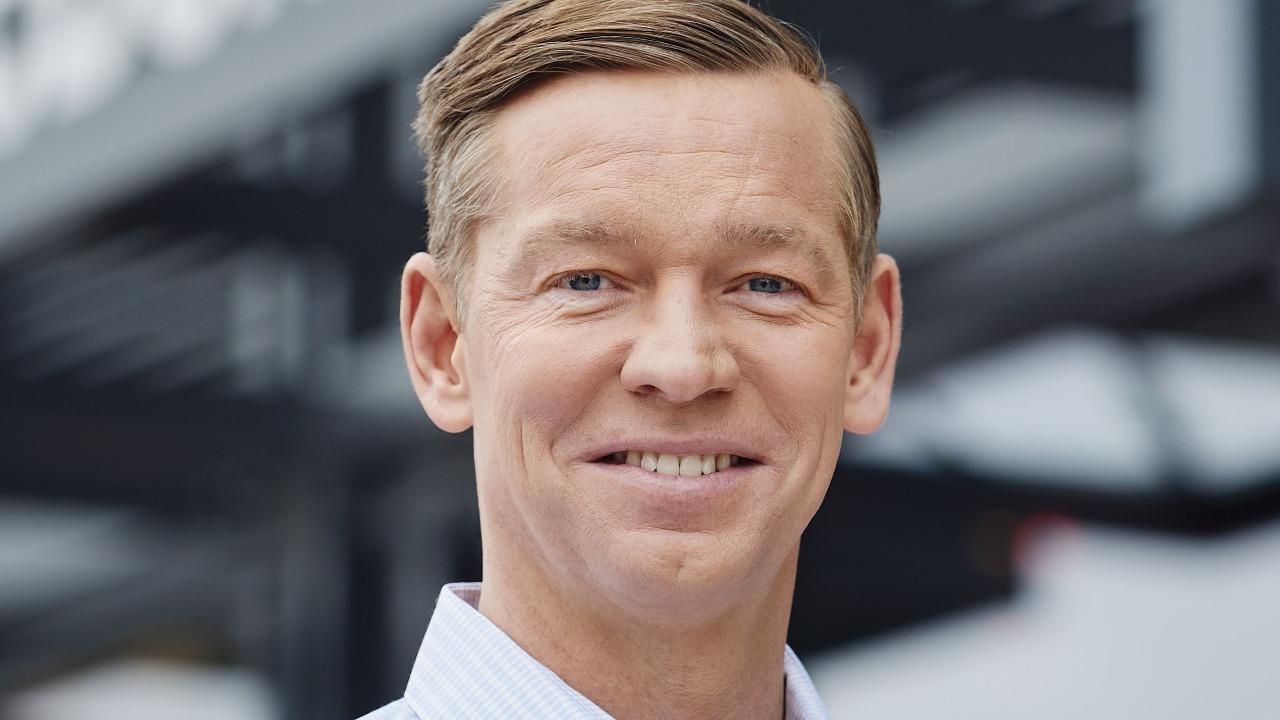
McDonald’s top executive has sparked a fresh round of debate about what it really takes to get ahead, after sharing a blunt piece of career advice that he warned could “hurt your feelings.” Instead of the usual corporate platitudes, his message pushed responsibility back onto workers themselves, challenging anyone who feels overlooked to rethink how they show up and what they expect from their employer.
At a moment when many employees are questioning loyalty, pay and work-life balance, the comments land like a splash of cold water. I see them as part wake-up call, part provocation, and they raise a hard question for anyone trying to move up the ladder: are you waiting for someone to discover you, or are you actively making yourself impossible to ignore?
The Instagram video that lit the fuse
The latest flashpoint did not come from a shareholder letter or a conference stage, but from a short Instagram video that McDonald’s CEO chose to post directly to his followers. In the clip, he delivers a tight, unsparing message about career ownership, warning viewers that what he is about to say might sting. By choosing Instagram instead of a closed-door meeting, he effectively turned what could have been internal coaching into a public challenge aimed at anyone who feels stuck in their job.
According to reporting on the Instagram video, the CEO frames his advice as something people need to hear even if they do not want to. The clip is described as direct and personal, with the executive speaking to camera rather than hiding behind a press release. That choice matters, because it signals that he understands the power of social platforms to shape workplace expectations, and he is willing to use that power to push a tougher message than many corporate accounts usually dare to share.
“Own it” and stop waiting for a rescue
At the core of the CEO’s message is a simple but uncomfortable idea: no one is coming to save your career for you. He stresses that if you are unhappy with your trajectory, you have to “own it” instead of waiting for a manager, a mentor or a company program to magically open doors. That kind of language cuts against the grain of softer corporate communications, which often emphasize support structures and development pathways more than personal accountability.
Coverage of the video notes that he tells viewers, in effect, that they have to make things happen for themselves, not sit back and hope someone notices their potential. In one account, he is quoted adding that “you’ve got to own it,” a phrase that has become shorthand for his entire message in the CEO Instagram coverage. I read that as a direct rebuttal to the idea that talent alone is enough. In his view, the people who move up are the ones who treat their careers like a project they are responsible for driving, not a prize someone else will eventually hand them.
Why the message may “hurt your feelings”
There is a reason the executive prefaces his advice by warning that it might hurt. For anyone who feels overlooked, underpaid or boxed in by circumstances, being told to take more responsibility can sound like blame. It implies that if you are not where you want to be, part of the problem might be your own choices, your visibility or your effort, not just the system around you. That is a hard pill to swallow if you believe you have already been doing everything right.
Reports on the video emphasize that he is not sugarcoating the emotional impact of his words, describing the advice as something that may “hurt your feelings” precisely because it challenges comforting narratives about unfair bosses or broken organizations. In one detailed account, the CEO is portrayed as pushing back on the expectation that leaders will always be the ones to open doors for their teams, arguing instead that people need to be proactive in creating their own opportunities, a point highlighted in the report on opening doors. I see that as a deliberate attempt to reset the emotional contract between workers and employers, even if it risks sounding unsympathetic to those facing real structural barriers.
From the corner office to the front line
What makes this message resonate beyond social media is who is saying it. The speaker is not a motivational influencer but the CEO of McDonald’s, a company whose workforce stretches from corporate strategists to hourly crew members. When someone at that level talks about career ownership, it inevitably raises questions about how his words apply to people on the front line who may feel they have limited control over their schedules, pay or promotion paths.
Accounts of the video and its reaction underline that the CEO is speaking from the vantage point of someone who has navigated the climb to the top of a global brand. That perspective carries weight, but it also invites scrutiny. Workers and observers are left to ask whether the same rules he is promoting on Instagram are reflected in how McDonald’s actually manages talent, from performance reviews to internal mobility. The reporting on his stance on opening doors notes that he explicitly challenges the idea that leaders alone are responsible for unlocking careers, which is a significant statement coming from someone whose decisions shape opportunities for thousands of employees.
The Trump, Filet, Fish and Impact Summit backdrop
The Instagram message did not emerge in a vacuum. It arrived in the same broader moment when President Donald Trump was engaging directly with McDonald’s leadership about the business itself. During the McDonald’s Impact Summit, reporting notes that Trump weighed in on how the company could improve its iconic Filet-O-Fish sandwich, inserting the presidency into a conversation about product strategy that would normally be left to marketers and chefs.
One account describes how, at the Impact Summit, Trump told McDonald’s how it could improve the Filet-O-Fish, underscoring how closely the brand is watched at the highest levels of politics and business. The same coverage that details the president’s comments on the Filet-O-Fish suggestion also highlights the CEO’s insistence that people must make things happen for themselves. I see a throughline there: whether the topic is a menu item or a career, the message from the top is that McDonald’s is expected to keep evolving, and so are the people who work for it.
Career advice in the age of Instagram
The choice to deliver this kind of message on Instagram is not incidental. Social platforms have become a primary channel for executives to shape their personal brands and, by extension, their companies’ cultures. By using Instagram, the CEO is speaking in the same feed where employees might scroll past creators talking about quiet quitting, remote work and burnout. His video effectively enters that conversation with a counterpoint: instead of pulling back, he is urging people to lean in and take more control.
Reporting on the clip notes that the CEO has an active social media presence and that this latest video fits into a pattern of using platforms like Instagram to share unfiltered thoughts on leadership and growth. The coverage of his Instagram use points out that he is not just posting polished brand campaigns, but also personal reflections that blur the line between corporate communication and individual commentary. I see that as part of a broader shift in executive behavior, where leaders are expected to be visible, opinionated and accessible in the same spaces where their employees spend their downtime.
What “owning it” looks like in practice
It is one thing to tell people to own their careers, and another to spell out what that actually means. Implicit in the CEO’s message is a set of behaviors that go beyond simply working hard. Owning it can mean asking for feedback instead of waiting for an annual review, volunteering for stretch assignments, or building skills outside of formal training programs. It can also mean being honest about whether your current environment will ever give you the opportunities you want, and making the difficult decision to move on if the answer is no.
The reporting that quotes him saying “you’ve got to own it” frames that line as a call to action, not a slogan. In the context of his broader comments about people needing to make things happen for themselves, as highlighted in the report on making things happen, the phrase points toward a more entrepreneurial mindset inside large organizations. I interpret that as encouragement for employees to treat their roles less like static job descriptions and more like platforms they can shape, whether that means learning data skills to move into analytics or taking on cross-functional projects that expose them to new parts of the business.
The tension between personal responsibility and structural limits
Still, there is a real tension in telling workers to take full ownership of their careers when many face constraints they did not choose. Hourly employees juggling multiple jobs, caregivers with limited flexibility, or workers in regions with few employers may hear the CEO’s message and wonder how much control they truly have. Personal responsibility is powerful, but it does not erase pay scales, scheduling practices or promotion bottlenecks that are set from above.
The same reporting that amplifies his call for people to open doors for themselves also makes clear that he is speaking from a position of significant authority. When he says leaders are not solely responsible for creating opportunities, as noted in the coverage of his blunt advice, it can sound to some like a retreat from managerial accountability. I see the healthiest interpretation as a both-and: companies still need fair systems, transparent criteria and real pathways, while individuals are challenged to use whatever room they do have more aggressively. The risk is that if the balance tips too far toward self-reliance, workers who are already disadvantaged may feel blamed for outcomes they cannot fully control.
Why blunt advice like this is not going away
Whether people applaud or resent the CEO’s message, it reflects a broader shift in how leaders talk about work. After years of focus on empathy, flexibility and mental health, some executives are now reintroducing sharper language about performance, ambition and resilience. The McDonald’s video fits that pattern, pairing acknowledgment that the message may hurt with a refusal to dilute it. In a labor market that remains competitive in many sectors, that kind of candor is likely to resonate with some audiences even as it alienates others.
From my vantage point, the fact that this short Instagram clip has been dissected in multiple reports shows how hungry people are for clear, if uncomfortable, guidance about their careers. The CEO’s insistence that “you’ve got to own it” and that no one else is obligated to open doors for you may not be the whole story, but it is a useful counterweight to the idea that success is something bestowed rather than built. For anyone watching from a cubicle, a restaurant counter or a home office, the challenge is to take the part of that message that is empowering, while still demanding that leaders like him back up their words with systems that give every worker a fair shot at proving what they can do.
More From TheDailyOverview

Grant Mercer covers market dynamics, business trends, and the economic forces driving growth across industries. His analysis connects macro movements with real-world implications for investors, entrepreneurs, and professionals. Through his work at The Daily Overview, Grant helps readers understand how markets function and where opportunities may emerge.