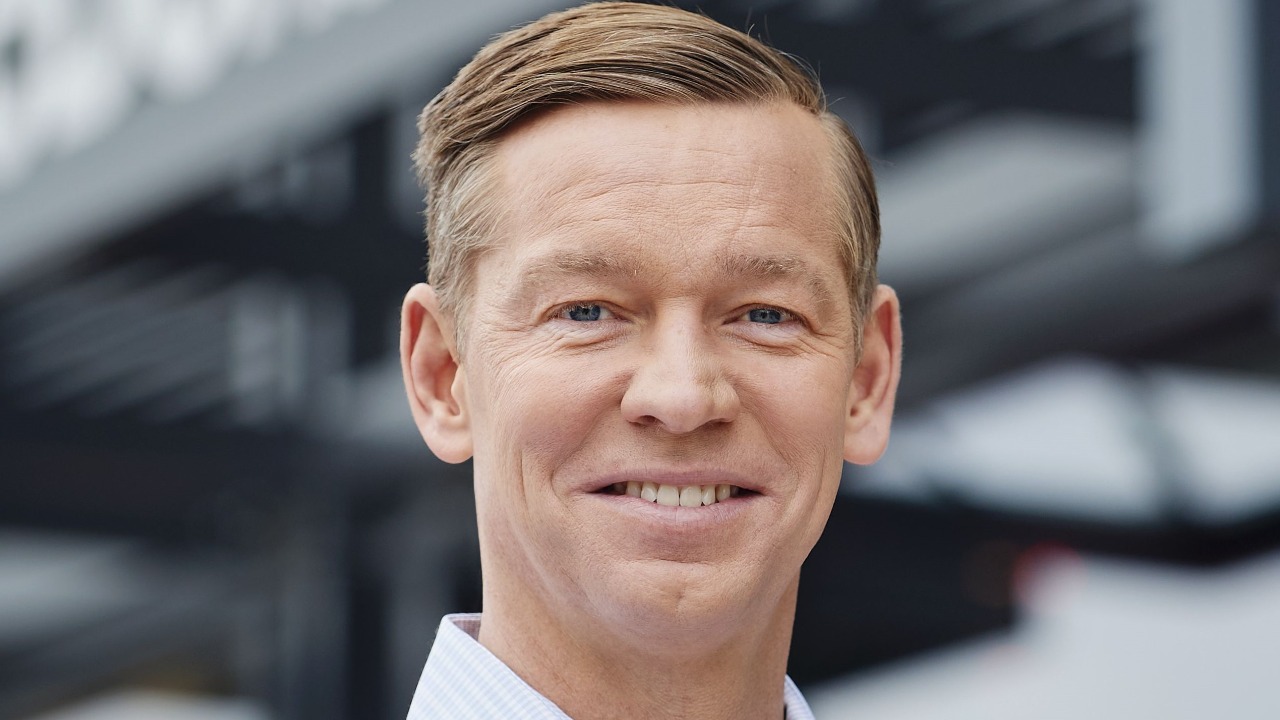
When a chief executive warns that his advice might hurt, most people brace for a lecture about working harder. McDonald’s chief executive officer Chris Kempczinski is going somewhere sharper: he is telling ambitious employees that the biggest obstacle to their careers is often the story they tell themselves about how advancement works. His recent comments, framed as the kind of feedback he would give if he were not worried about bruised egos, land like a reality check for anyone waiting for a manager to swoop in and unlock their potential.
At a time when workers are juggling hybrid schedules, burnout and constant reorgs, his message is deliberately unsentimental. Instead of promising that talent will eventually be recognized, he is urging people to treat their careers like a product launch, with clear ownership, uncomfortable feedback and a bias for action. The result is a playbook that is less about climbing a corporate ladder and more about refusing to outsource your trajectory to anyone else.
The Instagram moment that set the tone
The bluntest version of Kempczinski’s message arrived in an Instagram Reel that he introduced with a disarming caveat: “Sorry if this advice is a little blunt.” In that clip, labeled with the prompt “What’s some harsh feedback you’ve been given that turned out to be helpful,” he positions himself as the leader willing to say the quiet part out loud about stalled careers, using the casual, vertical-video format of Instagram to reach far beyond McDonald’s headquarters. The framing is not accidental; by acknowledging upfront that his words may sting, he signals that comfort is not the goal, clarity is.
In a longer cut of the same Reel, he goes further, introducing the segment with the line that has since ricocheted across social feeds: “Is the career advice I would give you if I wasn’t afraid to hurt your feelings. You’re ready for it. Have a thick skin.” That phrasing, captured in the full Instagram video, is not just a hook, it is a test. By telling viewers they are “ready for it” and instructing them to “Have a thick skin,” Kempczinski is effectively filtering for people who are willing to trade short-term comfort for long-term agency.
“Own your career” means stop waiting for a savior
The core of Kempczinski’s argument is deceptively simple: no one cares about your trajectory as much as you do, so act accordingly. As chief executive officer of McDonald’s, he has distilled that into a mantra, urging employees to “Own Your Career” and warning that even the best mentors or supportive managers cannot substitute for personal accountability. In his view, relying on a boss to map out your next move is a strategic error, a point he has reinforced in detailed comments about why professionals must take full ownership of their paths.
That stance is consistent with how he describes the limits of corporate support. While he acknowledges that mentors can open doors, he is explicit that they cannot walk through those doors for you or guarantee outcomes. Reporting on his comments notes that he has framed this as a corrective to the belief that a single sponsor or high-profile project will magically unlock advancement, a misconception he has pushed back on in CHICAGO speeches about why people may be wrong about how their careers actually move.
The “hurt your feelings” warning, decoded
When Kempczinski warns that his guidance may “hurt your feelings,” he is not trying to be provocative for its own sake. He is signaling that his view of career progress clashes with a comforting narrative in which hard work automatically leads to promotion. In coverage of his recent Instagram remarks, he is quoted cautioning that some professionals are misreading their own situations, and that the gap between their expectations and reality is what stings. That tension is captured in reports that describe how the McDonald’s CEO warns that his career advice may not land softly.
He has framed this as “tough love with the McDonald’s CEO,” a phrase used in descriptions of the video that underline his intent to jolt people out of passivity rather than coddle them. The tough-love posture is not limited to social media clips; it aligns with his broader insistence that professionals stop outsourcing blame for stalled progress and instead interrogate their own choices, skills and visibility. That is why coverage of his comments emphasizes that he is less interested in soothing frustration than in challenging the assumptions that keep people stuck, a theme that runs through the new Instagram video that has drawn so much attention.
From fast-food counter to corner office: why his vantage point matters
Part of what gives Kempczinski’s message weight is the scale and complexity of the organization he runs. As chief executive officer of McDonald’s, he oversees a global system that spans drive-thru crews, franchise owners and corporate strategists, which means he sees career arcs from the entry-level counter to the executive suite. Reports on his recent comments note that he has used that vantage point to argue that the people who advance are not always the most technically gifted, but the ones who consistently seek feedback, volunteer for stretch assignments and make their ambitions visible to decision-makers, a pattern he has highlighted in coverage of his blunt advice.
He has also been explicit that his own rise was not a straight line, and that he benefited from leaders who were willing to give him unvarnished feedback. In one account of his remarks, he is described reflecting on how candid critiques early in his career helped him recalibrate, a theme that surfaces again in a Story by Sophie Caldwell that recounts his willingness to share those lessons publicly. That history helps explain why he is now urging others to seek out the kind of feedback that might initially feel harsh but ultimately proves career-defining.
How to apply his playbook without the corporate gloss
Stripped of corporate jargon, Kempczinski’s advice translates into a few concrete behaviors that any worker can test. First, stop assuming that doing your current job well is enough, and start asking what skills or experiences would make you undeniable for the role you want next. Second, replace vague frustration with specific questions, such as asking a manager what it would take to be trusted with a major client, a new market or a cross-functional project. His own comments about not relying solely on others to chart your path, echoed in detailed reporting on why employees should not depend entirely on managers, point directly to this kind of proactive questioning.
There is also a mindset shift embedded in his message: treat feedback as data, not as a verdict on your worth. When Kempczinski invites people to recall harsh feedback that turned out to be helpful, he is normalizing the idea that criticism is a career asset rather than a personal attack. That is why his “tough love” framing resonates beyond McDonald’s, and why coverage of his remarks has stressed that he is challenging professionals to build the resilience to hear what they would rather avoid. In that sense, his viral comments are less a one-off sound bite and more a standing invitation to trade fragile pride for durable progress, a theme that runs through the broader discussion of his advice and the reactions it has sparked.
More From TheDailyOverview

Grant Mercer covers market dynamics, business trends, and the economic forces driving growth across industries. His analysis connects macro movements with real-world implications for investors, entrepreneurs, and professionals. Through his work at The Daily Overview, Grant helps readers understand how markets function and where opportunities may emerge.