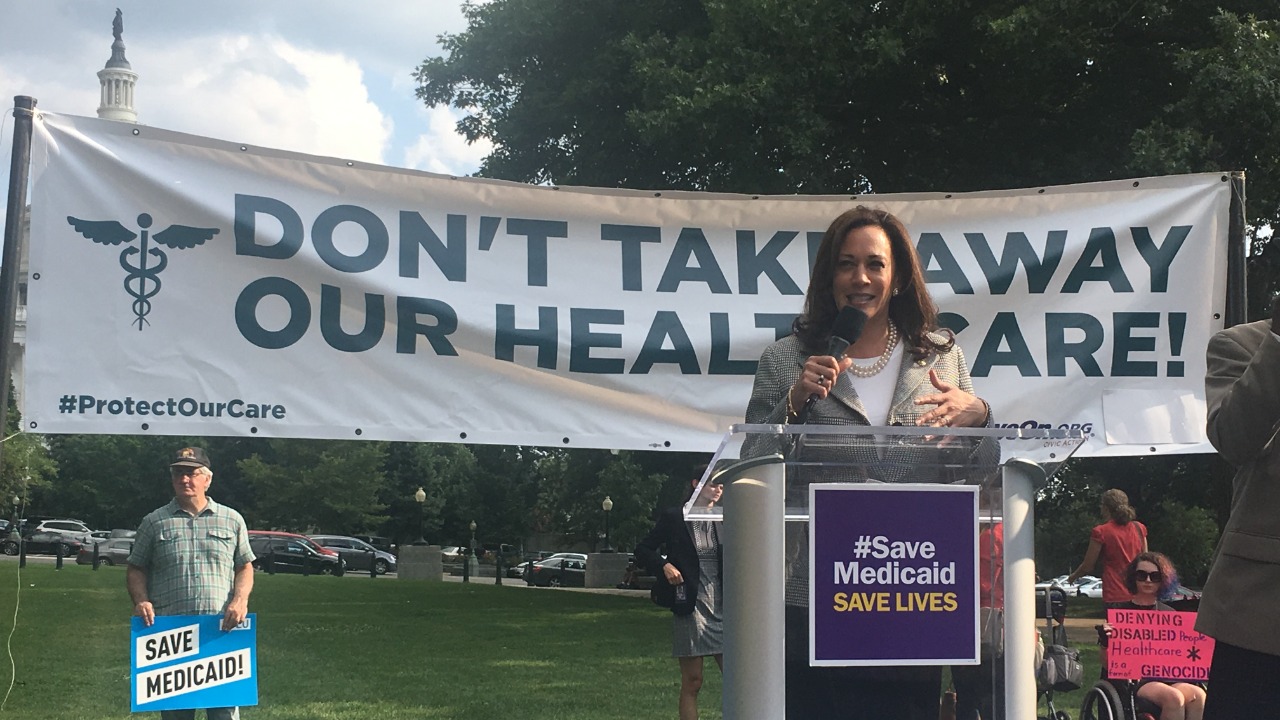
The implementation of Trump’s tax law has set the stage for significant changes in the healthcare landscape, particularly affecting Medicaid. Experts predict that millions of Americans will lose their Medicaid coverage as a direct result of these legislative changes. This exploration delves into the implications of the tax law, examining the numbers and exploring the broader impact on public health.
The Genesis of the Tax Law

Trump’s tax reform was designed to stimulate economic growth by reducing corporate tax rates and simplifying the tax code. However, embedded within its provisions are significant changes that impact healthcare funding, particularly Medicaid. The law’s primary objective was to lower taxes for businesses and individuals, but it also aimed to reduce the federal deficit by cutting spending in other areas, including healthcare subsidies.
Key provisions in the tax law that impact Medicaid include the repeal of the individual mandate, a component of the Affordable Care Act (ACA) that required individuals to have health insurance or face a penalty. This repeal led to a projected increase in uninsured rates, indirectly affecting Medicaid as more individuals dropped their coverage. Historically, tax policies have played a crucial role in shaping healthcare funding. For example, the 2001 Economic Growth and Tax Relief Reconciliation Act also had indirect effects on healthcare by influencing state budgets, a pattern echoed in the current scenario.
Impact on Medicaid Enrollment
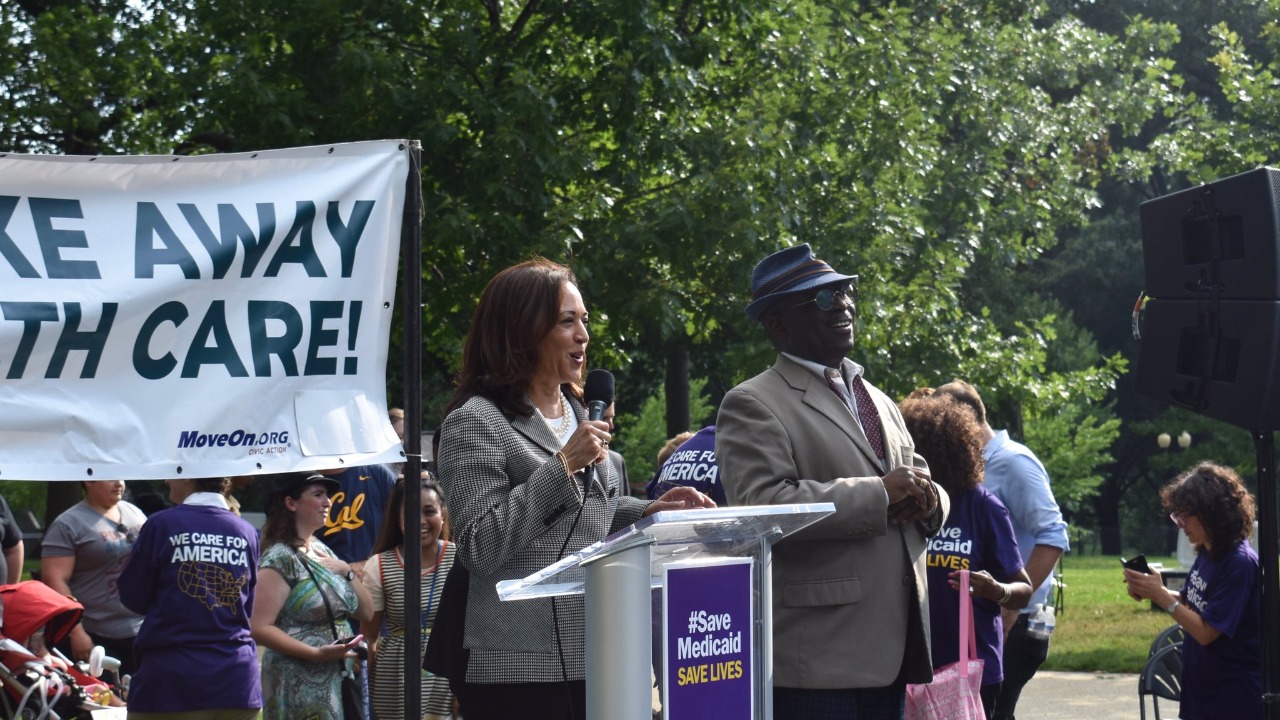
According to a recent report, millions of Americans are expected to lose their Medicaid coverage due to the funding cuts resulting from Trump’s tax law. A statistical analysis predicts that up to 15 million beneficiaries could be affected over the next few years. This significant reduction in coverage arises from the combination of the tax law’s provisions and the subsequent funding cuts to Medicaid at the state level.
A demographic breakdown reveals that certain populations are more vulnerable to losing coverage. Low-income families, children, and individuals with disabilities are likely to be disproportionately affected. The impact is expected to be more pronounced in states that expanded Medicaid under the ACA, as they may face more significant budget shortfalls. Comparing this situation to previous healthcare policy changes, such as the implementation of the ACA, highlights the drastic shift in Medicaid enrollment numbers and its potential consequences.
Economic and Social Implications

The reduction in Medicaid coverage is anticipated to have far-reaching economic and social implications. States will face increased financial pressure as they attempt to cover the shortfall in federal funding. As a result, state budgets may be strained, leading to cuts in other critical areas such as education and infrastructure. The ripple effect is expected to extend to hospitals, clinics, and healthcare providers, which may experience financial losses due to a decrease in insured patients and an increase in uncompensated care.
Societally, the potential increase in healthcare disparities and uninsured rates could exacerbate existing inequalities. Communities with high Medicaid reliance, often already underserved, may face challenges in accessing essential healthcare services. The reduction in coverage could lead to higher out-of-pocket costs for individuals, further burdening low-income families and increasing the risk of medical debt.
Public Health Consequences

Public health outcomes are likely to suffer as a result of reduced Medicaid coverage. Access to preventive care, immunizations, and chronic disease management may decline, leading to poorer health outcomes for affected populations. The long-term implications for communities with high Medicaid reliance are concerning, as these areas may experience a rise in communicable diseases and other health-related issues.
An anticipated increase in emergency room visits could place a strain on healthcare systems, as uninsured individuals may rely on emergency services for primary care needs. This scenario mirrors the pre-ACA period when emergency rooms often served as the primary healthcare provider for uninsured patients. According to research, such reliance on emergency care is not only costly but also inefficient, further highlighting the need for comprehensive healthcare coverage.
Policy and Advocacy Responses

In response to these challenges, several states have implemented measures to mitigate the impact of federal changes. Some have opted to use state funds to preserve Medicaid coverage levels, while others are exploring alternative funding mechanisms. Advocacy groups are also actively campaigning to reverse or at least soften the blow of the tax law’s provisions on Medicaid. These efforts include lobbying for legislative changes and filing court challenges to protect vulnerable populations.
The future outlook for Medicaid remains uncertain, but there is potential for legislative changes or court challenges that could alter the current trajectory. The ongoing debate surrounding healthcare reform highlights the need for a balanced approach that considers both economic and public health impacts. For more detailed insights into these policy responses, see the report by Health Policy Ohio, which discusses potential solutions and strategies for navigating the evolving healthcare landscape.

Julian Harrow specializes in taxation, IRS rules, and compliance strategy. His work helps readers navigate complex tax codes, deadlines, and reporting requirements while identifying opportunities for efficiency and risk reduction. At The Daily Overview, Julian breaks down tax-related topics with precision and clarity, making a traditionally dense subject easier to understand.

