
Recent regulatory changes have introduced new tax requirements for Americans receiving payments through digital platforms like PayPal and Venmo. These changes reflect an evolving landscape in the peer-to-peer payments industry, aiming to ensure tax compliance and transparency. The implications of these new tax regulations are significant, affecting users across the country, with a focus on understanding the impact and context of these changes.
Understanding the New Tax Regulations

The introduction of new tax laws has created a wave of changes for digital payment platforms. The key component of these changes is the 1099-K form, which plays a significant role in ensuring that income received through platforms like PayPal and Venmo is reported to the IRS. The 1099-K form is issued to users who meet certain thresholds, and it summarizes the total income received through these platforms over the year.
The new regulations lower the threshold for receiving a 1099-K form from $20,000 in transactions and 200 transactions per year to just $600, regardless of the number of transactions. This change means that a much larger number of users will now receive this form, requiring them to report this income on their tax returns. Understanding these thresholds is crucial for users to determine whether they will be affected by these new regulations.
Impact on Individuals and Small Businesses

The impact of these new tax regulations varies significantly between casual users and small businesses. For casual users who may receive payments for shared expenses or occasional sales, the requirement to report income over $600 could lead to confusion and anxiety. These users may find themselves navigating tax complexities that were previously irrelevant to their financial activities.
For small business owners, the new regulations present both challenges and opportunities. While the increased reporting requirements may seem burdensome, they also offer a chance to streamline accounting practices and ensure full compliance with tax laws. Small businesses using platforms like PayPal and Venmo should consider consulting with tax professionals to understand how best to navigate these changes and avoid potential penalties.
Regulatory Challenges and Rationale
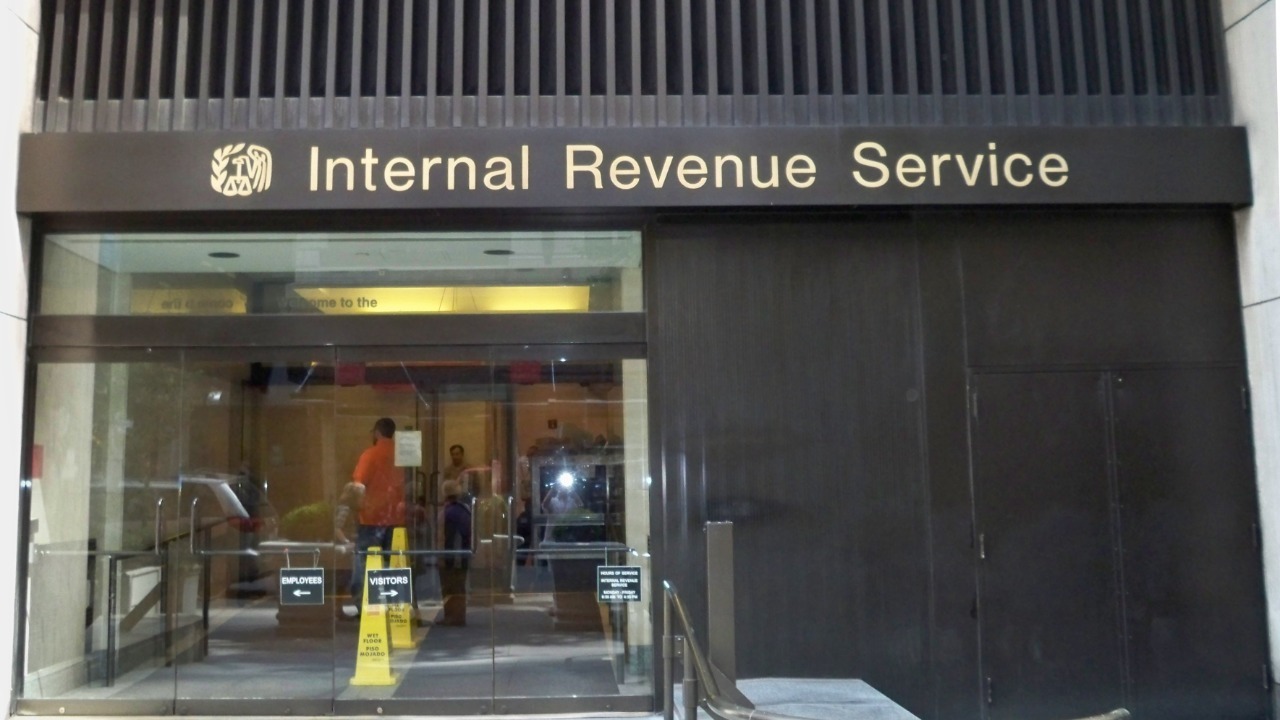
The government’s rationale for imposing these new tax rules is rooted in a desire to increase transparency and reduce tax evasion. By lowering the threshold for reporting income, the IRS aims to capture a broader spectrum of financial activity, ensuring that all taxable income is properly reported. This move is part of a broader effort to improve financial oversight and close the tax gap, which represents the difference between taxes owed and taxes paid.
However, these changes also present significant regulatory challenges for the peer-to-peer payments industry. Platforms like PayPal and Venmo must adapt their systems to comply with these new requirements while maintaining a user-friendly experience. Balancing regulatory compliance with user satisfaction is a complex task, and the industry is closely monitoring how these changes will unfold.
Broader Economic Implications
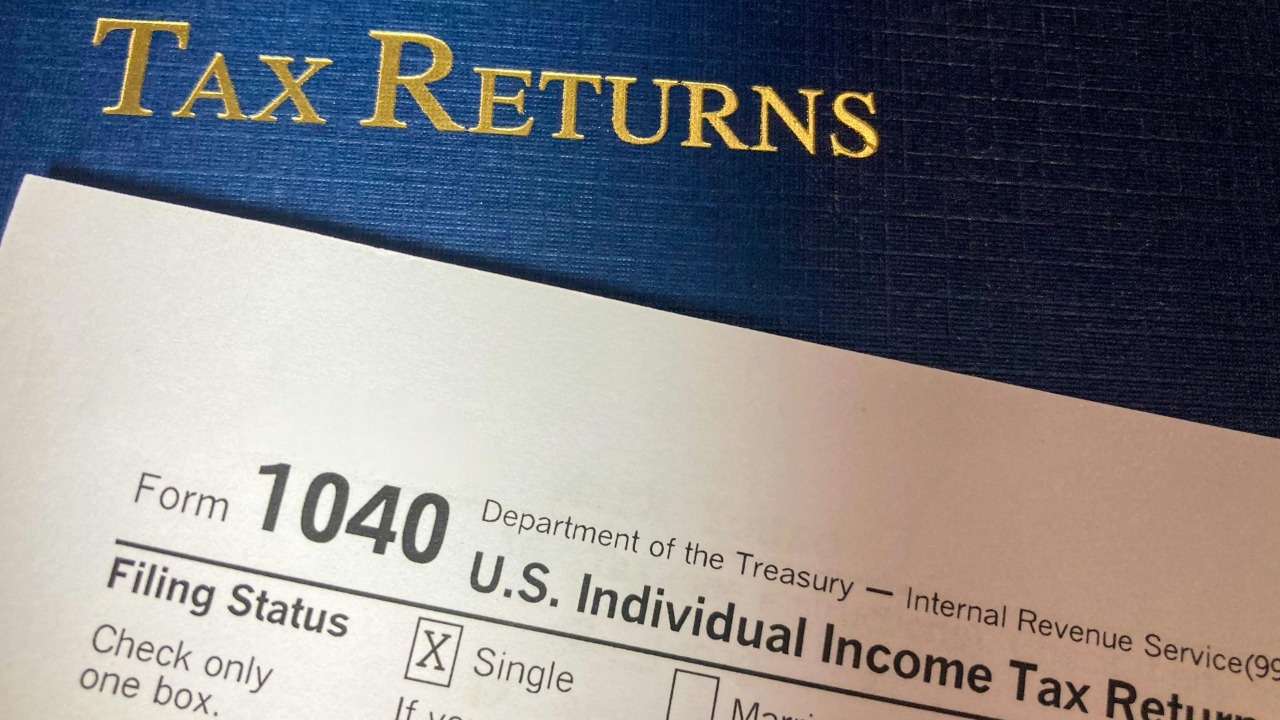
The new tax regulations have the potential to influence the gig economy in meaningful ways. As more gig workers are required to report their income, there may be shifts in how these workers manage their finances and report their earnings. This increased visibility of gig economy income could lead to more accurate tax reporting and contribute to a more equitable tax system.
Additionally, consumer behavior may be affected by these changes. Some users may choose to shift their payment methods to avoid the new reporting requirements, potentially impacting the popularity of digital payment platforms. Over the long term, these regulations could lead to further developments in how digital payments are structured and regulated, with the potential for new innovations in the financial technology sector.
Public Reaction and Future Outlook

Public sentiment regarding the new tax requirements has been mixed. Some individuals express concern about the increased reporting burden and the potential for confusion, while others see the changes as a necessary step toward ensuring tax fairness. Criticism has also emerged, with some arguing that the new thresholds unfairly target casual users and small businesses.
Looking ahead, it is possible that these changes will continue to evolve in response to public feedback and economic outcomes. Policymakers may consider adjustments or reforms to balance the need for tax compliance with the practical realities faced by users of digital payment platforms. As the landscape of peer-to-peer payments continues to develop, users should stay informed and prepared for potential future changes.

Julian Harrow specializes in taxation, IRS rules, and compliance strategy. His work helps readers navigate complex tax codes, deadlines, and reporting requirements while identifying opportunities for efficiency and risk reduction. At The Daily Overview, Julian breaks down tax-related topics with precision and clarity, making a traditionally dense subject easier to understand.

