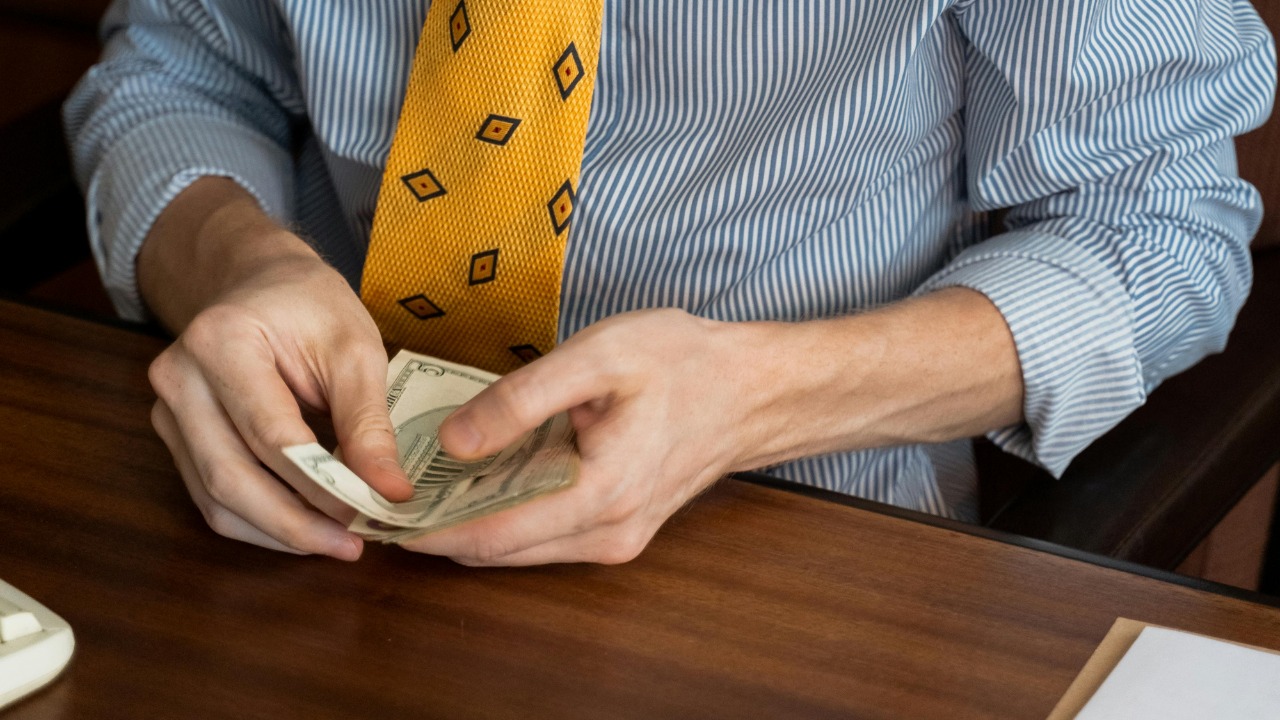
Millions of low paid workers started the year with bigger paychecks after nineteen states lifted their minimum wages, part of a broader shift that has already pushed seventeen states and Washington, D.C., to a floor of at least 15 dollars an hour. The raises are landing in an economy still wrestling with inflation and uneven growth, which is why some economists warn that higher wage floors could mean fewer jobs and higher prices even as others see a path to stronger demand and more stable workforces. I see the current moment as a live test of those competing theories, with the stakes running from the price of a burger to the survival of small town diners.
The new map of minimum wages
The latest round of increases has reshaped the wage map for entry level jobs, with nineteen states boosting their pay floors at the start of the year and lifting earnings for roughly 8 million Americans who had been at or near the legal minimum. A detailed breakdown of Minimum Wage levels shows that states now range from modest bumps above the federal floor to aggressive jumps that approach or exceed 20 dollars for some categories of work. Those changes are layered on top of earlier state level laws that had already committed to annual step ups, so the 2026 shift is less a one off event than the latest rung in a multi year climb.
That climb is most visible in the spread of 15 dollar standards. An analysis of how How Many States adopted that benchmark finds that, as of Jan. 1, 2026, seventeen states plus Washington have statutory minimums at or above 15 dollars an hour. Separate state by state tables of Minimum Wages By confirm that these higher floors are now concentrated on the coasts and in parts of the Midwest, while large swaths of the South still sit at or near the federal minimum. That uneven geography is one reason the same policy can feel like a lifeline in Seattle and a shock to the system in small town Missouri.
Why nineteen states moved now
Behind the latest wave of hikes is a simple arithmetic problem: the federal minimum has been stuck since 2009 while prices for rent, food and transportation have climbed. Guides that walk through the raising minimum debate note that the federal floor has not budged despite years of inflation, which has eroded its real value and left full time workers struggling to cover basic bills. In that vacuum, state lawmakers and ballot initiatives have become the main arena for wage policy, with supporters arguing that higher pay is needed simply to keep up with the cost of living rather than to deliver a windfall.
Some of those state campaigns have been framed explicitly as living wage efforts, especially in high cost regions where housing and childcare can devour a paycheck. Advocates point out that Some proponents see higher minimums as a way to reduce reliance on public assistance and to boost consumer spending, since low wage workers tend to spend most of what they earn. That logic has resonated in places where service sector employers have struggled to fill shifts, turning wage hikes into both an anti poverty tool and a response to labor shortages.
How many workers and businesses are affected
The scale of the change is significant. A review of the latest American wage changes notes that the landscape of the American workforce shifted on January 1 as nineteen states implemented higher minimums, affecting millions of workers across hospitality, retail, healthcare support and logistics. Another analysis of new pay floors found that roughly 8 million Americans on minimum wage just got a raise, a figure that underscores how central the policy has become to the low wage labor market.
Those workers are concentrated in industries where margins are thin and labor is a large share of costs, which is why business owners are watching the numbers closely. Reporting on new minimum hikes notes that restaurants, grocery stores and food manufacturers are among the employers most exposed to higher mandated pay. A separate look at how Jan wage changes ripple through the food sector points out that prices in most cases are unlikely to decline significantly, so policymakers who want to raise living standards are increasingly turning to wage rules rather than hoping for cheaper goods.
The classic economic case for job losses
Opponents of higher minimums tend to start from a textbook model: if the government sets a wage floor above what the market would naturally deliver, employers will demand less labor. An Introduction to the economics of the minimum wage argues that when a minimum is set above the market rate, the result is unemployment and reduced workforce participation, particularly for younger and less skilled workers. In that view, the policy helps those who keep their jobs but shuts out others who would have been hired at a lower wage.
Critics also warn that mandated hikes can accelerate automation and push small employers to cut hours or close. A policy brief on Jan unintended consequences argues that higher mandated wages can reduce entry level opportunities and strain taxpayers if job losses push more people onto public programs. The same economic critique is repeated in a separate discussion of minimum wage Advocates and opponents, which stresses that the policy can distort hiring decisions even if headline job numbers do not immediately fall.
Evidence that higher floors do not always kill jobs
The empirical record is more complicated than the simple model suggests, which is why the new state hikes are being watched so closely. A fact sheet on Raising the wage summarizes research by Leading economists who find that past increases have had no discernible negative effect on overall employment, while boosting earnings for low wage workers. That body of work suggests that employers adjust in ways other than cutting jobs, for example by accepting slightly lower profits, raising prices modestly or improving productivity.
One of the most closely watched pieces of evidence comes from small businesses themselves. A study highlighted in a report titled Even finds that restaurants, retail stores and other small employers did not shed jobs after local wage hikes. A more detailed version of that research, presented under the Secondary navigation of that site, reports that these firms often became more productive and experienced lower turnover, which helped offset higher hourly pay. That does not mean every business survives, but it undercuts the idea that higher minimums automatically trigger widespread layoffs.
Will prices rise, and by how much
Even economists who support higher minimums acknowledge that some of the cost will be passed on to consumers. A discussion thread on Aug wage debates notes that While a small increase in minimum wage may not significantly increase overall inflation, price hikes can be more noticeable in sectors like fast food where labor is a large share of costs. That pattern is consistent with broader research on wage price dynamics, which finds that higher labor costs tend to show up in specific categories rather than across the entire consumer basket.
Formal studies of the wage price pass through back up that intuition. An analysis of labor shortages and inflation from a business research group concludes that the pass through of costs raises consumer prices, which can then feed into further wage demands, creating a feedback loop that policymakers must monitor, a point spelled out in detail in a report on Solving US labor shortages. A working paper on the euro area finds that the wage price pass through has contributed to recent inflation puzzles, suggesting that the relationship between pay and prices depends on the broader growth regime, a nuance explored in the European Central Bank’s Working Paper series. For U.S. consumers, that means the impact of the nineteen state hikes will likely show up as modestly higher prices in labor intensive services rather than a new inflation shock.
Small businesses on the front line
For small employers, the debate is less abstract and more about whether they can keep the doors open. A local television segment shared on Facebook quotes business owners saying that the increase affects businesses across the state, with some small business owners already making operational changes, a sentiment captured in a post featuring Collin Woodson arguing that artificially inflated wages drive up costs without solving deeper problems. Those adjustments can include raising menu prices, trimming hours of operation or delaying planned hires, all of which shape how communities experience the policy.
Yet the same research that finds limited job losses suggests that many small firms adapt over time. The study on Even in small businesses reports that restaurants and retailers often respond by improving scheduling, investing in training and leaning on more experienced staff, which can raise productivity per worker. A separate overview of the Pros of higher minimums notes that better pay can improve employee performance and retention, reducing the costly churn that plagues many low wage sectors. In my view, whether small firms see the hikes as a threat or an opportunity often depends on how quickly they can make those operational shifts.
More From The Daily Overview
*This article was researched with the help of AI, with human editors creating the final content.

Grant Mercer covers market dynamics, business trends, and the economic forces driving growth across industries. His analysis connects macro movements with real-world implications for investors, entrepreneurs, and professionals. Through his work at The Daily Overview, Grant helps readers understand how markets function and where opportunities may emerge.

