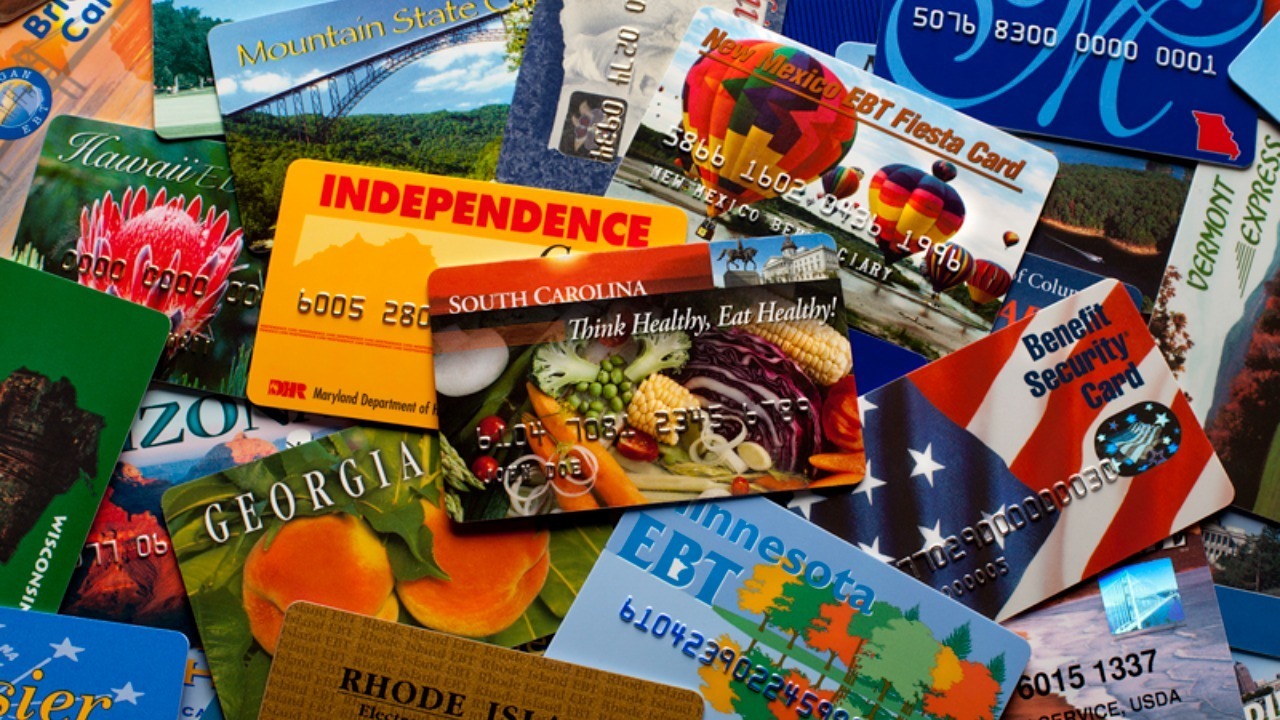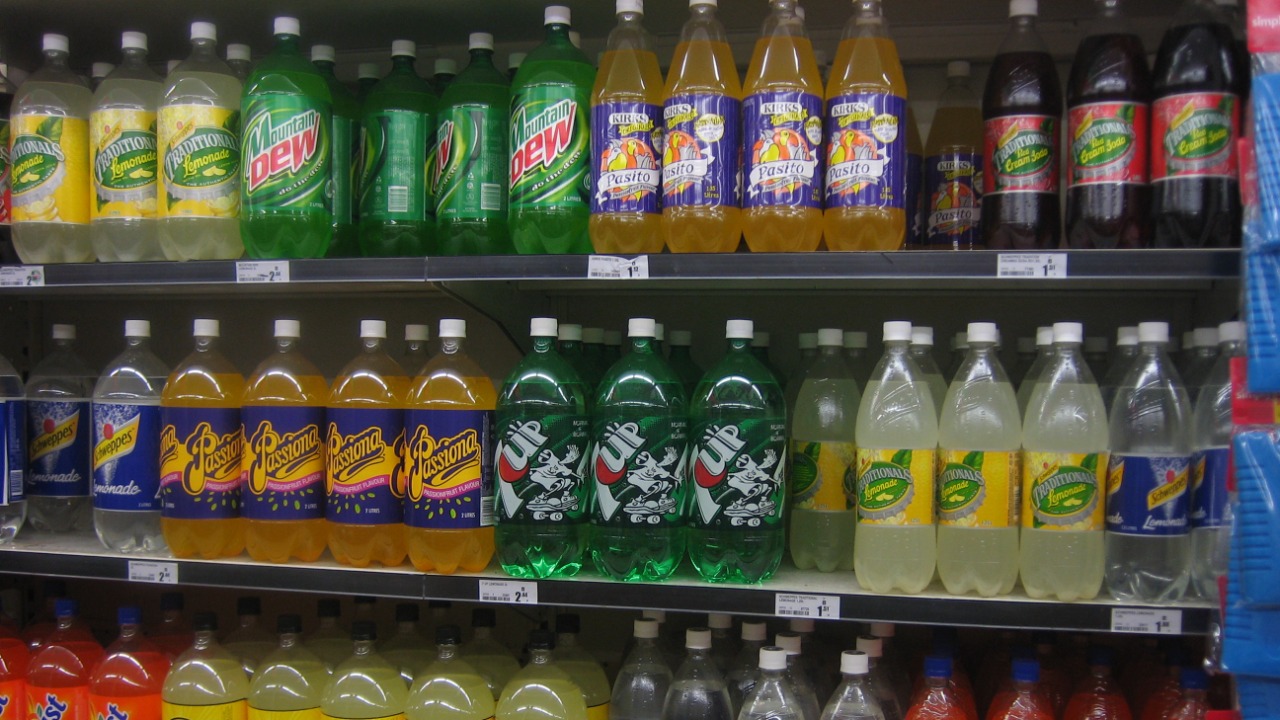
Shoppers using SNAP food benefits in Montana, North Dakota and South Carolina are scheduled to lose the ability to buy soda, candy and energy drinks with those benefits on Sunday, November 1.
All three states had planned to start earlier and pushed the date back this summer. The rules also differ from state to state in ways that will surprise some shoppers, starting with whether a diet soda still rings up on an EBT card.
What the November 1 change covers in each state
The U.S. Department of Agriculture’s list of SNAP food restriction waivers, updated October 2, shows 23 states with approved waivers and a November 1, 2026 target date for all three. North Dakota’s covers sweetened beverages, energy drinks and candy. Montana’s adds prepared desserts to high-sugar drinks, energy drinks and candy. South Carolina’s covers candy, energy drinks, soft drinks and sweetened beverages. The same list shows Ohio and Virginia with November 1 targets as well.
The waivers change what SNAP can buy, not how much a household receives. South Carolina’s Department of Social Services says the state cannot change SNAP eligibility rules or benefit amounts, and the restricted items can still be bought with cash or another form of payment.
Beyond the checkout aisle: The 51 state packs and the renewal document checklist lay out each state’s SNAP renewal paperwork, the side of the program the new purchase limits in Montana, North Dakota and South Carolina leave untouched. Both are in The SNAP & Medicaid Renewal Organizer.
Diet soda is allowed in two states and blocked in one
The definitions are where the three states split. Montana’s Department of Public Health and Human Services bans drinks sweetened with more than 10 grams of sugar per 8 fluid ounces, but it expressly exempts artificially sweetened beverages, drinks that are more than half fruit or vegetable juice, milk, coffee and tea. Its energy-drink limit applies to drinks with more than 6 milligrams of caffeine per fluid ounce, or more than 140 milligrams per container, plus a stimulant such as taurine or guarana.
North Dakota draws a much wider line. Its Healthy Choice Waiver page defines a restricted sweetened drink as one with 5 grams or more of added sugar, any artificial sweetener, or less than 50 percent juice. That reaches diet and zero-sugar sodas. Energy drinks with 65 milligrams or more of caffeine per 8 ounces are also out, while milk, unsweetened tea, seltzer without added sugar, 100 percent juice, protein bars and baking ingredients such as chocolate chips stay eligible.
South Carolina’s Healthy Food SC page restricts soft drinks with more than 5 grams of sugar or other sweeteners and energy drinks at 65 milligrams of caffeine per 8 ounces, but it states that diet and zero-sugar soft drinks remain an allowable purchase. Its sweetened-beverage definition excludes milk-based drinks, sports drinks, carbonated water and juices of 50 percent or more with no added caloric sweetener.
In practice, a 12-pack of diet cola can still be bought with SNAP in Billings or Columbia after November 1, but not in Fargo.
Why all three start dates slipped
South Carolina had set August 31 as its launch. In an August 27 release, the state’s social services agency said it had received a USDA notice asking it to postpone, with a new implementation date of November 1, 2026. North Dakota asked to move its start from September 1 to November 1, and Montana’s page says its implementation date has been delayed to November 1.
The delays followed a federal court fight. USDA’s waiver list notes that on June 22, 2026, a federal judge in Washington, D.C., vacated the approvals for Colorado, Iowa, Tennessee and West Virginia in Aragon v. Rollins and barred those waivers from taking effect. On September 15, the agency published a request for public comment on North Dakota’s project, with comments due October 15, and posted similar notices for Montana and South Carolina. The North Dakota notice says comment is not required by statute and does not make the November date conditional on it.
What happens at the register
Stores do the enforcement. North Dakota says that when a restricted item is scanned, the system will not let it be paid for with SNAP, and the shopper can use cash, a debit card or a credit card for that item instead. South Carolina says its systems will prompt for another form of payment for the restricted item in the cart. The rest of the order still goes through on the EBT card.
The rules follow the store, not the cardholder. North Dakota says out-of-state SNAP participants must follow its rules when shopping in North Dakota, and online retailers must block restricted items on orders delivered to North Dakota addresses. Montana’s rules apply to every SNAP-authorized retailer in the state, including those that accept SNAP online.
Where households can check the details
Each state’s waiver page is the controlling source for what is restricted, and each lists its own exceptions. Montana’s health department can be reached at 406-444-5623. The most common mistake is assuming the rules match from state to state: a drink that clears the register in South Carolina may be blocked a state away, and the definitions can change if USDA or the states revise the waivers after the comment period closes.
Three states, three sets of SNAP rules
The November limits change what an EBT card buys in Montana, North Dakota and South Carolina, but they are only one of the rules each state writes for SNAP. Renewal dates, reporting requirements and the documents each state asks for also differ across those three states, and a missed renewal step affects the benefit itself rather than a single item at checkout.
The SNAP & Medicaid Renewal Organizer includes 51 state packs and a renewal and reporting calendar, built to keep one state’s renewal dates and reporting deadlines in a single place.
Look up the state pack in The SNAP & Medicaid Renewal Organizer.
This article was created with AI assistance and reviewed for accuracy against USDA’s SNAP waiver records and the Montana, North Dakota and South Carolina program pages.

Elias Broderick specializes in residential and commercial real estate, with a focus on market cycles, property fundamentals, and investment strategy. His writing translates complex housing and development trends into clear insights for both new and experienced investors. At The Daily Overview, Elias explores how real estate fits into long-term wealth planning.