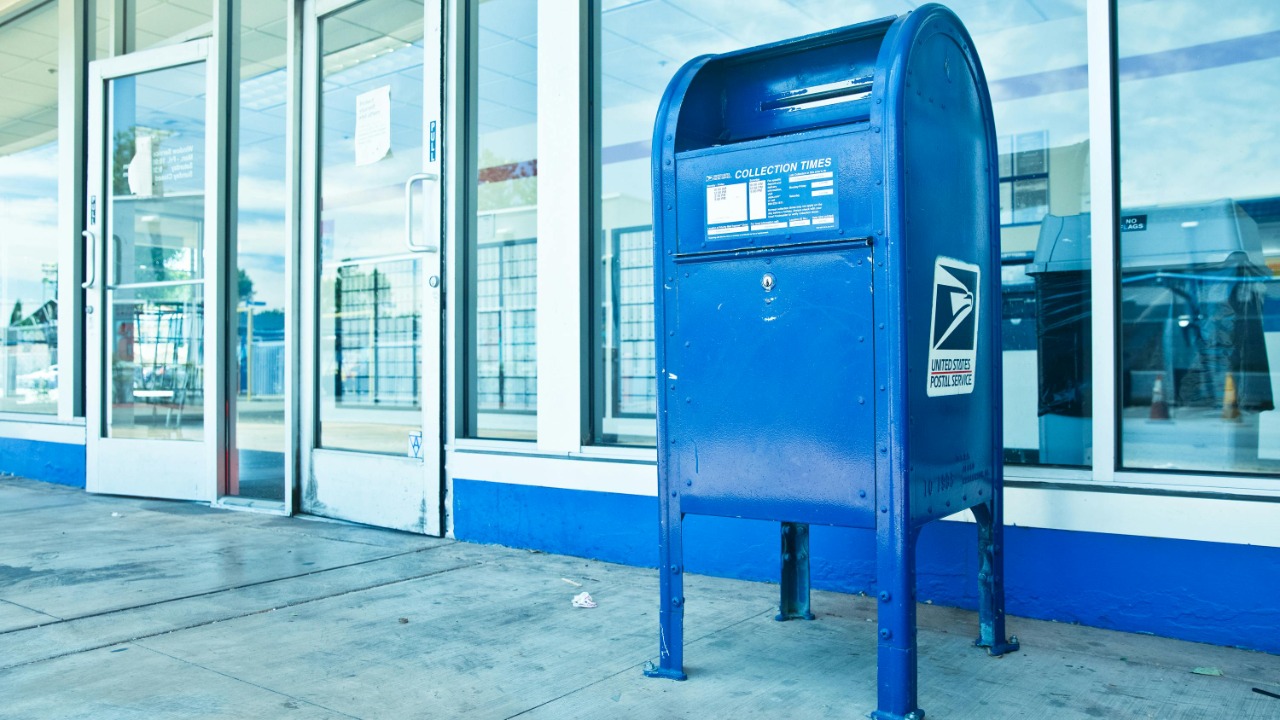
Some people paid from a $152.2 million canned tuna price-fixing settlement watched their checks get rejected after they deposited them. The settlement administrator mailed replacement checks on September 28 with an extra $20 added to help cover the bank fees.
The replacements come with a fresh 60-day window to cash them. Money that is still uncashed after that point goes back before the court, and the settlement says it may end up donated rather than paid out.
How the tuna settlement checks went wrong
Payments to approved claimants were issued on September 8, 2026, according to the settlement’s FAQ page. Some of those checks were dishonored by the bank after people deposited them. The official settlement website does not explain what caused the problem.
The website is specific about who was affected: only class members whose checks were dishonored after being deposited. Each of them received an email from the claims administrator explaining the situation, and the site says anyone who did not receive that email is not part of the affected group. For people who have not yet deposited their original check, the site says there are sufficient funds to cover all payments and the check is safe to deposit.
When a settlement check comes back: Tuna settlement recipients whose checks were dishonored now hold a replacement with a new cashing window, and some have bank charges to document. The section on getting an expired or uncashed settlement check reissued walks through that situation, in The Settlement & Refund Recovery System.
Where the $152.2 million came from
The money comes from a long-running antitrust case, In re Packaged Seafood Products Antitrust Litigation, in which consumers alleged that StarKist, Bumble Bee and Chicken of the Sea conspired from June 2011 to July 2015 to raise or fix the price of canned and pouched tuna. The defendants deny many of the allegations.
StarKist, together with its parent Dongwon Industries, agreed to pay $130 million over 18 months. The Lion companies, the former owners of Bumble Bee, agreed to $6 million; Bumble Bee itself went bankrupt and was dismissed from the case. A separate Chicken of the Sea settlement, approved in July 2022, added $16.2 million. The court granted final approval to the StarKist and Lion deals on November 22, 2024.
The civil case followed a federal criminal prosecution. In 2019, the Justice Department announced that StarKist had been ordered to pay a $100 million criminal fine, the statutory maximum, for its role in a conspiracy that ran from as early as November 2011 through at least December 2013.
Who was paid, and how much
The consumer class covers people and businesses in 32 states and territories, including the District of Columbia and Guam, who bought packaged tuna in cans or pouches smaller than 40 ounces for their own use, not for resale, between June 1, 2011 and July 1, 2015. Meal kits were excluded.
Only people who filed a valid claim were paid, and the claim deadline closed on December 31, 2024, so no new claims are being taken. After attorneys’ fees, costs, service awards and administration expenses came out, each payment was figured pro rata, based on the number of valid claims and the volume of cans or pouches each claim represented. Totals under $5 were not paid at all.
That structure explains why many checks are small. A claimant whose share fell below the cutoff received nothing, while larger claims backed by more cans received proportionally more.
The 60-day clock on replacement checks
The FAQ says replacement checks carry a new 60-day deadline to deposit or cash, but it does not give a calendar date. Counting 60 days from the September 28 mailing points to late November, though the date printed on the check itself controls.
What happens after that is spelled out. Once the 60 days pass, class counsel will ask the court for a recommendation on distributing whatever is left. If no further distribution is recommended, the remaining money goes to the Consumer Protection Policy Center at the University of San Diego. A replacement check left in a drawer past its window does not come back to the claimant automatically.
What to do about bank fees above $20
The extra $20 is meant to offset bank fees, but some banks charge more for a returned deposit. The settlement website says anyone whose bank charged more than $20 because the original check was dishonored should email info@TunaEndPurchaserSettlement.com with documentation of the extra charges so the issue can be reviewed. Without that paperwork, there is nothing for the administrator to review.
The administrator, JND Legal Administration, can be reached at 1-866-615-0977, with an option to press 8 for a live agent, or by mail at Tuna End Purchaser Settlement, P.O. Box 91442, Seattle, WA 98111. The settlement asks that no one contact the court about it.
A settlement check with its own clock
The replacement tuna checks reset the cashing window to 60 days, and the administrator reviews extra bank charges only when someone sends documentation. Keeping the bank’s returned-deposit notice alongside the original and replacement check details is what makes either step possible.
The Settlement & Refund Recovery System covers how to get an expired or uncashed settlement check reissued and includes a claim log and payment tracker for recording each check, its date and its status.
Read the check-reissue steps in The Settlement & Refund Recovery System.
This article was created with AI assistance and reviewed for accuracy against the official tuna end-purchaser settlement website, its FAQ and the Justice Department’s record of the StarKist case.

Cole Whitaker focuses on the fundamentals of money management, helping readers make smarter decisions around income, spending, saving, and long-term financial stability. His writing emphasizes clarity, discipline, and practical systems that work in real life. At The Daily Overview, Cole breaks down personal finance topics into straightforward guidance readers can apply immediately.