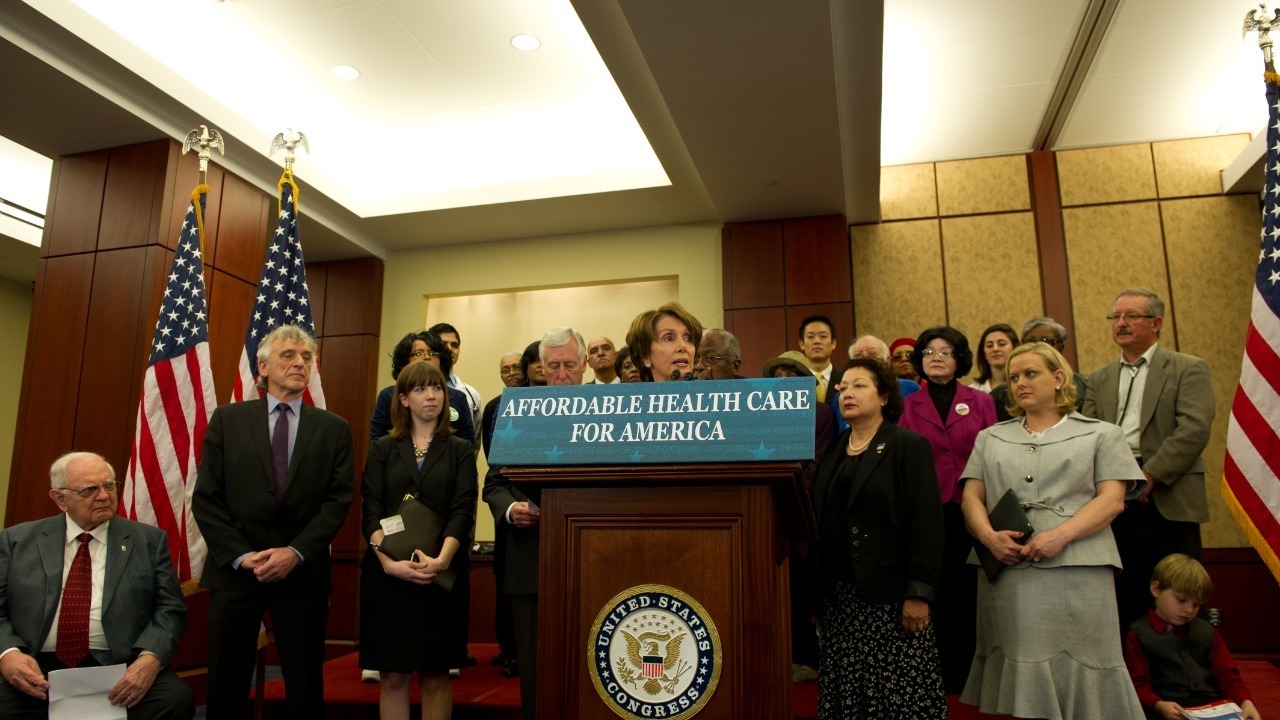
Millions of Americans are entering 2026 caught in a paradox: they are signing up for Affordable Care Act coverage in record numbers even as the plans themselves become harder to afford. With key ACA tax breaks gone, premiums are spiking, out-of-pocket costs are rising, and the political fight over who should pay the bill is intensifying.
The result is a health care landscape where coverage is technically available but financially precarious, especially for middle-income families who no longer qualify for the most generous help. I see a system that is pulling people into marketplaces they increasingly cannot afford to use, while Washington and the states argue over how much pain is acceptable.
The subsidy cliff returns, and premiums jump
The end of the enhanced premium tax credits has reopened the notorious “subsidy cliff,” leaving many households with incomes just over the eligibility thresholds facing sudden, punishing bills. Earlier expansions had capped what people paid for benchmark ACA plans as a share of income, but with those provisions gone, enrollees with incomes above 400 percent of the federal poverty level are again exposed to the full sticker price. A detailed Marketplace analysis finds that, without the enhanced credits, average premium payments would more than double and the maximum share of income owed for benchmark coverage jumps back up from 8.5 percent.
For people who did receive help last year, the financial shock is immediate. The average person who benefited from the enhanced premium tax credit is now expected to see their monthly payment rise sharply as the expanded federal support lapses, a shift that has been described as the Financial impact of the ACA subsidy cliff. For those just above the cutoff, the loss of assistance can translate into thousands of dollars a year, forcing families to choose between comprehensive coverage and basic household expenses.
Record sign-ups mask an affordability crisis
On paper, the ACA marketplaces look like a success story. During the latest open enrollment period, About 22.8 m people selected a plan through either the federal exchange or a state-run platform, a high-water mark for the program. That surge reflects both aggressive outreach and the reality that employer coverage remains out of reach or unaffordable for many workers in sectors like retail, hospitality, and gig work.
Beneath those headline numbers, however, the affordability problem is already eroding coverage. New enrollment data from WASHINGTON show ACA coverage down more than 1.4 m people compared with mid-January sign-ups a year earlier, a drop advocates directly link to rising premiums and the loss of enhanced subsidies. I see that tension in the data: more people are touching the system, but a growing share are walking away once they see the final price.
Households squeezed as subsidies expire
For families who built their budgets around the enhanced credits, the new year has brought a wave of premium notices that feel like a second rent payment. More than 20 million subsidized enrollees in the Affordable Care Act program are seeing their monthly costs rise by hundreds of dollars on average, according to federal estimates. Some families are responding by downgrading to plans with higher deductibles and narrower networks, while others are contemplating dropping coverage entirely.
Stories from around the country echo the same theme: people are technically insured but cannot afford to use their insurance. As Health reporters have documented, Some households are skipping follow-up appointments, stretching out prescriptions, or forgoing coverage altogether because the combination of premiums and out-of-pocket costs is simply too high. When I look at those choices, I see less a market decision and more a forced trade-off between health and financial survival.
Congress deadlocks while states improvise
In Washington, the fight over whether to extend the enhanced ACA tax credits has already reshaped the political calendar. Health care policy dominated the congressional agenda last year as lawmakers debated how to handle the ACA Enhanced Premium Tax Credits, with multiple proposals to keep or modify the subsidies. In December, the Senate took up several competing approaches, but None advanced, leaving the enhanced PTCs to expire and pushing more families to take on increased medical debt.
The stalemate has not been quiet. Democrats forced a 43-day government shutdown over the issue, while Moderate Republicans warned that failing to find a compromise would haunt them in the 2026 midterms. A separate effort led by lawmakers including a New York Democrat, which would have provided a clean three-year extension of the subsidies, stalled despite backing from patient advocates, as Enhanced ACA tax credits officially expired. The result is a federal vacuum that leaves states and consumers to absorb the fallout.
Blue states step in as red states hold back
With Congress gridlocked, some state leaders are trying to rebuild the safety net on their own. California, Colorado, Connecticut, Maryland, Massachusetts and New Mexico have all launched or expanded state-funded premium assistance to blunt the loss of federal help, effectively creating their own California-style tax credits. State officials say these programs are designed to keep residents from dropping their insurance coverage, especially those just above the federal subsidy thresholds who are most exposed to the cliff.
The partisan divide over this strategy is stark. Analysts note that the disparity in ACA subsidy policy now falls largely along party lines, with Republicans in many states resisting new spending even as the uninsured rate has increased to about 10 percent. In practice, that means a middle-income family in Massachusetts may see state-funded relief when their premium spikes, while a similar household in a neighboring conservative state faces the full brunt of the ACA subsidy cliff with no local backstop.
More From The Daily Overview
*This article was researched with the help of AI, with human editors creating the final content.

Julian Harrow specializes in taxation, IRS rules, and compliance strategy. His work helps readers navigate complex tax codes, deadlines, and reporting requirements while identifying opportunities for efficiency and risk reduction. At The Daily Overview, Julian breaks down tax-related topics with precision and clarity, making a traditionally dense subject easier to understand.

