
Morgan Stanley has characterized Elon Musk’s $1 trillion pay deal with Tesla as a significant victory for the company, emphasizing its alignment with the potential growth in the robot market. Analysts have labeled the pay package “modest” in comparison to the vast opportunities within this burgeoning sector.
The Significance of the $1 Trillion Pay Deal
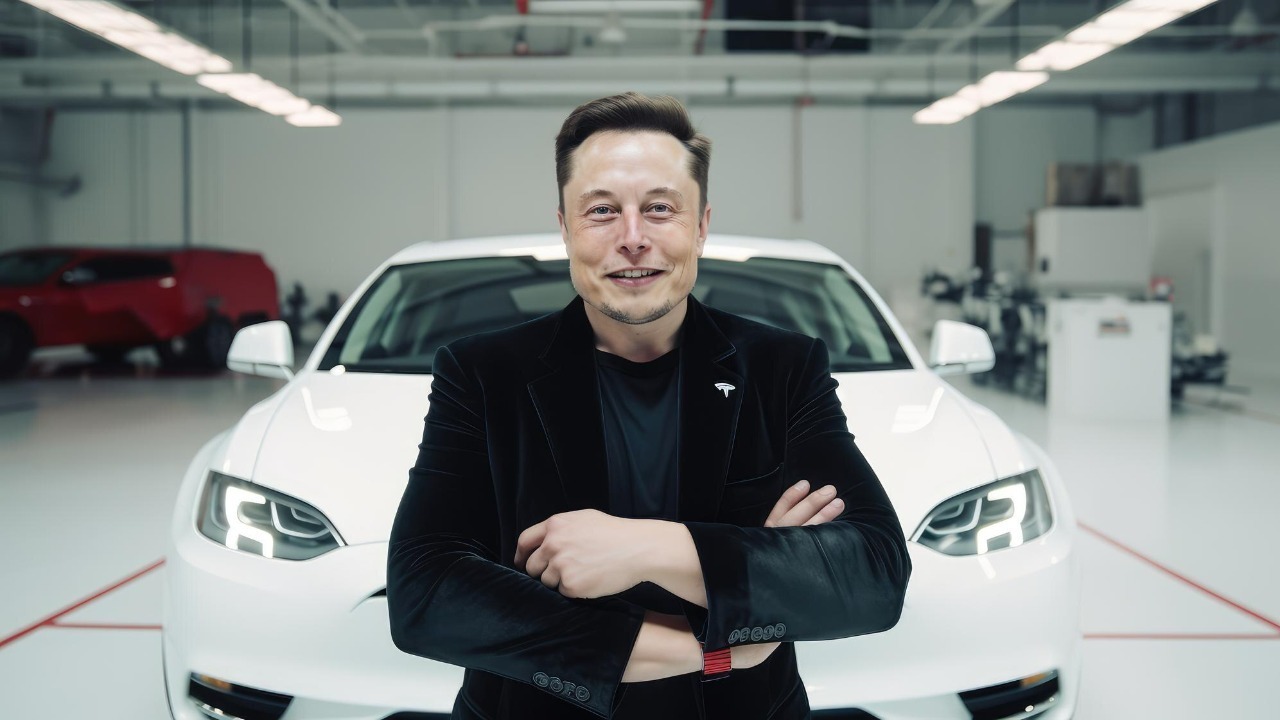
Elon Musk’s $1 trillion pay deal with Tesla is not just a headline-grabbing figure; it represents a strategic move for the company. The deal is structured to align Musk’s incentives with Tesla’s long-term growth, particularly in the rapidly expanding robot market. This compensation package is designed to drive innovation and ensure that Musk remains at the helm as Tesla navigates new technological frontiers. According to analysts, the deal is a testament to Tesla’s confidence in Musk’s leadership and vision for the future.
Morgan Stanley’s assessment of the pay deal as a “win” for Tesla highlights the strategic benefits it could bring to the company. By tying Musk’s compensation to performance metrics, Tesla ensures that its CEO is motivated to achieve ambitious goals that could significantly enhance the company’s market position. This approach not only secures Musk’s commitment but also aligns his interests with those of Tesla’s shareholders, fostering a unified drive towards success.
Furthermore, the structure of Musk’s compensation package is designed to be highly performance-oriented, with specific milestones that Tesla must achieve for Musk to receive the full benefits. This includes ambitious targets related to market capitalization, revenue, and profitability, which are intended to drive the company towards sustained growth. By setting these high benchmarks, Tesla not only motivates Musk but also sets a clear roadmap for the company’s strategic objectives over the coming years. This approach reflects a broader trend in executive compensation, where aligning leadership incentives with company performance is seen as a way to foster long-term success.
Comparative Analysis with the Robot Market

Experts consider the $1 trillion pay package “modest” when juxtaposed with the potential of the robot market. The rationale behind this perspective is rooted in the immense growth prospects of the robotics industry, which is expected to revolutionize various sectors, including manufacturing, healthcare, and transportation. As Tesla continues to innovate in autonomous driving and other robotic technologies, the potential returns could far exceed the cost of Musk’s compensation package.
The robot market is poised for exponential growth, and Tesla, under Musk’s leadership, is well-positioned to capitalize on these opportunities. The company’s advancements in artificial intelligence and machine learning are critical components of its strategy to dominate this sector. By investing in these technologies, Tesla aims to create a competitive edge that could redefine its role in the global market, making the $1 trillion pay deal a strategic investment in its future.
In addition to its potential in the automotive sector, Tesla’s exploration into robotics could lead to breakthroughs in other industries. The integration of advanced robotics in manufacturing processes, for example, could significantly enhance efficiency and reduce costs. Moreover, Tesla’s focus on developing autonomous systems has implications beyond vehicles, potentially influencing sectors like logistics and urban planning. As the demand for automation increases, Tesla’s innovations could play a pivotal role in shaping the future of work and industry standards, further justifying the scale of Musk’s compensation in light of these transformative possibilities.
Morgan Stanley’s Perspective

Morgan Stanley views Musk’s compensation as a strategic advantage for Tesla, emphasizing the alignment of his incentives with the company’s long-term vision. The investment bank believes that the pay deal is structured to drive Tesla’s growth in emerging markets, particularly in robotics, where the potential for innovation and expansion is vast. This alignment ensures that Musk remains focused on achieving the ambitious goals set for Tesla, which could lead to significant advancements in technology and market share.
The reasoning behind Morgan Stanley’s positive outlook on the pay deal is rooted in its potential to enhance Tesla’s competitive position. By securing Musk’s leadership through a performance-based compensation package, Tesla is better equipped to pursue its strategic objectives. This approach not only motivates Musk to push the boundaries of innovation but also reassures investors of the company’s commitment to long-term growth and profitability.
Market Reactions and Future Implications
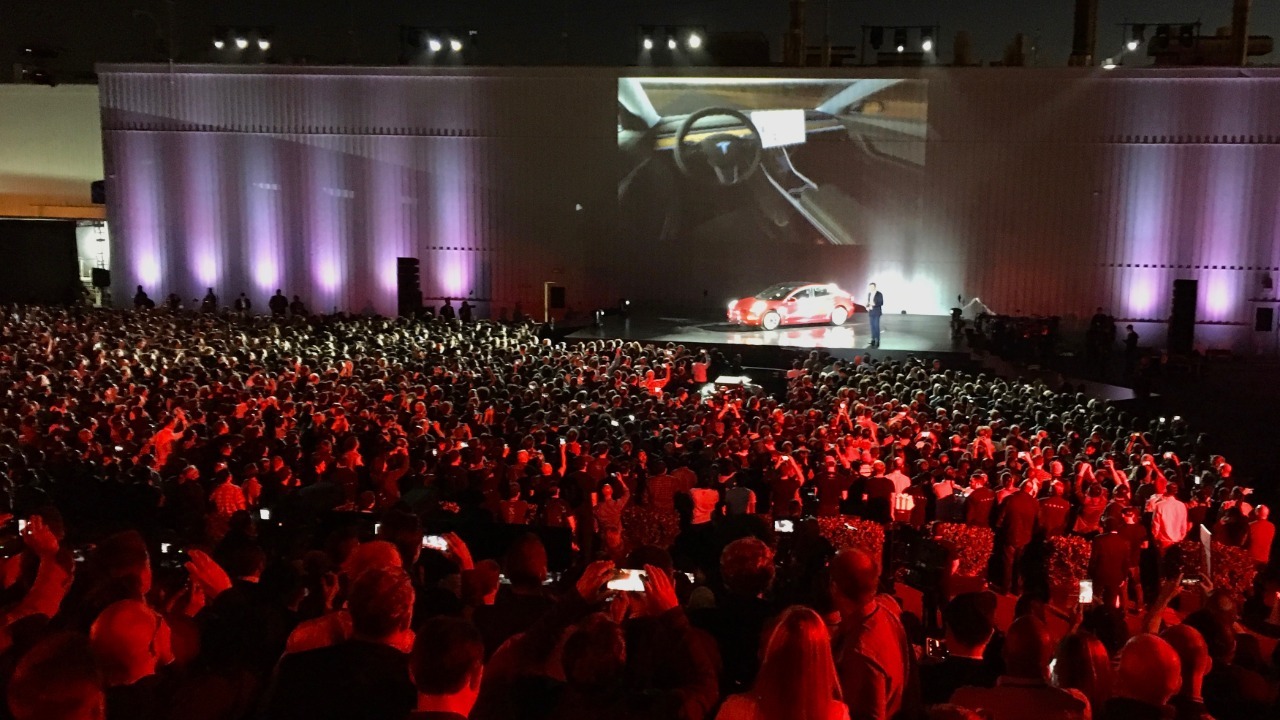
The initial market reactions to the $1 trillion pay deal have been mixed, with some investors expressing confidence in Tesla’s strategic direction, while others remain cautious about the implications of such a substantial compensation package. Despite these varied responses, the deal has underscored Tesla’s commitment to retaining Musk’s leadership and driving innovation in the robot market. This focus on long-term growth has bolstered investor confidence, contributing to a positive outlook for Tesla’s stock.
The potential long-term implications of this compensation package for Tesla and the broader automotive and technology sectors are significant. As Tesla continues to innovate and expand its presence in the robot market, the company could set new standards for performance and profitability. This strategic alignment of Musk’s incentives with Tesla’s growth objectives is expected to drive advancements that could reshape the industry, positioning Tesla as a leader in the next wave of technological innovation.
As the market continues to digest the implications of Musk’s pay deal, analysts are closely watching Tesla’s performance metrics to gauge the effectiveness of this strategy. The deal has sparked discussions about the sustainability of such high-stakes compensation packages and their impact on corporate governance. Some experts argue that while the package is bold, it reflects a necessary risk to maintain Tesla’s competitive edge in a rapidly evolving market. The long-term success of this approach will likely depend on Tesla’s ability to meet its ambitious goals and maintain its trajectory of innovation and market leadership.

Grant Mercer covers market dynamics, business trends, and the economic forces driving growth across industries. His analysis connects macro movements with real-world implications for investors, entrepreneurs, and professionals. Through his work at The Daily Overview, Grant helps readers understand how markets function and where opportunities may emerge.

