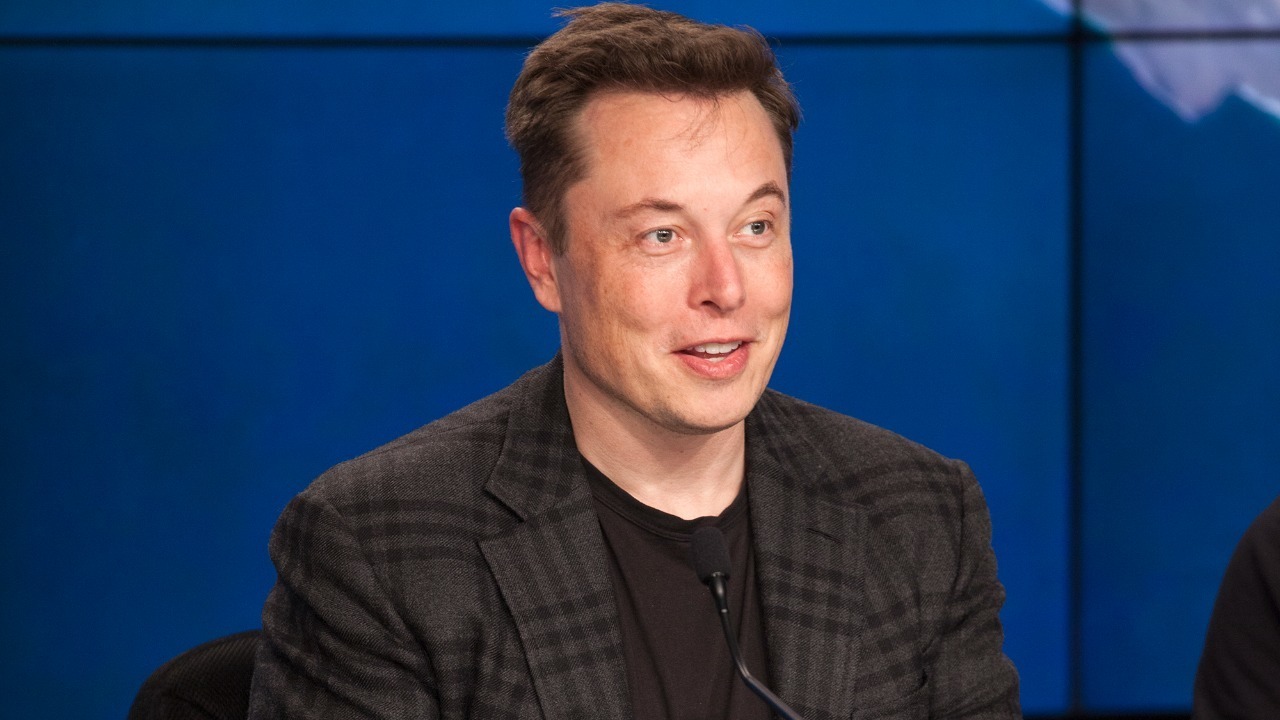
Elon Musk has crossed a threshold no individual has ever reached before, with his personal fortune now estimated at more than 600 billion dollars after a fresh surge in SpaceX’s valuation and a renewed rally in Tesla shares. The milestone cements his status as the world’s richest person by a wide margin and turns his private companies into some of the most consequential assets in global markets.
As Musk’s wealth swells on the back of rockets, electric cars, and artificial intelligence bets, the implications stretch far beyond a single billionaire’s balance sheet. His expanding empire now sits at the intersection of space infrastructure, clean energy, and digital platforms, concentrating financial power and strategic leverage in one figure to a degree that is unprecedented in modern capitalism.
The valuation jolt that pushed Musk over 600 billion dollars
I see Musk’s leap past 600 billion dollars as the product of a simple but powerful equation: a higher price tag on SpaceX plus a resurgent Tesla stock equals a net worth that no one else has ever approached. Recent private-market pricing for SpaceX has lifted the company’s implied valuation sharply, and because Musk owns a large stake, that repricing translates almost directly into a jump in his personal fortune. When analysts tally his holdings across SpaceX, Tesla, and other ventures, they now arrive at a figure that clears the 600 billion dollar mark, a level confirmed by detailed breakdowns of his equity in the rocket maker and the electric car company in reports on his net worth crossing 600 billion dollars on a SpaceX valuation boost, including one that notes how the latest funding round pushed the company’s worth higher and, with it, Musk’s stake in the business, which is described in depth in an analysis of his wealth surge.
That valuation jolt did not happen in isolation, and I read it as the culmination of years of investor confidence in SpaceX’s launch cadence, Starlink satellite network, and deep pipeline of government and commercial contracts. The company’s rising worth, combined with a Tesla stock rally that has added tens of billions of dollars to Musk’s paper gains, has turned him into what one detailed business profile calls a 600 billion dollar man, emphasizing how the market’s renewed enthusiasm for Tesla’s growth story and SpaceX’s strategic importance has compounded his fortune, a dynamic laid out in coverage of his soaring wealth and the dual impact of Tesla’s share price and SpaceX’s valuation in a recent business report.
The first person in history at this level of personal wealth
Crossing 600 billion dollars is not just another notch in the billionaire rankings, and I view it as a structural break in how concentrated individual wealth can become. No previous tycoon, from oil magnates to tech founders, has ever been recorded at this level in inflation-adjusted terms, and the gap between Musk and the next richest individuals now runs into the hundreds of billions. That unprecedented scale is underscored in international coverage that describes him as the first person to ever reach a 600 billion dollar net worth, highlighting how his holdings in Tesla, SpaceX, and other ventures have combined to push him into territory that no other entrepreneur has entered, a milestone detailed in a profile of his rise to this figure in a report on his historic net worth.
What stands out to me is not only the absolute number but the speed at which Musk has moved from being one of several tech billionaires to a singular outlier. Analysts now frame his wealth trajectory as a curve that could steepen further if Tesla executes on its autonomous driving roadmap and SpaceX continues to expand Starlink and deep space missions, with some projections suggesting his net worth could climb from 600 billion dollars toward 677 billion dollars if current valuations and growth assumptions hold, a scenario explored in a detailed forecast of his potential upside in a forward-looking wealth analysis.
Tesla’s rally and the mechanics of Musk’s fortune
To understand how Musk’s wealth ballooned so quickly, I start with Tesla, which remains the single largest component of his net worth and the most visible barometer of investor sentiment toward his empire. The company’s share price has rebounded on expectations that its next generation of vehicles, including updated Model 3 and Model Y variants and the scaling of the Cybertruck, will restore volume growth and margins, while its software ambitions around Full Self-Driving and energy storage add optionality that markets are willing to pay for. That renewed optimism has translated into a Tesla market capitalization that once again ranks among the world’s most valuable automakers, and because Musk holds a massive equity stake, each percentage point move in the stock adds or subtracts billions from his personal tally, a dynamic that is spelled out in coverage of how a Tesla stock rally has helped propel his net worth to 600 billion dollars in a breakdown of his expanding empire.
I also see Tesla’s performance as tightly linked to Musk’s broader narrative as a founder who can straddle hardware, software, and infrastructure. Investors are not just valuing cars; they are pricing in a platform that spans electric vehicles, grid-scale batteries, and autonomous driving data, which helps explain why Musk’s paper wealth can swing so dramatically with each quarterly update. When Tesla’s outlook brightens, it reinforces the perception that Musk’s vision is working, which in turn supports higher valuations for his other companies and feeds back into his net worth, a feedback loop that has been highlighted in detailed accounts of how his wealth has widened its lead over other tech billionaires as he nears a potential trillionaire milestone, including one that notes how his fortune has pulled away from peers like Larry Page as his holdings in Tesla and SpaceX have appreciated, as described in a comparative wealth report.
SpaceX’s valuation boom and the Starlink factor
SpaceX is the other pillar of Musk’s fortune, and I see its latest valuation jump as a recognition that the company has become critical infrastructure for both governments and private customers. Its Falcon 9 and Falcon Heavy rockets have turned regular orbital launches into a routine service, while the Starship program promises even larger payloads and deeper space missions that could unlock new revenue streams. Investors are assigning a premium to that combination of proven launch capacity and ambitious long term projects, which is why each new funding round or secondary sale that prices SpaceX higher has an outsized effect on Musk’s net worth, a pattern that is central to analyses of how a SpaceX valuation boom has bolstered his status as the richest man on Earth, including one that details how the company’s rising worth has become a key driver of his wealth in a report on his expanding holdings.
Starlink, SpaceX’s satellite internet constellation, is particularly important in my view because it transforms the company from a launch provider into a recurring revenue business with global reach. As more satellites go up and more customers sign on, from rural households to maritime and aviation clients, the implied value of Starlink as a standalone asset grows, which feeds into higher overall valuations for SpaceX. That, in turn, magnifies Musk’s personal stake, since he controls a significant share of the company, and helps explain why his net worth can leap by tens of billions when private investors mark SpaceX higher, a linkage that is highlighted in detailed breakdowns of how his wealth has crossed 600 billion dollars on the back of a SpaceX valuation boost and the monetization of Starlink’s network, as outlined in a focused look at the valuation shift.
How Musk’s 600 billion dollar fortune compares to other billionaires
When I stack Musk’s 600 billion dollar fortune against other ultra wealthy figures, the scale of the gap becomes one of the most striking aspects of this story. Traditional tech titans like Larry Page, Sergey Brin, and Mark Zuckerberg, as well as luxury and retail magnates, now trail him by margins that would themselves qualify as major fortunes, reflecting how concentrated his wealth has become in a handful of high growth companies. Analysts tracking global billionaire rankings note that Musk’s lead has widened significantly as Tesla and SpaceX have appreciated, framing his net worth as not just the largest on record but also the most dominant relative to his peers, a point underscored in coverage that describes how he has widened his lead over Larry Page while edging closer to a potential trillionaire status, as detailed in a comparative billionaire analysis.
I also find it useful to compare Musk’s wealth to the size of national economies and major corporations, because that context shows how his personal balance sheet now rivals institutions rather than individuals. At more than 600 billion dollars, his net worth is larger than the market capitalization of many blue chip companies and exceeds the annual gross domestic product of numerous countries, which gives him a degree of financial firepower that can influence markets, policy debates, and technological priorities. That concentration of resources in one person’s hands raises questions about governance and accountability that go beyond the usual fascination with billionaire rankings, and it is why some analysts now frame his fortune as a structural factor in global finance rather than a curiosity, a framing that appears in detailed profiles of his status as the richest man on Earth and the implications of his expanding empire, including one that emphasizes how his holdings in Tesla and SpaceX have reshaped the upper tier of global wealth in a comprehensive wealth overview.
Market sentiment, social media buzz, and the Musk narrative
Beyond balance sheets and cap tables, I see Musk’s 600 billion dollar milestone as a cultural event that plays out in real time on social media, where his supporters and critics frame the news through their own lenses. Posts celebrating his achievement cast him as proof that bold engineering bets can pay off at an unprecedented scale, while skeptics point to the volatility of his companies’ valuations and the risks of tying so much wealth to a few high beta assets. That split is visible in viral commentary that highlights his net worth crossing 600 billion dollars and speculates about whether he could become the first trillionaire, including one widely shared breakdown that walks through the math of his holdings and the scenarios that could push him higher, as seen in a detailed social media thread.
Musk himself has long used platforms like X and Instagram to shape the narrative around his companies, and I expect that dynamic to intensify as his wealth figure becomes a talking point in political and regulatory debates. Visual posts that juxtapose his companies’ rockets, cars, and AI projects with references to his status as the richest man on Earth help reinforce the idea that his fortune is tied to tangible technological progress rather than financial engineering alone. That messaging is evident in celebratory images and captions that link his 600 billion dollar net worth to milestones at Tesla and SpaceX, including one Instagram post that frames his wealth in the context of his broader mission to advance space exploration and sustainable energy, as illustrated in a recent social media update.
Public reaction, inequality concerns, and political scrutiny
As I read the reactions to Musk’s new wealth record, I see a widening gap between admiration for his entrepreneurial achievements and concern about what such extreme concentration of wealth means for society. Supporters argue that his fortune reflects value creation in industries that are critical to the future, from decarbonizing transport to building space infrastructure, and that his companies employ tens of thousands of people while pushing technological frontiers. Critics counter that no individual should control resources on this scale, especially when many of the underlying businesses benefit from public contracts, subsidies, and regulatory frameworks that shape their markets, a tension that surfaces in commentary around his 600 billion dollar net worth and the broader debate over billionaire taxation and corporate power, as discussed in analyses that link his wealth to structural questions about inequality in a detailed examination of his fortune.
Political scrutiny is likely to intensify as Musk’s companies intersect more directly with national security, infrastructure, and information flows. SpaceX’s Starlink network already plays a role in conflict zones and remote connectivity, Tesla’s vehicles and energy products are embedded in critical grids, and Musk’s ownership of major social platforms gives him influence over public discourse. That combination of economic clout and strategic assets makes his 600 billion dollar fortune more than a personal milestone; it turns him into a central figure in debates over how democratic governments should regulate and partner with private actors who control essential technologies, a theme that appears in reporting on how his expanding empire has reshaped the balance between state and corporate power in a broad survey of his businesses.
What 600 billion dollars signals about the future of Musk’s empire
Looking ahead, I interpret Musk’s 600 billion dollar net worth less as an endpoint and more as a snapshot of a moving target that will rise or fall with the fortunes of Tesla, SpaceX, and his other ventures. If Tesla can deliver on its promises around autonomous driving, robotaxis, and energy storage, and if SpaceX can scale Starship and Starlink into even larger businesses, the projections that place his potential wealth at 677 billion dollars or higher do not look far fetched. On the other hand, setbacks in execution, regulatory pushback, or market rotations away from high growth tech could shave hundreds of billions off his paper gains, underscoring how much of his fortune is tied to future expectations rather than cash in the bank, a point that is emphasized in forward looking analyses that model different scenarios for his wealth trajectory in a scenario based forecast.
For now, the 600 billion dollar figure crystallizes the scale of Musk’s influence over some of the most important technologies of the coming decades. His companies sit at the crossroads of space access, clean energy, electric mobility, and digital communication, and his personal balance sheet reflects the market’s belief that he can keep pushing those frontiers. Whether that belief proves justified will determine not only the future of his net worth but also the shape of industries that affect everything from how people drive and power their homes to how they connect to the internet and explore beyond Earth, a connection that is vividly illustrated in celebratory posts that tie his wealth milestone to images of rockets and electric vehicles, such as an Instagram update that pairs his 600 billion dollar status with visuals of his flagship products in a widely shared photo set.
More From TheDailyOverview

Grant Mercer covers market dynamics, business trends, and the economic forces driving growth across industries. His analysis connects macro movements with real-world implications for investors, entrepreneurs, and professionals. Through his work at The Daily Overview, Grant helps readers understand how markets function and where opportunities may emerge.