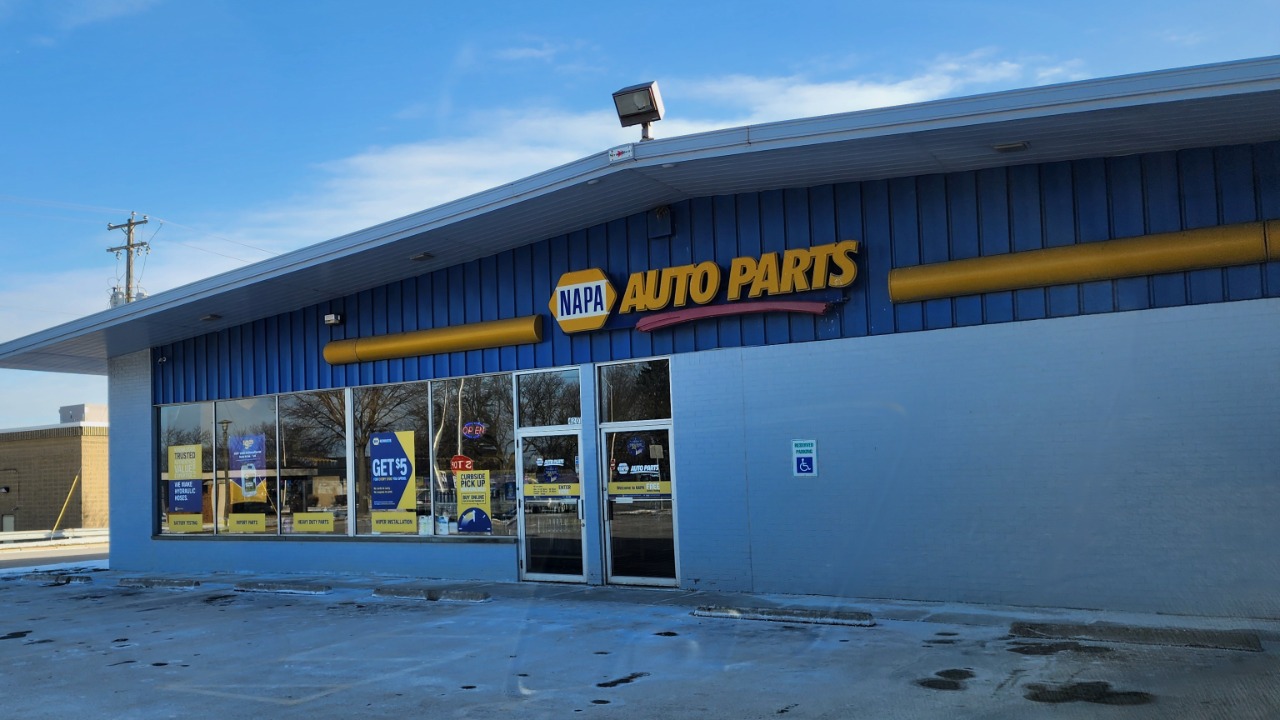
Genuine Parts Company, the Atlanta-based conglomerate behind the NAPA auto parts chain, announced on February 17, 2026, that it will break apart into two standalone public companies, one focused on automotive aftermarket parts and the other on industrial distribution. The decision follows months of internal review and external pressure, and it arrives at a moment when the automotive side of the business faces significant cost headwinds. Rather than a clean strategic win, the split raises a harder question: whether separating two businesses that have coexisted for decades will actually create value or simply isolate a struggling unit from the cash flows that once cushioned it.
From Strategic Review to Formal Breakup
The separation did not materialize overnight. Back in September 2025, Bloomberg reporting indicated that GPC was weighing a breakup of its auto business, citing people familiar with the matter. That early leak suggested internal deliberations were already well advanced, months before any public commitment. The formal announcement in February 2026 described the move as the result of a strategic assessment designed to sharpen each business’s focus and extend its market position, according to the company’s detailed separation statement, which framed the breakup as a way to create two “industry-leading” public companies. The timeline between the September leak and the February announcement matters because it suggests that GPC’s board spent roughly five months testing the financial and operational feasibility of a split before going public. During that window, the company continued to file routine disclosures with the SEC, including its annual report for the year ended December 31, 2024. That Form 10-K described a business spanning automotive and industrial segments with operations across North America and multiple international markets, and it laid out the risk factors, segment economics, and governance structures that would eventually need to be untangled in any separation. The fact that management proceeded with the breakup after reviewing those risks underscores how strongly it believes in the standalone prospects of each unit.
Two Distinct Businesses Under One Roof
Understanding why GPC chose to split requires looking at what it actually owns. The automotive segment, anchored by the NAPA brand, distributes aftermarket parts to repair shops, dealerships, and retail customers. The industrial segment supplies bearings, power transmission equipment, and other components to manufacturers. In its mid-2025 quarterly report, GPC’s segment disclosure emphasized how different the two customer bases, product categories, and geographic exposures really are. Automotive demand is tied to vehicle age and miles driven; industrial demand tracks factory output and capital spending cycles, leaving each side of the house exposed to different macroeconomic rhythms. The logic for keeping them together historically rested on shared back-office functions, purchasing scale, and the ability to cross-subsidize during downturns. But that logic has weakened as each segment has grown more complex and capital intensive. The automotive aftermarket now faces pressure from rising parts costs, shifting supply chains, and uncertainty around electric vehicle adoption timelines, while the industrial side contends with its own investment and inventory cycles. Bundling them under one stock ticker arguably forced investors to accept a blended valuation that neither segment’s advocates wanted. The Wall Street Journal situated the GPC split within a broader pattern of large companies carving apart diversified portfolios, noting the scale differences between the auto and industrial units and pointing to activist investor interest, including from Elliott, as a catalyst for structural change.
Wall Street’s Sharp Reaction
If the split was supposed to be a value-creation event, the market’s initial verdict was skeptical. Shares slid more than 12% following the announcement, according to Reuters coverage that also flagged a $150 million hit linked to First Brands. That sell-off suggests investors are not simply pricing in the operational benefits of focus. They are also weighing the near-term costs of separation, including duplicated corporate functions, potential debt reallocation, and the loss of diversification that once smoothed earnings volatility across cycles. In the short run, those frictions can overshadow any theoretical multiple expansion that might come from giving each business a purer equity story. The $150 million figure tied to First Brands deserves particular attention. While the exact nature of the hit is not fully detailed in the sources cited here, its disclosure alongside the split announcement indicates that the automotive unit carries specific financial burdens that will travel with it into independence. For a newly standalone company, absorbing that kind of charge while simultaneously building out its own corporate infrastructure is no small task. The market reaction reflects a rational concern: separation can unlock value, but it can also expose weaknesses that were previously masked by consolidated reporting. Investors appear to be asking whether the auto business, stripped of industrial cash flows and facing higher standalone costs, will have enough earnings power and balance sheet flexibility to justify the risk.
Automotive Headwinds Complicate the Timing
The split arrives during what Bloomberg coverage described as a volatile stretch for the automotive business, with the unit grappling with high costs and economic uncertainty. That characterization aligns with broader industry patterns in which aftermarket parts distributors have faced margin compression from supply chain disruptions, labor inflation, and changing vehicle technology over the past two years. Launching a standalone automotive company into that environment is effectively a bet that a narrower mandate, dedicated leadership, and tailored capital allocation will outweigh cyclical pain and structural cost pressure. The counterargument is that the industrial unit stands to benefit most from the separation. Freed from having to share capital and management bandwidth with a more volatile automotive business, the industrial company could prioritize long-term contracts, targeted acquisitions, and productivity investments that play to its strengths in bearings and power transmission. Investors who prefer steadier, manufacturing-linked cash flows may gravitate to that cleaner profile. Yet the auto business will no longer be able to rely on industrial earnings to offset downturns, making its own cost discipline and pricing power more critical than ever. The success of the breakup will hinge on whether the automotive company can navigate cost headwinds quickly enough to convince the market that it is more than just the riskier half of a former conglomerate.
What the Breakup Signals About Corporate Strategy
Beyond the immediate market reaction, the GPC split underscores a larger shift in corporate strategy toward specialization and transparency. Management has framed the move in the language of focus and leadership, echoing themes often heard in announcements distributed through platforms like PR Newswire, where companies emphasize “pure-play” identities and investor alignment. By promising two “industry-leading” entities, GPC is aligning itself with peers that have argued investors will pay more for simpler, easier-to-model businesses with distinct capital allocation policies and incentive structures. At the same time, the breakup highlights the trade-offs that come with dismantling diversified groups. Conglomerate structures can obscure where value is created, but they also provide internal shock absorbers when one segment stumbles. In GPC’s case, the industrial arm historically offered some counterweight to automotive volatility. Once the separation is complete, that cushion disappears, and each management team will be judged more starkly on its own execution. For shareholders, the question is whether the clarity and potential multiple re-rating from two focused companies will compensate for the added exposure to end-market swings and the upfront costs of disentangling decades of shared systems, contracts, and culture. The answer will only become clear as the new auto and industrial entities begin to report standalone results and test the market’s willingness to back their divergent paths. More From The Daily Overview
*This article was researched with the help of AI, with human editors creating the final content.

Grant Mercer covers market dynamics, business trends, and the economic forces driving growth across industries. His analysis connects macro movements with real-world implications for investors, entrepreneurs, and professionals. Through his work at The Daily Overview, Grant helps readers understand how markets function and where opportunities may emerge.