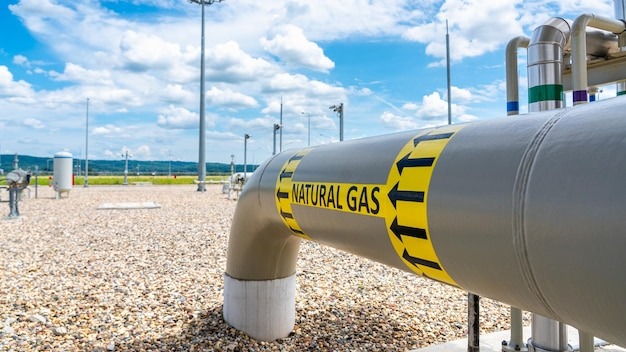
Natural gas markets are being whiplashed by a brutal Arctic outbreak that has sent heating demand soaring and prices spiking at a pace traders have not seen in years. Benchmark U.S. contracts have jumped roughly 45% in just two trading sessions as subzero wind chills sweep across large parts of the country and forecasters warn that the cold will linger. The surge is turning a once-glutted market into a real-time stress test of how well the gas system can cope with extreme weather.
What is unfolding now is not just another winter price pop but a concentrated shock that is exposing weak points from shale fields to power grids and household budgets. If the freeze deepens or repeats later in the season, the current rally could mark the toughest winter trial for gas markets in about a decade, with ripple effects for inflation, corporate earnings and energy policy debates.
Prices rocket higher as Arctic air grips the market
The speed of the move is striking even by volatile gas standards. The benchmark contract has leapt from $3.40 per million British thermal units on Monday to more than $4.70 per MMBtu early Wednesday, a jump from $3.40 to $4.70 that traders describe as a classic cold-weather squeeze. One analysis puts the two day gain at roughly 45%, with front month futures logging their biggest percentage rise since 2022 as the Arctic blast tightened the balance between supply and demand. Parallel data show spot Natural gas prices climbing to 4.80 USD per MMBtu, up 22.77% from the prior session, underscoring how quickly sentiment has flipped.
Futures trading desks describe the rally as almost vertical. One energy trader, Pete Gallagher of Mizuho, characterizes the move as parabolic, with prices accelerating as investors scramble to cover short positions that had been built up during months of mild weather and comfortable storage. Early Wednesday trading saw front month Futures jump more than 80 cents in a single session, a scale of intraday swing that forces utilities, industrial users and hedge funds alike to reassess their risk exposure.
Weather shock collides with supply constraints
The meteorological trigger is straightforward. A deep Arctic trough is spilling south, with forecasters warning of a major winter storm that will blanket a large portion of the country in snow, ice and dangerous wind chills. Ahead of that system, Topline assessments note that Natural gas prices have already soared for a second straight day as traders price in surging heating demand and the risk of infrastructure strain. The same storm track is highlighted in separate coverage that describes how Tuesday for the second day in a row, traders bid up contracts in anticipation of the coldest spell of the season.
As the Arctic air mass digs in, analysts warn that volatility is likely to persist. One detailed outlook notes that As the Arctic cold descends across the Upper Midwest and then much of the United States, gas markets are expected to remain jumpy, with prices staying elevated until temperatures moderate. That same analysis flags the potential for widespread economic and social impacts if the blast, described as one of the most significant winter threats of the season, persists or repeats later in the winter.
Storage cushions the blow, but freeze offs loom
One reason the current spike has not yet turned into a full blown supply crisis is that underground inventories entered this cold spell in relatively solid shape. A recent overview of Storage Levels and Production in the USA notes that stocks are Inventories Higher Than for the Same Period, According to the EIA, and remain near historical norms despite steady withdrawals. That buffer gives grid operators and utilities more flexibility to meet surging demand without resorting to emergency curtailments.
The bigger near term risk lies on the production side. Past cold snaps have shown that frigid temperatures can choke off output through so called freeze offs, when water and other liquids in wells and gathering lines solidify. One recent assessment notes that, Aside from boosting heating demand, extreme winter weather can lift prices as supply is lost to freeze offs in key basins such as the Aside Marcellus shale region in Pennsylvania. Another market update points out that, After slumping below 17 Bcf per day at mid month amid maintenance, feed gas deliveries to LNG export terminals have rebounded, tightening the domestic balance just as the cold hits.
Traders, producers and benchmarks under pressure
The price shock is reverberating across financial markets. Data from one commodity screen show WTI Crude trading around 60.52 with a gain of 1.82%, while Natural Gas sits near 3.850 with a daily jump of 24.07%, underscoring how gas is vastly outpacing oil in percentage terms. Benchmark dashboards such as Google Finance, which aggregates futures, equities and currency data, are suddenly flashing red across the gas complex as volatility spikes. The same Google Finance feeds that had shown months of languid trading are now capturing some of the biggest intraday swings since the pandemic era.
Equity investors are reacting just as quickly. By Steve Goldstein notes that By Steve Goldstein, Stocks of natural gas producers have surged, with names like Expand Energy and Coterra Energy among the leading S&P 500 performers as temperatures drop. At the same time, the natural-gas futures curve has steepened, with prompt month contracts showing the sharpest gains as traders focus on the immediate weather risk rather than long term fundamentals.
Households, LNG and the risk of a longer squeeze
For consumers, the immediate impact will show up in heating bills and, in some regions, in electricity prices where gas fired plants set the marginal power cost. Analysts tracking the benchmark contract emphasize that the recent surge from $3.40 to $4.70 is already feeding into wholesale tariffs, and that further gains could follow if the cold persists or if another storm hits before storage can be rebuilt. The same benchmark report notes that liquefied natural gas export prices are rising in tandem, as overseas buyers compete for cargoes just as U.S. demand spikes.
That linkage between domestic and global markets is one reason some analysts see this winter as a pivotal test. Feed gas flows to export terminals, which had dipped earlier in the month, are climbing again, with one market recap noting that they are moving back toward late year highs in the second half of Jan. As those volumes rise, the U.S. system has less slack to absorb weather shocks, especially if freeze offs hit production in multiple basins at once. A separate long form analysis warns that, As the Arctic outbreak deepens, the combination of elevated LNG exports and domestic heating demand could amplify the economic and social impacts of any prolonged price spike.
More From TheDailyOverview
*This article was researched with the help of AI, with human editors creating the final content.

Grant Mercer covers market dynamics, business trends, and the economic forces driving growth across industries. His analysis connects macro movements with real-world implications for investors, entrepreneurs, and professionals. Through his work at The Daily Overview, Grant helps readers understand how markets function and where opportunities may emerge.

