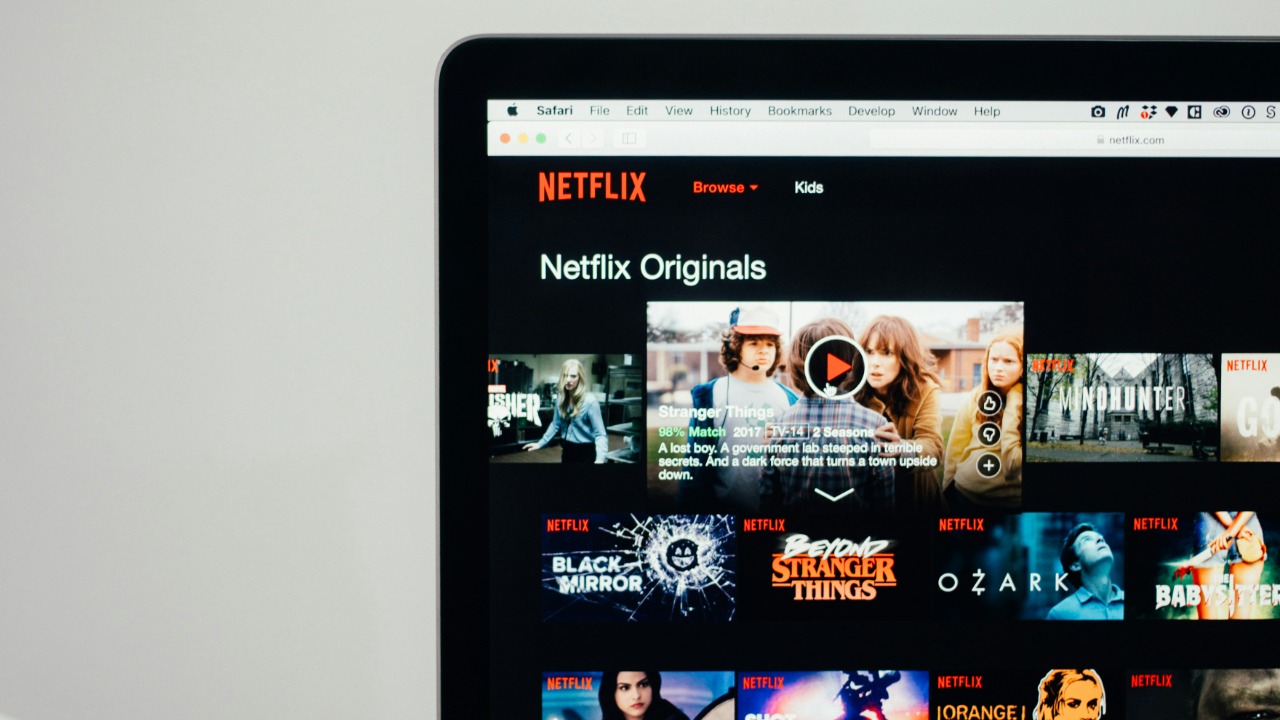
Netflix’s grand plan for a prestige sci-fi series has curdled into a courtroom spectacle, with prosecutors alleging that a lavish production budget was siphoned into crypto bets, luxury cars, antiques and even premium mattresses instead of episodes. What began as a roughly $55 million commitment to a visionary showrunner is now a case study in how streaming-era risk taking can collide with old-fashioned financial fraud. The collapse of the project, and the spending trail that followed, raises uncomfortable questions about how one of the world’s biggest entertainment companies let so much money leave the set and land in a director’s personal shopping cart.
At the center of the scandal is director Carl Erik Rinsch, once touted as a bold stylist who could deliver Netflix its next sci-fi franchise. Instead of a finished series, the company is now watching as federal prosecutors detail how production funds were allegedly diverted into speculative trades and personal luxuries, leaving subscribers and creatives alike to wonder how a greenlit blockbuster ended up as a cautionary tale.
The $55 million sci‑fi bet that never made it to screen
From the outset, Netflix treated Carl Erik Rinsch as a high-upside gamble, backing his sci‑fi concept with tens of millions of dollars and broad creative latitude. According to court filings, the streamer had already advanced him $44 million when he returned to ask for another $11 million, a request Netflix approved even as production was starting to wobble. That brought the total commitment to roughly $55 million for a show that, by prosecutors’ account, never came close to delivering the episodes the budget implied.
On paper, the project looked like a classic streaming swing: a high-concept sci‑fi series, initially developed elsewhere, that Netflix scooped up and rebranded as a potential tentpole. Reporting describes how Netflix took up the sci‑fi series after earlier backers stepped away, effectively inheriting both the creative ambition and the production risk. Internally, the bet was that a distinctive visual stylist could turn a sprawling concept into the kind of bingeable saga that keeps subscribers from canceling. Instead, the money trail now being laid out in court suggests that once the checks cleared, the showrunner’s priorities shifted away from sets and scripts and toward personal enrichment.
From Netflix darling to Hollywood defendant
The whiplash in Carl Erik Rinsch’s career arc is part of what makes this case so striking. He was once positioned as a filmmaker who could give Netflix a signature sci‑fi world, with executives touting his visual flair and appetite for scale. That promise is now being recounted in a very different setting, as Carl Erik Rinsch, once positioned for a breakout, faces a federal jury in Manhatt on charges that he misused $11 million in production funds. The same qualities that once made him a coveted hire, a willingness to push boundaries and demand resources, now read very differently when prosecutors describe how he allegedly treated Netflix’s budget as a personal bank account.
Authorities say the turning point came when Rinsch secured that extra $11 million tranche, ostensibly to keep the show on track. In an indictment filed by the Southern District of New York, prosecutors allege that Rinsch, also identified as Carl Rinsch, instead spent funds meant to finish the show on luxury goods and personal investments. What had been framed as emergency financing to salvage a troubled production is now central to a fraud case that could define how aggressively studios scrutinize their most freewheeling auteurs.
Crypto bets, sports cars and a trail of luxury spending
At the heart of the government’s case is a simple allegation: money earmarked for cameras, crews and visual effects was instead poured into speculative trades and conspicuous consumption. Prosecutors say that director Carl Rinsch moved production cash into personal accounts and used it to buy cryptocurrency, a decision that briefly generated large paper gains before the market turned. One filing describes how a Director of a failed Netflix show spent a $17 million slice of the budget on crypto, sports cars and divorce fees, rather than on the production that Netflix had later renamed Conquest. The picture that emerges is less of a struggling artist trying to plug budget holes and more of a gambler using studio money to chase windfalls.
The alleged spending spree did not stop at digital tokens. Prosecutors contend that the director splashed out on high-end vehicles and other status symbols, treating the production account like a personal rewards program. In one summary, Hollywood director Carl Erik Rinsch is accused of burning through millions in roughly two months, a pace of spending that would be aggressive even for a studio tentpole, let alone an unfinished streaming series. For Netflix, the optics are brutal: subscribers see price hikes and password crackdowns, while one of the company’s chosen creatives is alleged to have turned their subscription fees into a fleet of sports cars and a volatile crypto portfolio.
Mattresses, antiques and the personal shopping list
If the crypto trades and cars suggest a high-roller mentality, the rest of the alleged purchases read like a surreal shopping list. Prosecutors say that Rinsch did not just dabble in digital assets, he also moved Netflix’s money into a personal account and rapidly spent it on physical luxuries. According to one detailed account, Prosecutors allege that Rinsch transferred Netflix’s funds and used them to buy antiques, premium watches and clothing, treating the production budget as a way to build out his personal collection. The spending pattern, if proven, suggests a director who saw little distinction between the show’s balance sheet and his own lifestyle upgrades.
Jurors are also expected to hear about more intimate purchases that underline how far the alleged misuse strayed from any plausible production need. In pretrial coverage, it has been reported that Jurors will hear extensive details of Rinsch’s spending, including two very pricey premium mattresses that prosecutors say were bought with Netflix money. Mattresses, antiques, designer watches: none of it looks like a line item on a sci‑fi call sheet, and all of it reinforces the prosecution’s narrative that the director treated the budget as a personal slush fund rather than a tool to get a show made.
The fraud case and what it means for Netflix oversight
The legal case against Carl Erik Rinsch is now moving from investigation to full public airing, with each new filing adding pressure on Netflix to explain how its controls failed. Earlier this year, Carl Erik Rinsch was arrested in Los Angeles on Tuesday after a seven-count grand jury indictment was unsealed, signaling that prosecutors believe they can prove a pattern of fraud rather than a single bad decision. In a separate summary, Prosecutors allege that Director Carl Rinsch spent production money on personal investments and luxuries, a framing that leaves little room for Netflix to argue this was a misunderstanding over allowable expenses.
For Netflix, the fallout goes beyond one canceled series. The company has already faced a lawsuit from Rinsch over the project, and now it must contend with the reputational hit of being portrayed as a deep-pocketed studio that wired out $55 million without catching that so much of it was being spent off set. In one account of the trial, Dec is cited as the moment when the case reached a federal jury, underscoring how long this saga has been building behind the scenes. As I see it, the lesson for Netflix and its rivals is stark: in the streaming arms race, creative freedom cannot come at the expense of basic financial oversight, or the next would‑be blockbuster may end up as a line item in a fraud indictment instead of a hit in the Top 10 row.
More From TheDailyOverview

Grant Mercer covers market dynamics, business trends, and the economic forces driving growth across industries. His analysis connects macro movements with real-world implications for investors, entrepreneurs, and professionals. Through his work at The Daily Overview, Grant helps readers understand how markets function and where opportunities may emerge.

