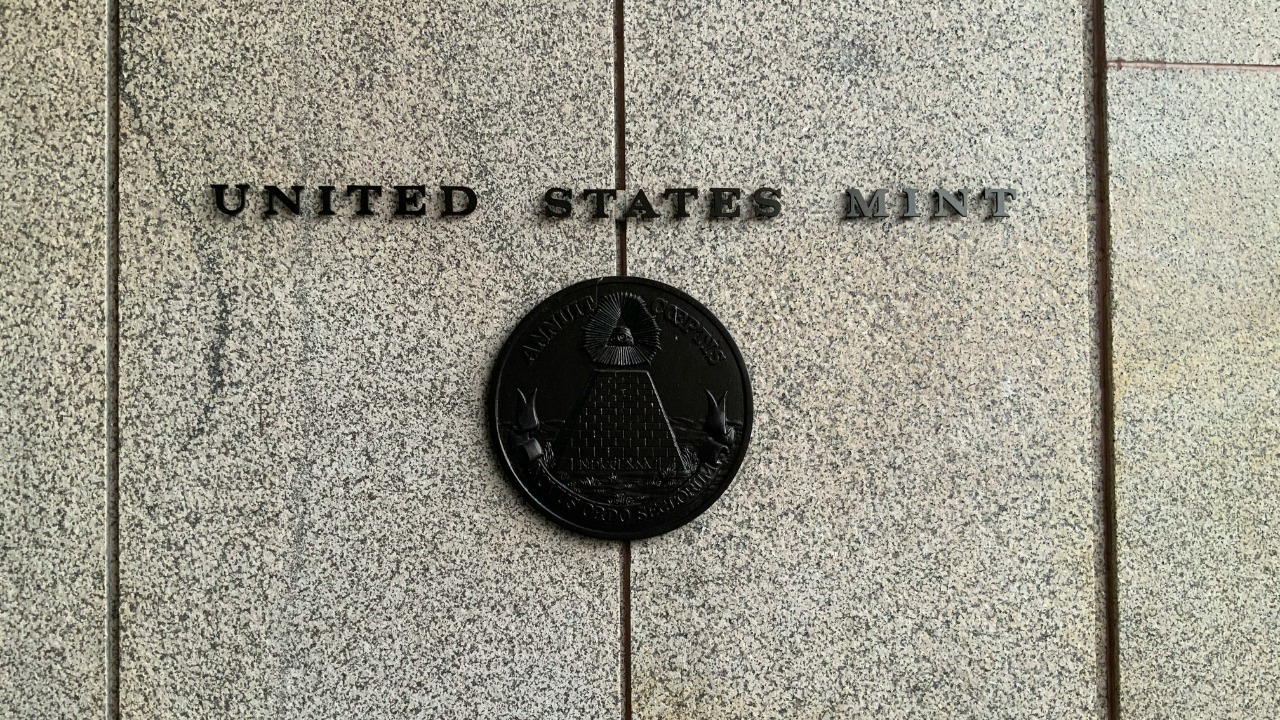
The United States is marking 250 years with a fresh set of circulating coins, but the designs are already sparking debate over what, and who, is missing. Instead of spotlighting some of the country’s hardest fought struggles, the new images lean heavily on familiar founders and broad patriotic themes. That tension between commemoration and omission is now colliding with a second question that always follows a new coin program: will any of these pieces actually be worth more than face value.
As I look at the designs, the controversy over what was left off may ultimately matter less to long term prices than basic numismatic math. Rarity, demand and condition have always driven value, not whether a coin captured every chapter of American history. Yet the backlash over the skipped moments could still shape which of these 250th anniversary issues collectors chase, and which end up as just another handful of change.
What the Mint chose, and what it left out
The United States Mint has rolled out a one year redesign of circulating coins to mark the semiquincentennial, with new reverse images on denominations from the cent through the dollar. The program, described by the Mint as a special circulating commemorative series, is meant to honor 1776 to 2026 with scenes that celebrate independence, constitutional government and broad national ideals, according to an overview of the semiquincentennial coins. The United States Mint confirmed that the circulating designs would be paired with a one year change to the half dollar, which rarely shifts, making that denomination a particular focus for collectors.
Yet the most striking thing about the new coins may be what is not there. Earlier concept art and internal discussions had explored designs that would have depicted abolition, women’s suffrage and the civil rights movement, including a specific image of abolitionist Frederick Douglass and a scene honoring women and their fight for the vote. Multiple reports later confirmed that these ideas were abandoned, even though they would have met the Mint’s own requirement that the series reflect the “broad sweep” of American history, according to detailed accounts of the abandoned designs. Instead, the final lineup leans back toward familiar figures such as James Madison and George Washington, a choice that has fueled accusations of historical whitewashing.
The whitewashing fight and the Trump factor
The backlash erupted as soon as the Mint began shipping the new coins into circulation earlier this month. When the Mint started distributing the semiquincentennial pieces to banks to honor the United States’ 250th anniversary, critics quickly pointed out that the designs omitted several notable moments for civil rights, abolition and women’s suffrage. On social media, one widely shared post described the program as a “shame and waste of OUR $$,” while others explicitly blamed the Trump administration for steering the design process away from more inclusive imagery, according to a viral Facebook post. The anger has been especially sharp from historians and activists who argue that a 250th anniversary is precisely the moment to foreground the country’s fights over slavery and equality.
Those complaints have now hardened into a broader political controversy. One detailed explainer on the uproar notes that the Mint’s 250th anniversary coins are facing accusations of whitewashing because the final designs highlight founders like James Madison and George Washington while dropping scenes tied directly to abolition, women’s suffrage and the civil rights era. Critics quoted in that analysis explicitly identify the Trump administration as the culprit for the shift, arguing that political pressure pushed the Mint away from Frederick Douglass and other figures who might have complicated a celebratory narrative of the United States, according to a breakdown of who is being. The Mint has not publicly detailed every internal decision, but the pattern of what made the cut and what did not is now inseparable from the politics of the moment.
Collector reality: what actually makes a coin valuable
For all the heat around the designs, the cold reality for hopeful collectors is that most of these 250th anniversary coins are unlikely to soar in value. Numismatic experts point out that modern circulating commemoratives are produced in the hundreds of millions, which means supply will swamp demand for decades. One detailed analysis of the program notes that, for people dreaming of a big payday, the 250th anniversary coins are unlikely to increase much beyond face value, especially compared with scarcer issues from the 19th and early 20th centuries, according to a sober assessment of future values. In other words, the typical quarter or dime from this series will probably always be worth a quarter or a dime.
Professional numismatists stress that the same old rules still apply. Donn Pearlman, a spokesperson for the Professional Numismatists Guild, has explained that the most valuable coins tend to be those with extremely low mintages, unusual varieties or striking errors, such as pieces created with defective dies. He points to classic rarities like Liberty Head nickels, which were produced and circulated under unusual circumstances, as examples of how scarcity and story combine to drive prices, according to his comments on what collectors really. By that standard, only a tiny fraction of the new 250th anniversary coins, such as error pieces or low mintage special issues, are likely to command serious premiums.
Lessons from Bicentennial quarters and modern commemoratives
History offers a useful reality check. When the United States marked 200 years with Bicentennial quarters, half dollars and dollars, many Americans tucked them away assuming they would become treasures. Decades later, most Bicentennial quarters still trade for their face value of 25 cents, with only high grade or unusual examples bringing more, according to a detailed look at how Bicentennial quarters have actually performed. That experience suggests that the average 2026 quarter, even with a special reverse, is unlikely to pay for anyone’s retirement.
The Mint’s own track record with modern commemoratives points in the same direction. A recent overview of the semiquincentennial program notes that, similarly for 2026, the Mint will issue five collector sets of 24k gold coins that will only be available directly from the Mint, with strict limits on how many can be sold. Earlier programs show that such low mintage gold pieces, like a prior half dollar issue capped at exactly 140,592 coins, can attract strong collector interest and secondary market premiums, according to that breakdown of limited mintages. By contrast, the mass produced circulating coins tied to the same anniversaries usually remain common and inexpensive.
Where scarcity and controversy might intersect
Even within a high volume program, there are pockets of potential scarcity. A detailed preview of the 1776–2026 designs notes that the Mint is no longer producing cents for circulation, with the final pieces just auctioned off, and that the semiquincentennial cent will instead appear in special sets. That structural change means any 250th anniversary cent will be inherently scarcer in everyday commerce, and the same preview shows how the full suite of 2026 semiquincentennial coins will be packaged for collectors, according to the first look at the coin images. Because the half dollar changes so rarely, one specialist blog argues that this one year design is expected to be especially popular in 2026 mint sets and other numismatic releases, suggesting that certain packaging combinations could be harder to find intact in the long run, according to its analysis of why the half.
More From The Daily Overview
*This article was researched with the help of AI, with human editors creating the final content.

Silas Redman writes about the structure of modern banking, financial regulations, and the rules that govern money movement. His work examines how institutions, policies, and compliance frameworks affect individuals and businesses alike. At The Daily Overview, Silas aims to help readers better understand the systems operating behind everyday financial decisions.

