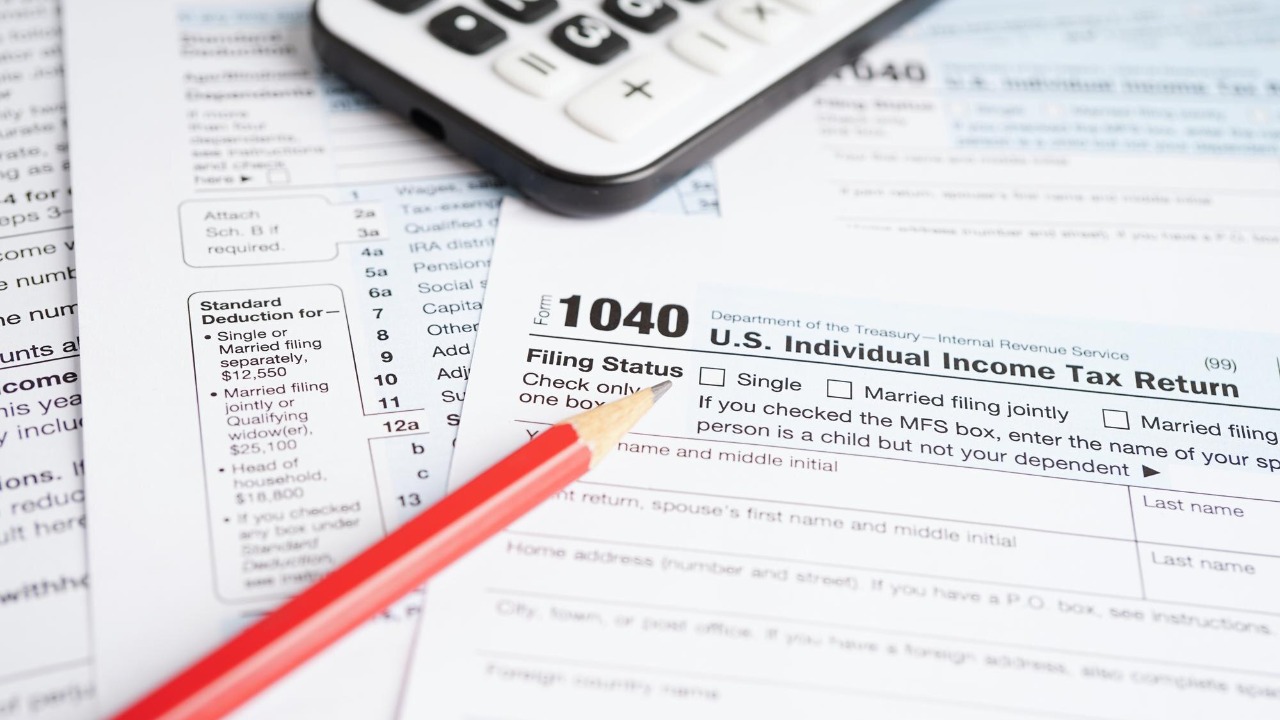
Millions of Americans are heading into tax season with something unusual on the horizon: the prospect of meaningfully larger refunds driven by a sweeping set of new IRS rules and federal tax law changes. The combination of fresh deductions, higher standard write offs and updated brackets is poised to shrink taxable income for a wide range of households, especially families with children and homeowners in high tax states. For many filers, the challenge now is less about whether the rules are generous and more about whether they can navigate them in time to capture the full benefit.
Those changes sit at the intersection of President Donald Trump’s latest tax law and the One Big Beautiful Bill, a package that reshapes everything from the standard deduction to state and local tax write offs. The IRS has begun rolling out detailed guidance, but the burden still falls on individual taxpayers to match their own income, family situation and withholding to the new landscape if they want those bigger checks to actually show up.
Why refunds are forecast to jump this season
The core reason refunds are expected to swell is straightforward: the tax code now lets many households keep more of each dollar they earn, while their paychecks often did not fully adjust to reflect that shift. When withholding stays relatively high but liability falls, the difference comes back as a refund. Analysts expect that pattern to play out widely as Refunds for the 2026 filing season are projected to be larger than in prior years for a broad slice of filers who claim the new breaks when they file in 2026, according to early analysis. That dynamic is especially pronounced for workers whose income and family circumstances have stayed relatively stable from last year.
There is also a structural shift in how the law treats common deductions and credits. Why refunds are expected to grow ties back to a series of targeted changes that reduce taxable income for families with children, renters who qualify for new credits and homeowners who can now write off more of their state and local payments when they itemize, as outlined in separate guidance. When I look across those provisions, the through line is clear: the code is nudging more relief toward middle income households that have seen costs rise faster than wages in recent years.
The One Big Beautiful Bill and new IRS rules
The centerpiece of the current overhaul is the One Big Beautiful Bill, which rewires several pillars of individual taxation. For married couples filing jointly, the standard deduction for tax year 2026 is set at $32,200, while single filers and married individuals filing separately can claim $16,100, according to the IRS summary of Tax provisions. Those larger baseline write offs mean many households will see less of their income exposed to federal tax before they even consider itemizing or layering on credits.
Beyond the standard deduction, the law reshapes itemized breaks that have been politically contentious for years. One Big Beautiful Bill provisions include an increased state and local tax write off, with a Summary of key provisions noting that it Raises SALT cap to $40,000 if you earn up to $500,00, a change that could significantly alter the math for homeowners in high tax states who previously hit the old ceiling, according to a detailed One Big Beautiful breakdown. When I run through sample returns for a dual income couple in a high cost metro area, that higher SALT cap alone can flip them from owing a modest balance to receiving a sizable refund.
Standard deduction, brackets and credits: where the gains show up
The IRS has also adjusted the broader scaffolding of the tax code, from brackets to the standard deduction, in ways that quietly boost refunds. On average, tax parameters that are adjusted for inflation will increase by about 2.7 percent, which means the 2026 Federal Income Tax Brackets now start and end at higher income thresholds than last year, according to updated Federal Income Tax data. When brackets rise faster than a taxpayer’s own income, more of their earnings are taxed at lower rates, trimming their final bill.
At the same time, the IRS continues to emphasize that filers essentially choose between two main paths to reduce taxable income: the standard deduction or itemizing. The IRS offers two major options for lowering your taxable income, and Most taxpayers still come out ahead by taking the standard deduction, especially now that it has been boosted under the new law, according to a practical explainer from The IRS. For a typical single worker with a W 2 job and no mortgage, that larger standard deduction, combined with slightly wider brackets, can easily translate into a few hundred dollars more in their refund compared with last year.
Trump’s tax law, OBBB changes and the politics of “largest refunds”
Overlaying all of this is President Trump’s decision to lock in his earlier tax cuts and layer on new relief. Trump’s 2025 tax law made permanent his 2017 tax breaks, which is described as mostly continuity from the current status quo by policy analyst Garrett Watson, who also notes that the child tax credit is now $2,200, up from $2,000, according to a recent Trump focused breakdown. That extra $200 per qualifying child may not sound dramatic in isolation, but for a family with three children it adds up to $600 in additional credits, which directly reduces their tax bill dollar for dollar and can push their refund sharply higher.
Alongside the permanent tax cuts, the 2026 filing season is being defined by a wave of OBBB Changes that touch everything from deductions to credits. Even though Presiden Trump signed the law, the practical work of translating it into forms and instructions falls to the IRS, which is now implementing a long list of changes contained in OBBB that will shape how returns are calculated this year, according to a comprehensive OBBB overview. The White House has been quick to frame the result in political terms, with an official release declaring that President Trump Delivers Largest Tax Refund Season in U.S. History and emphasizing that Americans are poised to receive historically high average refunds, a claim backed by outside estimates cited in the President Trump Delivers announcement.
New deductions, digital refunds and how to actually claim the money
Generous rules only matter if taxpayers know how to use them, and that is where the IRS and private sector tools are trying to close the gap. WASHINGTON officials have stressed that Taxpayers may be able to take advantage of new deductions that could reduce taxable income and increase refunds due to the One Big Beautiful Bill, and they are steering filers toward dedicated IRS.gov resources that walk through the changes line by line. A related IRS notice underscores that WASHINGTON Taxpayers should carefully review the new deduction categories and see the related instructions before they file, a point reinforced in a more detailed Jan briefing.
On the ground, those new deductions are already reshaping expectations. When they file their returns, that difference between what workers had withheld and what they ultimately owe is returned as a refund, and New deductions are a big part of why that gap is widening. Some of those new deductions include write offs tied to education costs and expanded breaks for certain work related expenses, according to local coverage of When tax filing season kicked off. Americans can expect to see bigger tax refunds this year, thanks to new rules at the Intern Revenue Service that expand deductions and credits through the 2028 tax year, a trend highlighted in a national explainer that notes Your support makes all the difference for households counting on those checks, as reported in a recent Your analysis.
More From TheDailyOverview
*This article was researched with the help of AI, with human editors creating the final content.

Julian Harrow specializes in taxation, IRS rules, and compliance strategy. His work helps readers navigate complex tax codes, deadlines, and reporting requirements while identifying opportunities for efficiency and risk reduction. At The Daily Overview, Julian breaks down tax-related topics with precision and clarity, making a traditionally dense subject easier to understand.