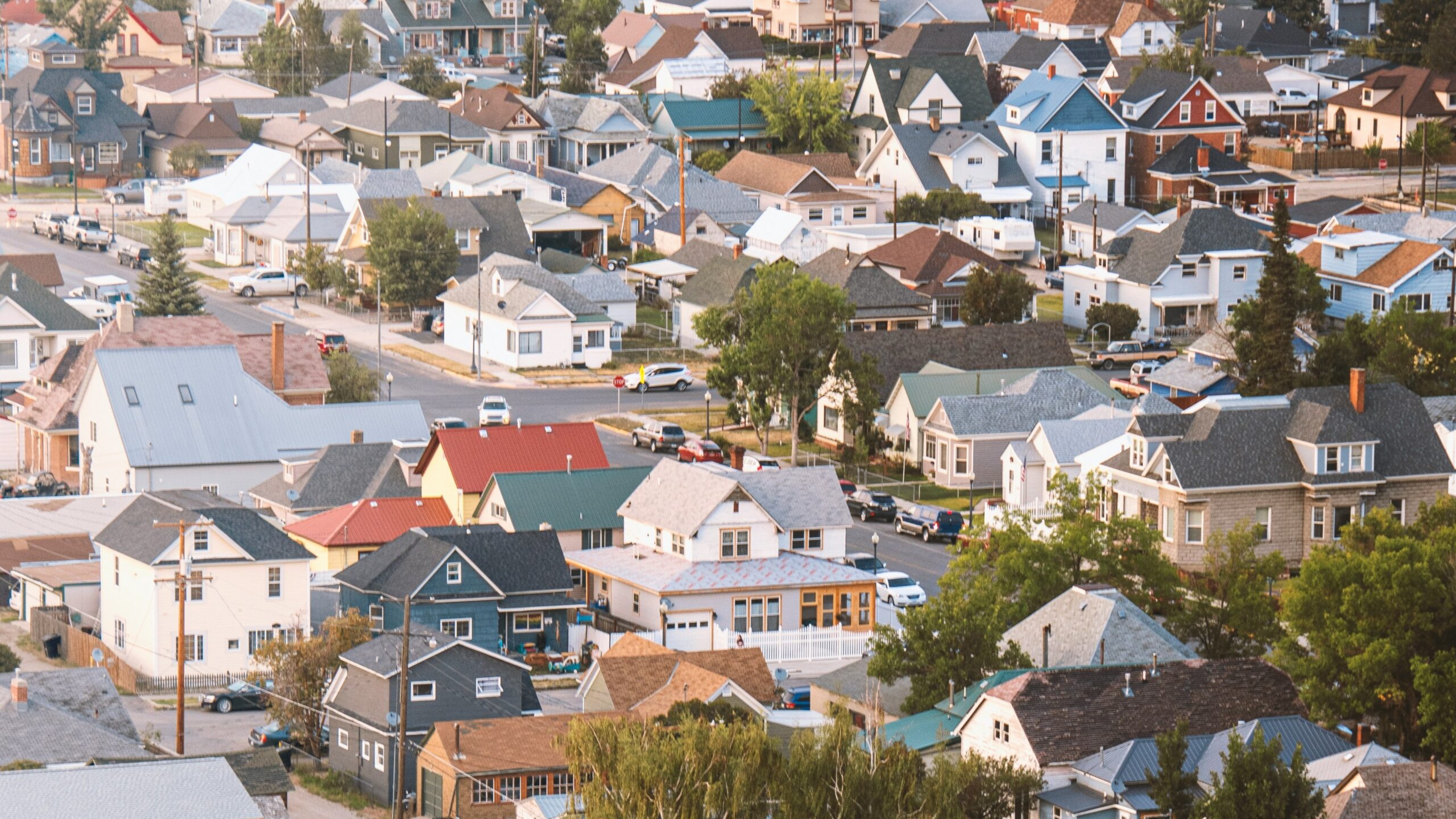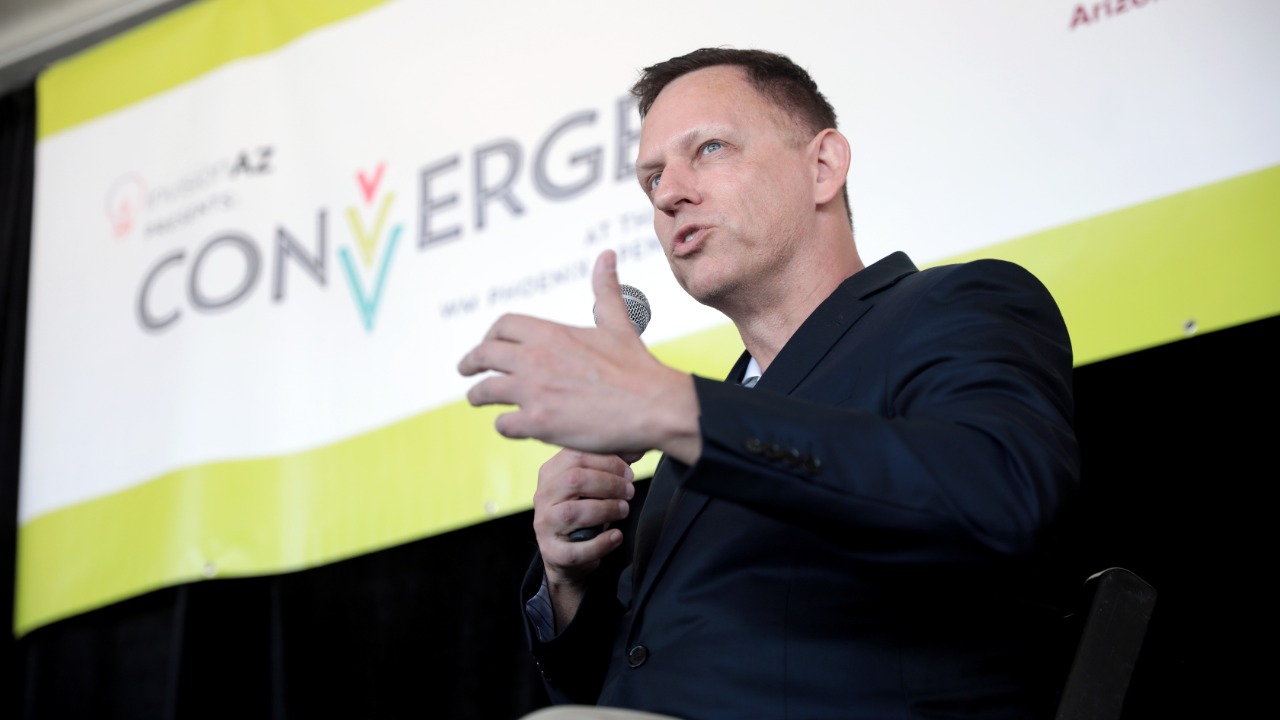
Peter Thiel is not the first to warn that young Americans are being locked out of homeownership, but his latest prediction is unusually stark. He argues that the United States is heading toward a real estate shock that will punish Gen Z and the lower middle class while older owners, especially boomers, walk away richer. I see his argument as less a forecast of a single crash and more a diagnosis of a system that has already been quietly redistributing wealth through housing for years.
The housing market’s “broken math” and why Gen Z cannot catch up
Thiel’s starting point is what he calls The Housing Market, Broken Math, a simple but brutal equation that explains why younger buyers feel permanently behind. When a city’s population rises modestly, he notes that a 10 percent increase in residents can translate into a 50% jump in home prices, a gap that wages and savings accounts cannot realistically close for people in their twenties and early thirties. That kind of compounding effect turns every year of delay into a steeper climb, especially for renters who are already devoting a large share of their income to housing costs instead of building equity.
In that framework, the problem is not just expensive coastal enclaves but a national pattern where scarcity and speculation feed on each other. Thiel has framed this as a looming real estate Catastrophe that will deliver a Massive Hit to the Lower Middle Class and Young People, arguing that even when other consumer prices wobble, the structural forces behind housing scarcity keep pushing shelter costs higher. His warning about a Looming Real Estate crisis is grounded in the idea that the numbers already back him up, and that the current trajectory will only deepen the divide between those who own property and those who do not, especially as Gen Z ages into peak household formation years, as he has argued in The Housing Market.
From affordability crisis to “catastrophe” for young Americans
Thiel has sharpened his language over time, shifting from concern about affordability to explicit talk of a real estate Catastrophe. He has warned that the United States is on track for a housing shock that will deal a massive blow to young Americans, particularly those who are not already on the property ladder. In his telling, the damage will not be evenly distributed, because people in their twenties and early thirties are entering the market at the worst possible moment, facing high prices, tight supply, and the lingering effects of years of underbuilding.
He has tied this to a broader anxiety about social stability, arguing that when housing becomes unattainable for an entire generation, the political consequences are unpredictable. Thiel has described the coming disruption as a real estate Catastrophe that will hit Americans who rent or own only one modest home, while leaving more insulated those who already hold multiple properties or inherited real estate. His warning that Peter Thiel expects a US real estate Catastrophe to land hardest on young Americans, while older owners may see their net worth swell, underscores how he sees the crisis as both economic and political, a view he has laid out in detail in his comments on Americans.
Why boomers could cash in while everyone else absorbs the pain
Thiel’s most provocative claim is that the same dynamics that crush Gen Z could hand boomers a windfall. Many older Americans bought their homes decades ago, when prices were lower and credit was easier to secure, and have since watched their equity swell as scarcity and demand pushed values higher. In a scenario where housing costs keep climbing or even spike again after a correction, those long-time owners can sell into a market where younger buyers have little choice but to stretch their finances or pool family resources just to get a foothold.
He has suggested that this imbalance is not accidental but the predictable outcome of policy choices that favored asset owners over wage earners. Thiel has invoked the Georgist tradition, noting that the basic Georgist obsession was real estate and warning that if policymakers are not really careful, they risk creating runaway real estate dynamics that reward those who already own land while trapping everyone else. In that context, his argument that boomers might get a windfall from a real estate Catastrophe is less about timing a crash and more about how the tax code, zoning rules, and credit markets have combined to protect incumbent owners, a point he has linked to his discussion of Georgist ideas.
“Proletarianizing” the young: zoning, politics, and the risk of backlash
For Thiel, the housing story is not just about prices, it is about class formation. He has warned that if policymakers effectively proletarianize the young people by making it nearly impossible for them to own homes, they should not be surprised when those same young people turn against the existing economic order. In his view, strict zoning laws and other local barriers to building new housing are central culprits, because they lock in scarcity and keep newcomers from buying into neighborhoods where jobs and amenities are concentrated.
He has expanded on those concerns in an interview with the Free Press that was published on a Friday, arguing that younger Americans are having an extremely hard time buying homes and that this experience is shaping their attitudes toward capitalism and property rights. Thiel’s warning is that a generation that feels permanently shut out of ownership may be more open to radical political experiments, from aggressive rent controls to wealth taxes on property, especially if they see boomers and other older owners as having benefited from a rigged game. His comments about strict zoning and the risk of proletarianizing the young people were laid out in detail in his conversation with the Free Press.
What Thiel’s warning misses and what policymakers can still change
Thiel’s diagnosis of a looming real estate Catastrophe is rooted in real structural pressures, but it is not the only possible future. Housing markets are shaped by policy, and the same governments that tightened zoning and favored mortgage debt can also loosen rules, encourage denser building, and experiment with land value taxation that reflects some of the Georgist concerns he cites. If cities and states move aggressively to permit more multifamily construction near transit, for example, the broken math he describes could start to shift, even if it does not fully reverse the gains that boomers have already banked.
I also see a risk in treating Gen Z as passive victims of an inevitable crash. Younger Americans are already reshaping housing through choices like co-living, long term renting in professionally managed buildings, and moving to smaller metros where the 50% price spikes tied to a 10 percent population bump have not yet taken hold. Thiel’s own warning that if you proletarianize the young people, you should not be surprised when they try to blow the system up, cuts both ways, because it implies that political and market responses are still in play. His comments about that risk, including his remark that if you push young people too far they may decide to blow the system up, were underscored in his follow up remarks linked through the Nov interview, and they serve as a reminder that the real estate future he sketches is a warning, not a fixed destiny.
More From TheDailyOverview
*This article was researched with the help of AI, with human editors creating the final content.

Elias Broderick specializes in residential and commercial real estate, with a focus on market cycles, property fundamentals, and investment strategy. His writing translates complex housing and development trends into clear insights for both new and experienced investors. At The Daily Overview, Elias explores how real estate fits into long-term wealth planning.