The SECURE 2.0 Act introduces new IRS retirement rules that could significantly impact homeowners’ nest eggs, potentially altering financial planning for many. These changes, highlighted in reports from Realtor.com and SFGate, are pivotal for understanding future retirement landscapes for homeowners.
Overview of the SECURE 2.0 Act

The SECURE 2.0 Act represents a significant legislative update aimed at overhauling retirement savings rules in the United States. This act builds upon its predecessor, the original SECURE Act, by introducing a series of enhancements designed to improve retirement security. According to Realtor.com, the Act seeks to address the evolving needs of retirees by making retirement savings more accessible and flexible.
Among the key components of the SECURE 2.0 Act are changes to required minimum distributions (RMDs) and retirement account contributions. These adjustments are intended to provide retirees with greater control over their savings and to encourage more robust retirement planning. As noted by SFGate, these changes could have far-reaching implications for how individuals manage their retirement funds, potentially altering the timing and strategy of withdrawals.
Another significant aspect of the SECURE 2.0 Act is its focus on expanding access to retirement plans for small business employees. By offering tax incentives for small businesses to establish retirement plans, the Act aims to increase participation rates among workers who previously lacked access to employer-sponsored retirement savings options. This initiative is expected to broaden the retirement savings base and enhance financial security for a larger segment of the workforce, as noted by Realtor.com.
Impact on Homeowners’ Retirement Savings

Homeowners may experience significant shifts in their retirement timelines and savings strategies due to the new IRS rules under the SECURE 2.0 Act. The adjustments to RMDs, for instance, could influence when and how homeowners choose to tap into their retirement savings. As highlighted by Realtor.com, these changes might prompt homeowners to reassess their financial plans, particularly in terms of how they leverage their property assets as part of their retirement strategy.
The potential impact on homeowners extends beyond mere timing adjustments. The new rules could also affect how properties are used as financial assets for retirement. According to SFGate, homeowners might need to consider alternative strategies for utilizing their home equity, such as reverse mortgages or downsizing, to align with the updated retirement landscape.
Furthermore, the SECURE 2.0 Act’s provisions may encourage homeowners to rethink their approach to retirement savings by integrating their real estate assets more strategically. For instance, the Act’s emphasis on flexible withdrawal options could lead homeowners to consider how their property investments can complement traditional retirement accounts. As highlighted by SFGate, leveraging home equity through refinancing or home equity lines of credit might become a more attractive option for those looking to maximize their retirement funds.
Key Changes in IRS Retirement Rules
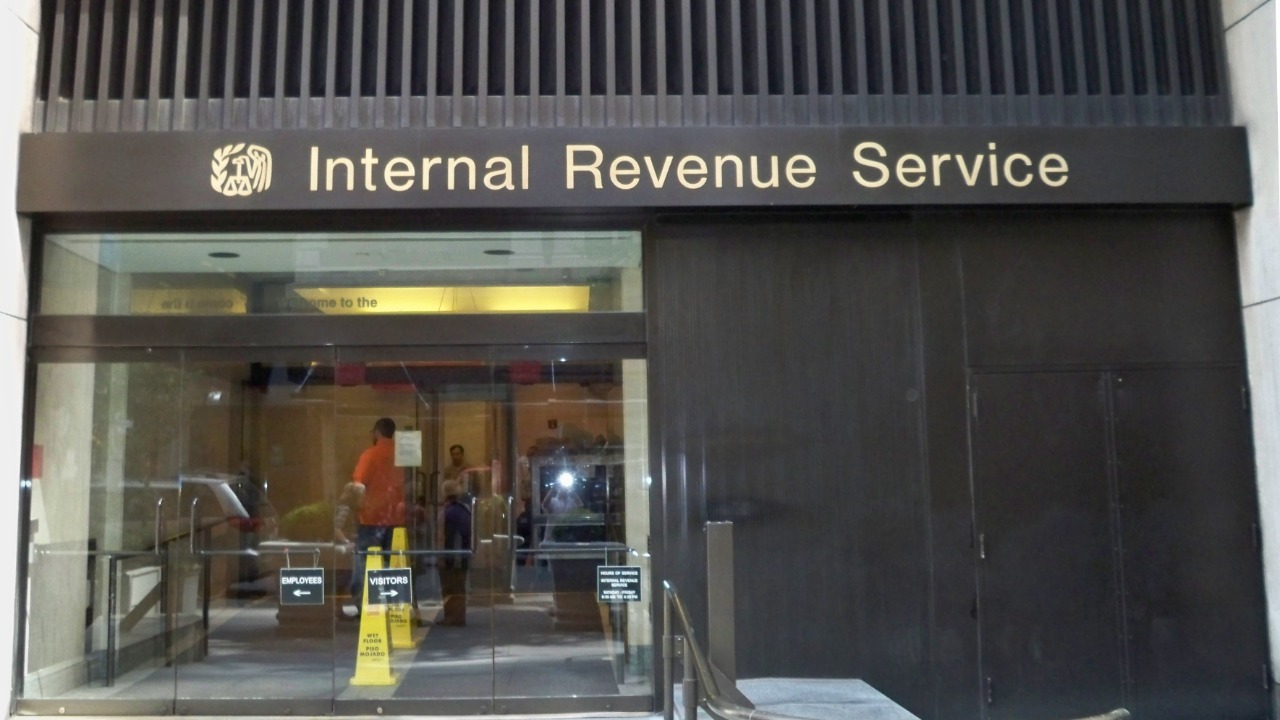
The SECURE 2.0 Act introduces several key changes to IRS retirement rules, with adjustments to the required minimum distribution (RMD) age and penalties being central to these updates. As reported by SFGate, the Act raises the age at which retirees must begin taking RMDs, allowing individuals to keep their savings invested for a longer period. This change is designed to accommodate longer life expectancies and provide retirees with more flexibility in managing their funds.
In addition to changes in RMDs, the SECURE 2.0 Act introduces new provisions that could influence how retirement accounts are managed and accessed. According to Realtor.com, these provisions include adjustments to contribution limits and catch-up contributions, which aim to enhance the ability of individuals to save more effectively for retirement. These changes are expected to provide greater opportunities for individuals to bolster their retirement savings, particularly for those nearing retirement age.
Additionally, the SECURE 2.0 Act introduces automatic enrollment features for new retirement plans, which could significantly boost participation rates. By requiring employers to automatically enroll eligible employees into retirement plans, the Act aims to overcome inertia and encourage more consistent saving behaviors. This change, as reported by Realtor.com, is expected to lead to higher overall savings rates and better financial preparedness for retirement.
Potential Challenges and Opportunities

While the SECURE 2.0 Act offers several benefits, homeowners may face challenges in adapting their financial plans to align with these changes. As noted by Realtor.com, the complexity of the new rules may require homeowners to seek professional financial advice to navigate the adjustments effectively. This could involve reevaluating existing retirement strategies and making necessary adjustments to ensure alignment with the updated regulations.
Conversely, the SECURE 2.0 Act also presents opportunities for optimizing retirement savings and investments. According to SFGate, the increased flexibility in managing retirement accounts could enable homeowners to explore new investment options and strategies. By taking advantage of the updated rules, homeowners may be able to enhance their retirement savings and achieve greater financial security in their later years.
Moreover, the Act’s provisions for increased catch-up contributions for individuals aged 60 and older present a unique opportunity for homeowners nearing retirement. This change allows older workers to significantly boost their retirement savings in the final years of their careers, potentially offsetting earlier shortfalls. As noted by SFGate, these enhanced savings opportunities could be particularly beneficial for those who have not yet maximized their retirement contributions.
What Homeowners Should Consider Moving Forward

As the SECURE 2.0 Act brings about significant changes to retirement planning, it is crucial for homeowners to stay informed and possibly seek financial advice to navigate these updates effectively. According to Realtor.com, understanding the nuances of the new rules and how they apply to individual circumstances is essential for making informed decisions about retirement savings and investments.
Evaluating current retirement plans in light of the SECURE 2.0 Act can help homeowners make informed decisions about their financial future. As highlighted by SFGate, taking proactive steps to adjust retirement strategies in response to the new regulations can provide homeowners with greater confidence and security as they approach retirement. By staying informed and seeking professional guidance, homeowners can better position themselves to take advantage of the opportunities presented by the SECURE 2.0 Act.

Julian Harrow specializes in taxation, IRS rules, and compliance strategy. His work helps readers navigate complex tax codes, deadlines, and reporting requirements while identifying opportunities for efficiency and risk reduction. At The Daily Overview, Julian breaks down tax-related topics with precision and clarity, making a traditionally dense subject easier to understand.

