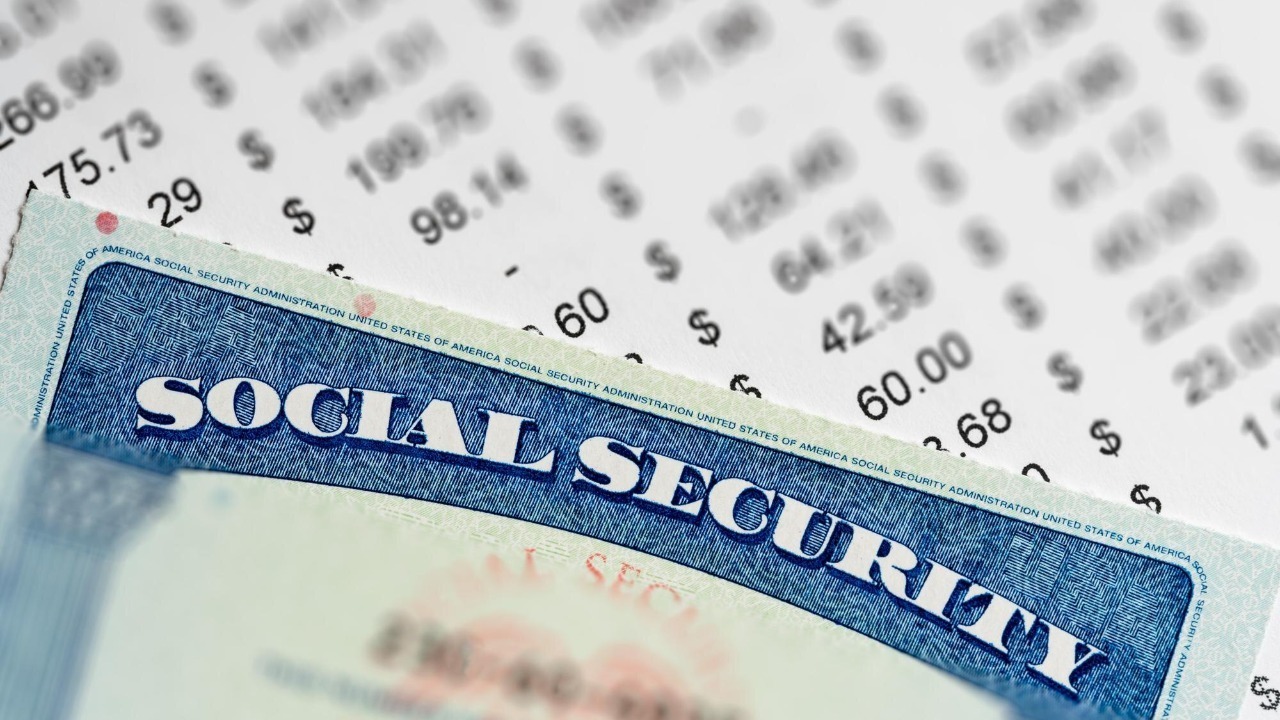
Social Security payments are entering a complicated new phase, with fresh cost-of-living increases, tighter identity checks and a broad federal push toward electronic deposits all converging at once. The headline change for beneficiaries is a new payment landscape that favors direct deposit and prepaid cards, while still carving out narrow exceptions for people who cannot safely or practically use digital options. I want to walk through what is actually changing now, what remains unverified based on available sources, and how retirees and disabled workers can protect their monthly income.
What is really “new” about Social Security payments in 2026
The most immediate shift for beneficiaries is not the end of paper checks on a specific day, but a cluster of rules that make electronic delivery the default and, in many cases, a requirement. Federal guidance describes a transition in which Social Security and Supplemental Security Income payments are increasingly routed through direct deposit or prepaid cards, with paper checks treated as a legacy option that is being phased down across federal programs. That broader transition is described as affecting all federal disbursements, including Social Security checks, but the precise end date for every last paper benefit is not fully documented in the sources I can verify, so any claim that checks stop on a particular day is unverified based on available sources.
At the same time, the payment rules are changing in subtler ways that matter just as much for household budgets. The Social Security Administration has announced that nearly 71 m beneficiaries will see a 2.8 percent cost-of-living adjustment, and that increase flows directly into the monthly amounts that land in bank accounts or on cards. Separate guidance explains that Social Security benefits and Supplemental Security Income payments for 75 m Amer households are affected by this COLA, which means the “new payment rule” is as much about how much arrives as how it arrives.
Electronic delivery becomes the norm, with narrow carve-outs
For anyone applying now, the baseline rule is clear: if you are applying for Social Security benefits or SSI, you must elect to receive your payment electronically when you enroll. The agency spells out that new claimants are expected to choose direct deposit to a bank or credit union, or a Treasury-sponsored prepaid card, rather than a paper check, and it directs people who need help to a dedicated phone line for Social Security and SSI questions. That requirement is part of a broader federal modernization push that also affects how taxpayers send money to the government, with separate IRS guidance explaining that, beginning January 1, 2026, the Beginning January IRS is requiring most taxpayers to make federal estimated tax payments electronically.
Advocacy materials describe how this shift is being implemented across benefit programs, noting that with the new mandate, all federal benefit payments, including Social Security and Supplemental Security Income (With the SSI), must now be made electronically. A separate credit union notice reinforces that after Sept. 30, paper checks will stop for most federal payments and that you will need direct deposit to keep receiving your benefits, stressing that all payments must be routed electronically to comply with Treasury rules that take effect After Sept. However, local reporting also notes that many Social Security beneficiaries already use the electronic payment system and that, starting in October, recipients had the option to use a Direct Express Debit Mastercard to get payments, which shows how entrenched digital delivery already is for Many Social Security households.
Identity checks, application hurdles and rare exceptions
As payments move online, the Social Security Administration is also tightening identity verification, which affects how people change bank details or mailing addresses. New rules require stronger proof of identity for those who receive payment via paper checks and want to change their mailing address, and they also apply to new applications for Retirement, Survivors or Auxiliary benefits, including Spouse and Chi categories, with limited exceptions for urgent situations such as terminal cases or prisoner pre-release scenarios described in updated Retirement guidance. Another report notes that those who receive payment via paper checks will need to prove their identity before changing their mailing address, with the administration emphasizing that these steps are meant to reduce fraud in sensitive Mar cases.
In practice, that means fewer quick fixes at the local field office and more reliance on online tools and scheduled appointments. One advocacy piece bluntly states that simply walking into your local office for immediate services is not an option anymore, with only a few exceptions for urgent cases for individuals with terminal conditions, underscoring how the agency is steering people toward remote channels Simply. To navigate that shift, beneficiaries are encouraged to create and use an online account, where they can review benefits, update contact information and, in many cases, manage direct deposit settings through the my Social Security portal instead of relying on paper forms or in-person visits.
How COLA, earnings limits and taxes reshape monthly payments
Beyond the delivery method, the 2026 rules change how much lands in each payment, and those formulas are now locked in. The Social Security Administration has confirmed that beneficiaries will receive a 2.8 percent cost-of-living adjustment, explaining that the increase is based on the Consumer Price Index for Urban Wage Earners and Clerical Workers and that the adjustment is intended to preserve purchasing power for retirees and disabled workers, as detailed in a 2.8 percent analysis. Separate coverage notes that only a 2.8% COLA will apply in 2026, and that while the increase is slightly higher than some recent years, it may still lag behind real-world costs for housing and health care, a tension highlighted in a broader look at how The Social Security COLA affects retirees and While it may help some, it will not erase inflation pressures for Jan households.
Official fact sheets on Cost of Living Adjustment (COLA) Information for 2026 explain that Social Security and Supplemental Security Income (SSI) benefits for 75 m people are affected, and they also spell out how the maximum amount of earnings subject to Social Security payroll tax is changing. The 2026 SOCIAL SECURITY CHANGES document lists Social Security Disability Thresholds and other key metrics, showing how the earnings test and disability rules interact with benefit payments under the new SOCIAL SECURITY CHANGES. A companion note clarifies that the Maximum Taxable Earnings figure applies only to earnings up to a specified limit and that workers who earn above that cap do not pay additional Social Security tax on income beyond the threshold, a detail spelled out in the section labeled Maximum Taxable Earnings and summarized with the metric 202 in the table.
Working, state rules and timing quirks that affect your check
For people who keep working while collecting benefits, the payment rules are also shifting at the margins. One analysis of 2026 changes notes that Social Security applies an earnings test that can temporarily reduce benefits for those who claim before full retirement age, and it explains how the 12.4 percent payroll tax on most workers’ earnings interacts with the earnings test and the difference between $24,480 and $40,000 in annual income, a structure described in detail under the heading Paying Social Security Paying Social Security. Another section of that same reporting walks through six big Social Security changes for 2026, including how the COLA increase, higher Medicare costs and a new tax break will affect beneficiaries’ bottom lines, and it highlights that these adjustments arrive in Oct and are closely tied to the annual COLA announcement that shapes Oct planning.
State-level rules can also change how much of a Social Security payment effectively reaches a household. In Illinois, for example, IL SB1282 mandates that on January 1, 2026, and thereafter, the household income eligibility limits for certain programs must be modified to reflect the annual increase in Social Security and Supplemental Security Income benefits, which means that higher COLA payments could push some households over or under state benefit thresholds tied to Social Security and Supplemental Security Income benefits. Meanwhile, federal rules about when checks are issued can create odd timing quirks, such as situations where some Social Security recipients receive two checks in December and in other months when the first-of-the-month payment would otherwise fall on a federal holiday or weekend, a pattern that has led to double payments in December and other months throughout the year for certain SSI recipients, as described in a report that begins with the line Some Social Security recipients may receive two checks in Dec.
What beneficiaries should do now
Given the mix of verified changes and unverified claims circulating online, the safest move for beneficiaries is to focus on what the Social Security Administration and related agencies have actually documented. Official materials explain that in January 2026, several changes to Social Security will take effect, impacting everything from credits and taxes to benefit formulas and full retirement age rules, and they encourage people to review how the Full Retirement Age (FRA) interacts with claiming decisions under the new In January framework. Separate SSA publications remind readers that, in 2026, the agency considers a person younger than full retirement age if they are under age 67 for people born in 1960 and later, a threshold that shapes how the earnings test and special monthly rule apply to those who keep working while collecting benefits, as spelled out in the booklet on what you need to know when you get retirement or survivors benefits and the special monthly rule that applies before age 67.
Beneficiaries should also be cautious about viral claims that “Social Security Checks Will Be Gone by 2026,” which describe how the Social Security Administration (SSA) is moving Social Security and Supplemental Security Income (SSI) beneficiaries toward electronic payments but do not document a hard cutoff date for all paper checks, a gap that leaves some of those sweeping predictions unverified based on available sources even as they highlight the direction of travel for Social Security Checks Will Be Gone. To stay grounded in confirmed information, I recommend using the official online portal, where you can monitor your record, check payment amounts and review notices through my Social Security, and pairing that with careful attention to how broader federal payment reforms, such as the IRS shift away from paper tax payments described in a video about how the IRS is ending paper tax payments Beginning September, intersect with your own finances as outlined in the IRS explainer and the separate SSA notice that, effective September 30, in accordance with Executive Order 14247 on Modernizing Payments To and From America Bank Accou, the agency is working with advocates to answer questions about the evolving Sep rules.
Finally, it is worth remembering that Social Security sits inside a larger web of tax and benefit policies that are also shifting. Coverage of 2026 benefit amounts notes a New senior “bonus” that aims to curb taxes on benefits, explaining that Social Security benefits are still subject to federal taxes depending on income and that the Brookings Tax Policy Center estimated how many retirees might benefit from the change, a reminder that payment rules are about net income as much as gross Nov checks. Other reporting traces how there have already been changes like increasing percentages and raising earnings test limits for those collecting Socia benefits, and that additional adjustments will affect employees who have yet to hit certain thresholds, underscoring that the payment landscape is evolving on multiple fronts at once There. For now, the verified bottom line is that electronic delivery is becoming the standard, COLA and earnings rules are reshaping amounts, and beneficiaries need to rely on official channels and detailed guidance rather than unverified rumors about abrupt cutoffs.
Supporting sources: Social Security to end paper checks, shifts to electronic payments starting S….
More From The Daily Overview

Nathaniel Cross focuses on retirement planning, employer benefits, and long-term income security. His writing covers pensions, social programs, investment vehicles, and strategies designed to protect financial independence later in life. At The Daily Overview, Nathaniel provides practical insight to help readers plan with confidence and foresight.