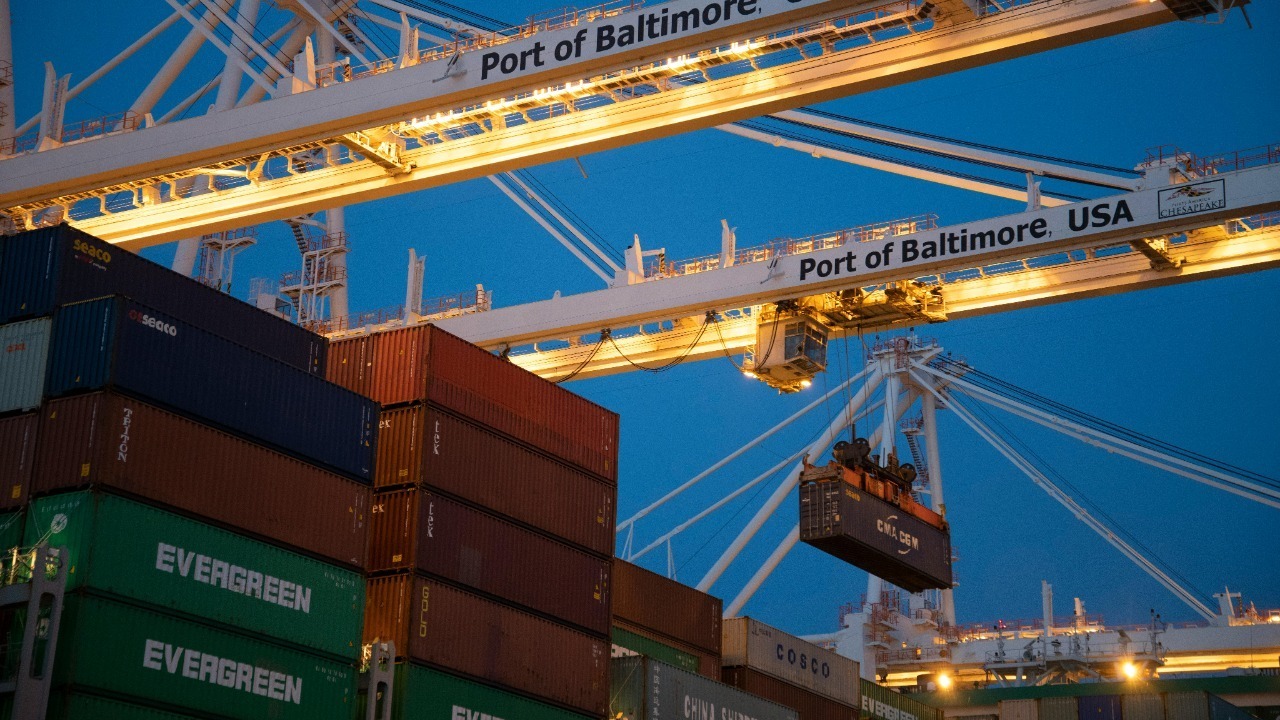
Recent changes in U.S. trade policy have put an end to the tariff exemption for low-value imports, a move expected to generate up to $10 billion annually. This decision has sparked a debate among economists, business owners, and consumers about the potential economic impact and the broader implications for international trade. The policy shift could transform the landscape of U.S. imports and exports, raising questions about the balance between revenue generation and consumer costs.
Impact on the Economy

By eliminating the de minimis exemption, the U.S. government anticipates a significant boost in revenue, estimated at $10 billion annually. This influx of funds is seen as a way to address budget deficits and invest in infrastructure and other public services. Proponents argue that this financial injection could support economic growth by funding initiatives that enhance the country’s competitiveness on the global stage.
However, the policy’s impact on domestic production and job creation is a double-edged sword. On one hand, higher tariffs on imports could lead to increased demand for locally manufactured goods, potentially boosting employment in certain sectors. On the other hand, the cost of raw materials and components might rise, making it harder for U.S. manufacturers to compete with foreign companies. This could negate some of the anticipated benefits of job creation and economic growth.
Inflation remains a concern as well. The new tariffs could contribute to rising prices for consumer goods, adding to existing inflationary pressures in the economy. Consumers might find themselves paying more for everyday items, from electronics to clothing, as businesses pass on the additional costs. This could reduce disposable income and dampen consumer spending, which is a critical driver of economic growth.
Effects on Businesses and Consumers

For businesses, especially those reliant on low-cost imports, the end of the de minimis exemption could mean higher operational expenses. Importers may face increased costs as they adjust to the new tariff regime, potentially leading to price hikes for the goods they supply. Companies might need to reevaluate their pricing strategies to maintain profit margins, which could affect their competitiveness in the market.
Consumers are likely to experience the ripple effects of these changes. As businesses pass on the higher costs, prices for products ranging from household goods to technology could rise. This will impact household budgets, forcing consumers to make tough choices about their spending. The increased prices could disproportionately affect lower-income families, who spend a larger share of their income on essential goods.
Small businesses may find themselves in a particularly precarious position. Many rely on affordable imported goods to remain competitive, and the new tariffs could squeeze their profit margins. These businesses may need to explore alternative suppliers or innovate their product offerings to stay afloat. The increased financial pressure could lead to closures or layoffs, further complicating the economic landscape.
Global Trade Relations

The removal of the de minimis exemption could strain the United States’ trade relations with key international partners. Countries that previously benefited from the exemption might view the policy change as a protectionist move, potentially leading to heightened trade tensions. This could complicate negotiations on other trade agreements and lead to a more fragmented global trade environment.
There is also the risk of retaliatory measures from affected countries, which could impose their own tariffs on U.S. exports. Such actions could hurt American exporters, particularly those in agriculture and manufacturing, who rely heavily on international markets. The resulting trade wars could disrupt supply chains, increase costs, and create uncertainty for businesses operating in the global market.
In the long term, the shift away from the de minimis exemption might signal a broader move towards protectionism. This could have significant implications for global supply chains, as companies reassess their production and sourcing strategies. The interconnected nature of modern economies means that changes in one region can have far-reaching effects, potentially slowing global economic growth.
Policy and Political Reactions

The political response to the new tariffs has been mixed, with opinions divided along partisan lines. Supporters argue that the policy will protect American jobs and boost domestic industries, while opponents warn of the potential harm to consumers and international relations. This debate reflects broader tensions between protectionist and free trade ideologies within the U.S. political landscape.
Industry groups and lobbyists have been vocal in their responses, seeking to influence public opinion and legislative action. Some have advocated for exemptions or adjustments to the tariffs, arguing that they unfairly burden certain sectors. The lobbying efforts highlight the complex interplay between policy, economics, and business interests in shaping trade policy.
Looking ahead, the future of trade policy in the United States remains uncertain. As economic conditions evolve, policymakers may need to adjust their approaches to balance domestic interests with global realities. The outcome of these debates could have lasting implications for the U.S. economy and its role in the international community.
Consumer and Business Adaptation Strategies

In response to the new tariff regime, businesses might explore a range of strategies to mitigate the impact. Diversifying supply sources could reduce reliance on imports subject to higher tariffs, while increasing domestic production might offer a way to maintain competitiveness. Companies could also invest in technology and innovation to improve efficiency and offset cost increases.
Consumers, too, may adapt their behavior in light of rising prices. Shifts in purchasing habits could see a greater emphasis on local products, as consumers seek to support domestic industries and avoid higher costs associated with imports. This trend could drive demand for locally sourced goods, presenting new opportunities for American producers.
Ultimately, the changes in trade policy could spur innovation and efficiency across the economy. As businesses and consumers navigate the evolving landscape, those that successfully adapt may find new avenues for growth and success. The ability to innovate and remain agile will be crucial in this new era of trade dynamics.

Grant Mercer covers market dynamics, business trends, and the economic forces driving growth across industries. His analysis connects macro movements with real-world implications for investors, entrepreneurs, and professionals. Through his work at The Daily Overview, Grant helps readers understand how markets function and where opportunities may emerge.

