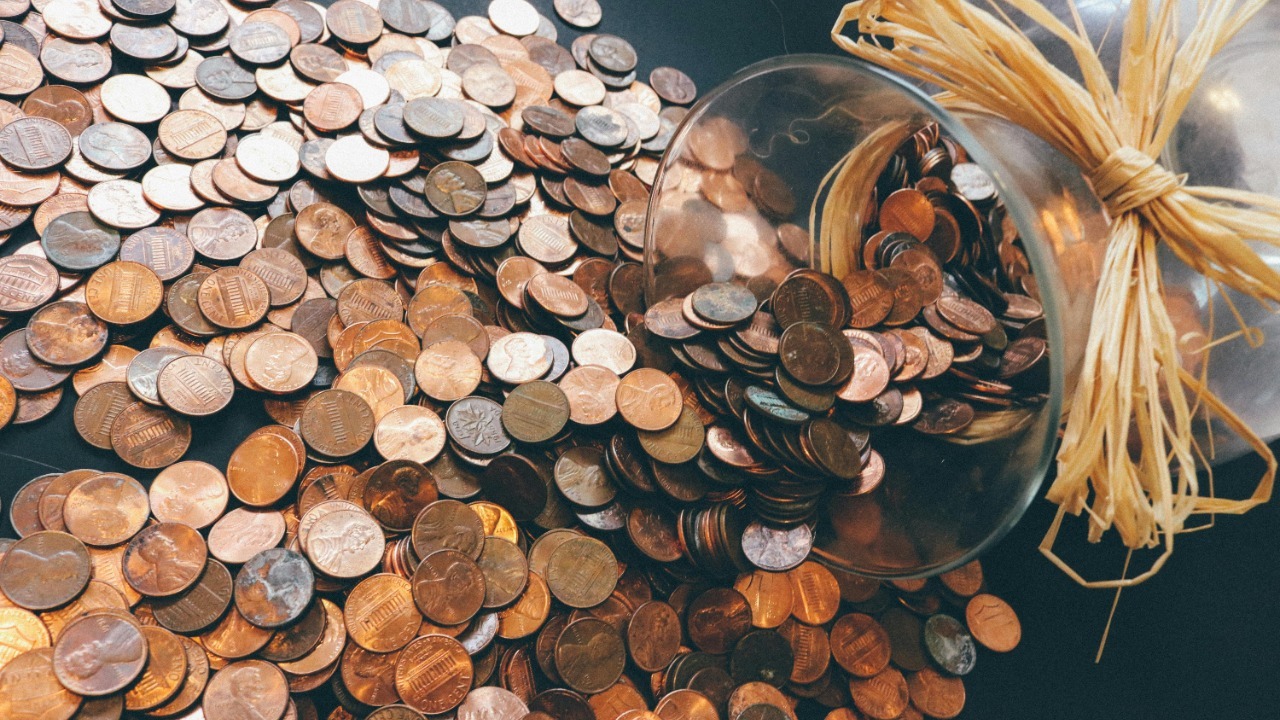
President Donald Trump has directed the U.S. Treasury to halt the minting of pennies, a decision that marks a significant shift in American currency policy. This move, aimed at phasing out the one-cent coin, impacts the estimated 114 billion pennies currently circulating in the United States. The directive was first reported on May 22, 2025, and further elaborated on May 27, 2025, highlighting the implications for both pennies and nickels, including the potential value of Lincoln wheat varieties.
The Background of the Penny Phase-Out
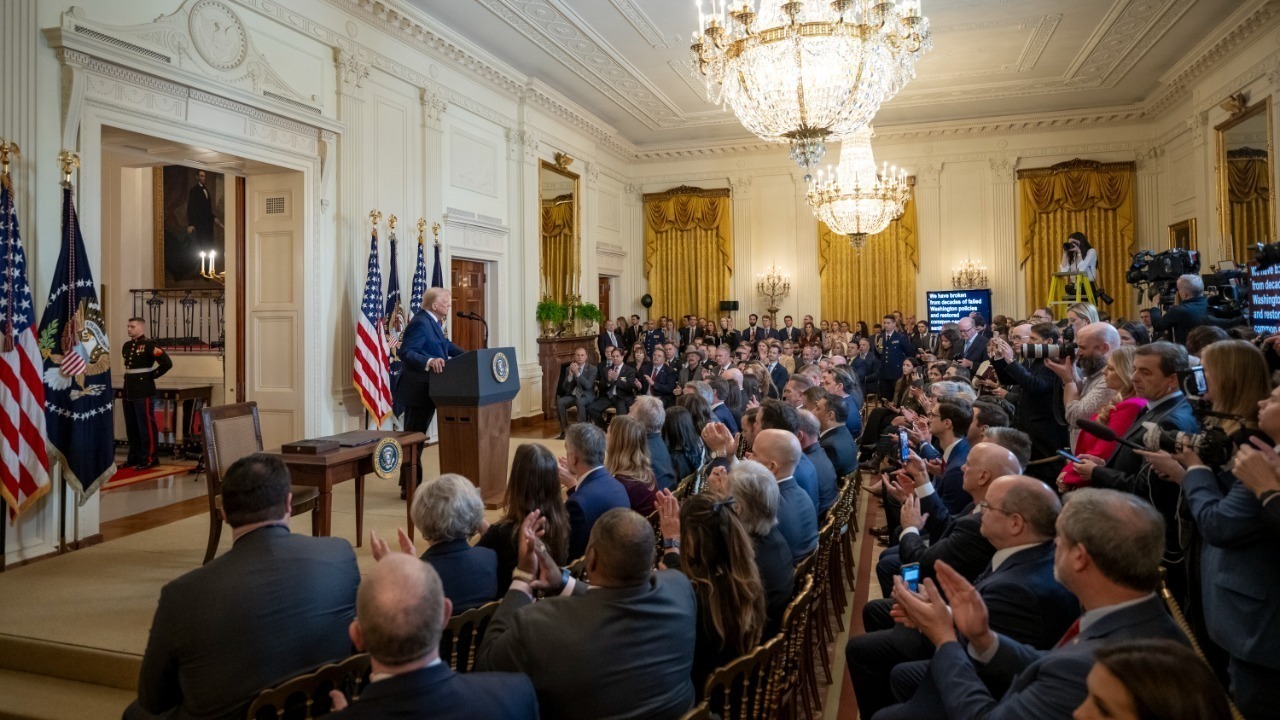
The directive from President Trump to cease penny production is primarily driven by cost-saving measures. The production cost of a penny has long exceeded its face value, prompting the Treasury to reconsider its viability. According to NBC Chicago, the decision is part of a broader strategy to streamline currency production and reduce unnecessary expenses. The U.S. Mint is now tasked with implementing this directive, which involves a gradual transition away from minting new pennies.
As the U.S. Mint moves forward with plans to eliminate the penny, it is crucial to understand the scale of this change. There are currently 114 billion pennies in circulation, a staggering number that underscores the widespread use of the coin in everyday transactions. The ABC7 report highlights the logistical challenges of managing such a vast quantity of coins as they are phased out of production.
Impact on Everyday Penny Use

The cessation of penny minting will inevitably affect how Americans handle cash transactions. With no new pennies entering circulation, consumers and businesses will need to adjust to a world where rounding to the nearest nickel becomes the norm. As reported by NBC Chicago, this change could simplify transactions but may also require a period of adjustment for those accustomed to exact change.
The Treasury has outlined plans to manage the penny’s role in commerce post-minting. According to NPR, the government is considering strategies to ensure a smooth transition, including public education campaigns and adjustments in cash handling practices. The broader economic implications extend to other low-denomination coins like nickels, which may see increased use as pennies become scarce.
For U.S. households, the phase-out of pennies could lead to changes in how small transactions are conducted. The Detroit Free Press notes that while some may welcome the simplification of cash transactions, others might be concerned about potential rounding discrepancies and their impact on pricing.
Options for Disposing of Pennies
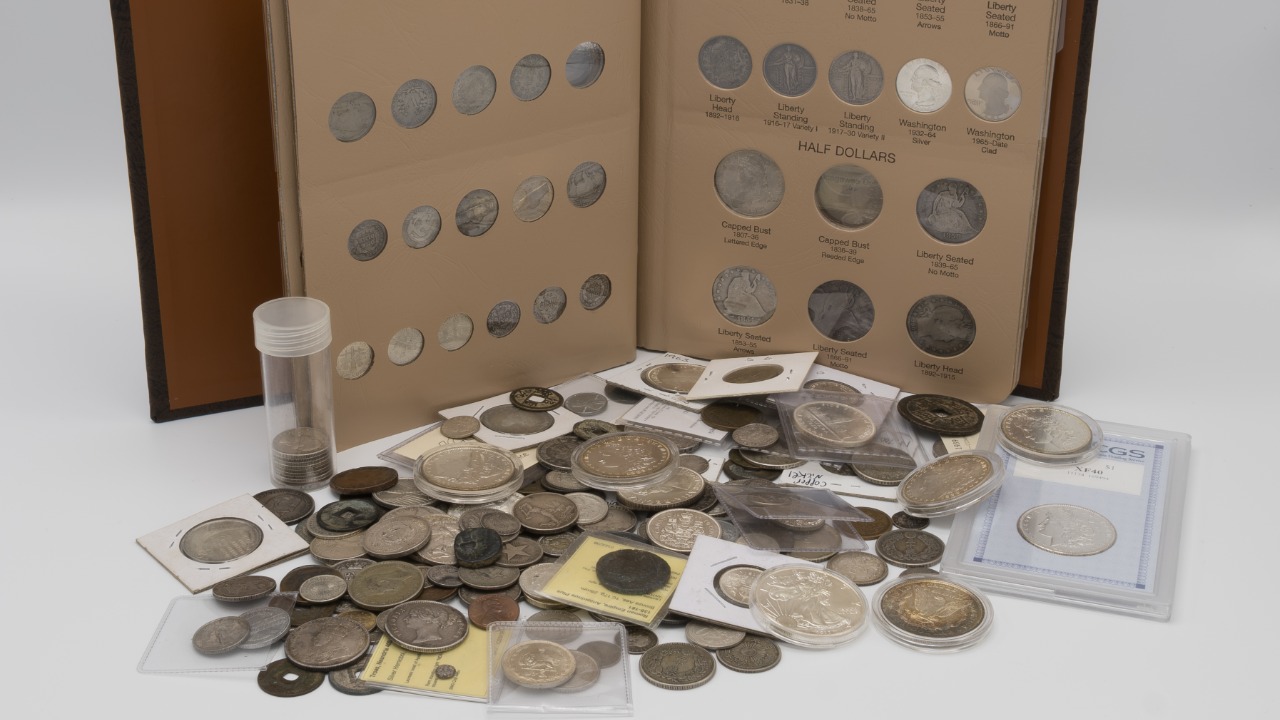
As pennies are phased out, individuals will need to consider how to handle their existing collections. One option is to redeem or deposit pennies at banks or retailers, which will continue to accept them as legal tender. ABC7 suggests that while pennies will remain in circulation for some time, proactive steps can help manage their eventual obsolescence.
The government may also introduce programs or guidelines to facilitate the transition. According to NPR, the Treasury is exploring options to encourage the public to turn in pennies, potentially through incentives or streamlined processes at financial institutions. These efforts aim to minimize disruption and ensure a smooth phase-out.
For those choosing to keep their pennies, practical advice on sorting and storing them can be invaluable. The PBS report suggests organizing pennies by year or type, which can aid in identifying potentially valuable coins and preserving them during the transition period.
Preserving Pennies as Collectibles
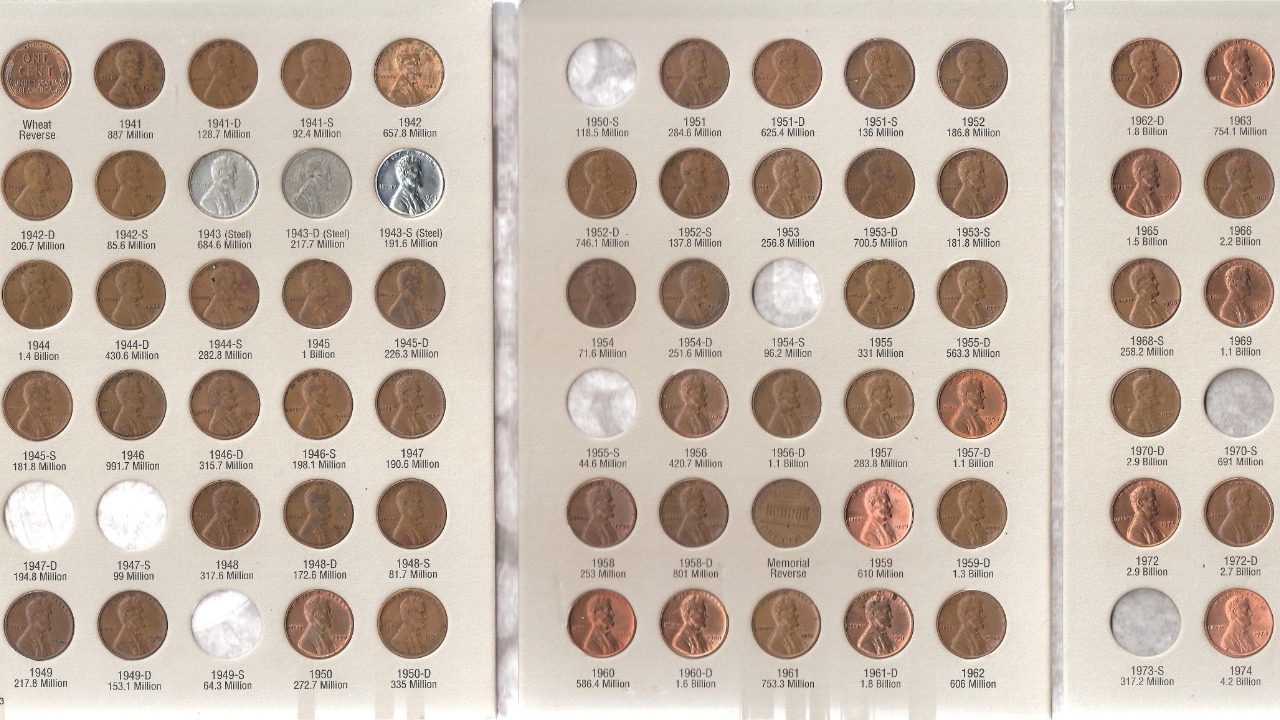
With the end of penny production, certain coins may see an increase in collectible value. Notably, Lincoln wheat pennies are already considered valuable by collectors, and their worth could rise further. The Detroit Free Press highlights the potential for these coins to become sought-after items in the numismatic community.
Identifying and appraising rare pennies amid the 114 billion in circulation can be a rewarding endeavor. ABC7 advises collectors to familiarize themselves with the characteristics of valuable pennies, such as mint marks and historical significance, to better assess their collections.
Collectors interested in preserving pennies should consider resources from the U.S. Mint on historical coin value. The PBS report suggests that proper storage and handling techniques can protect these coins from damage, ensuring they retain their value over time. As the penny becomes a relic of the past, its place in American history and culture may only grow more significant.

Cole Whitaker focuses on the fundamentals of money management, helping readers make smarter decisions around income, spending, saving, and long-term financial stability. His writing emphasizes clarity, discipline, and practical systems that work in real life. At The Daily Overview, Cole breaks down personal finance topics into straightforward guidance readers can apply immediately.